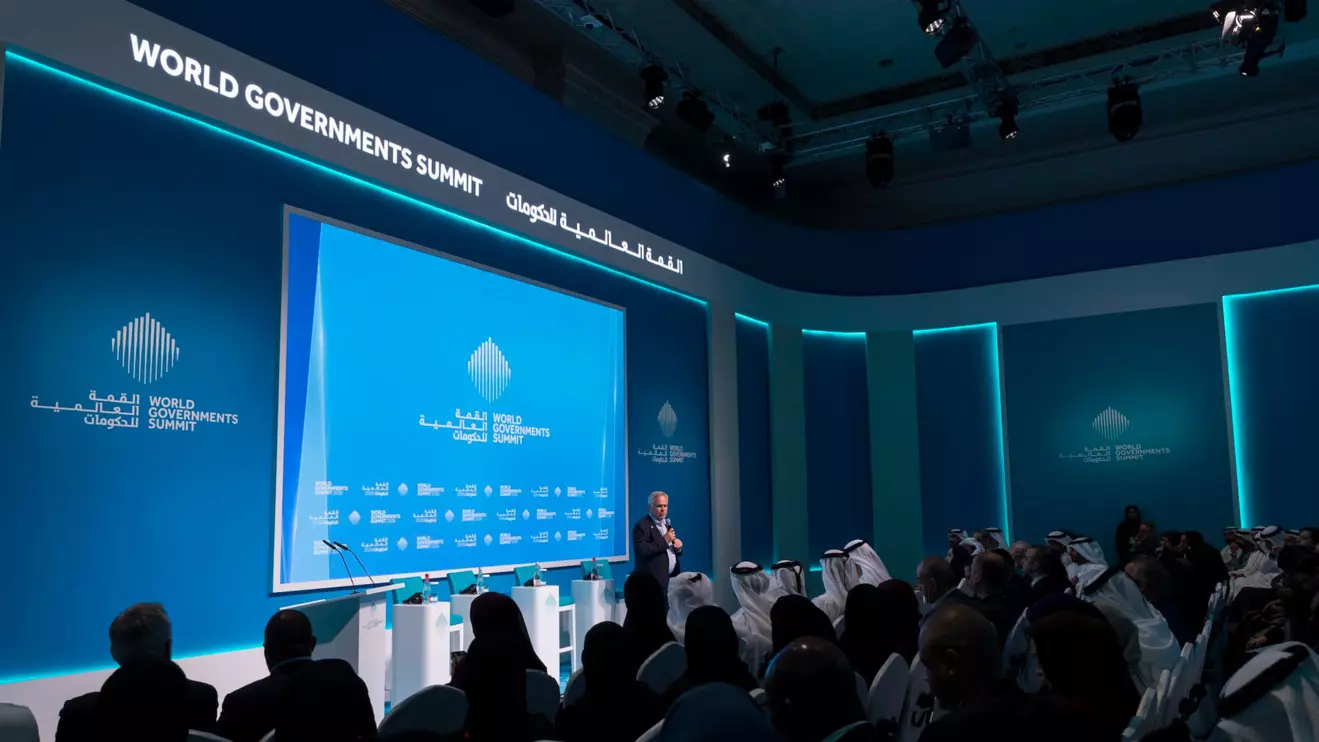
The World Governments Summit 2026 wraps up today, 5 February, in Dubai, closing another major edition of one of the world’s most influential platforms on governance and the future of public policy.
Held over several days, the summit brought together heads of state, government officials, international organizations, business leaders, academics, and innovators.
As in previous years, Dubai served as a global meeting point where decision-makers exchanged ideas on how governments can adapt to rapid technological, economic, and social change.
The 2026 edition focused on the evolving role of governments in a world shaped by digital transformation, geopolitical shifts, and climate pressure. Discussions explored how public institutions can remain agile while protecting social stability and long-term development.
Key themes included: Artificial intelligence and emerging technologies in public services, economic resilience and new growth models, climate action and sustainability, global cooperation in an increasingly fragmented world
High-level panels, closed-door ministerial meetings, and interactive sessions allowed leaders to move beyond theory and share practical experiences from their own countries.
Innovation remained central to the summit’s identity. Startups, technology pioneers, and research institutions showcased solutions designed to help governments improve efficiency, transparency, and citizen services.
From AI-driven policy tools to smart city infrastructure, the event highlighted how technology is reshaping governance in real, measurable ways.
Several future-focused reports and initiatives were also presented, offering data-driven insights into long-term global trends and policy options.
Dubai’s Role as a Global Hub
Hosting the summit once again reinforced Dubai’s position as a neutral convening space for international dialogue. The city’s infrastructure, connectivity, and ambition to lead in digital government and sustainability aligned closely with the summit’s objectives.
Beyond the conference halls, bilateral meetings and informal exchanges played a crucial role, allowing leaders to build partnerships and coordinate responses to shared challenges.
As the World Governments Summit 2026 comes to a close, its message is clear: effective governance in the coming decades will depend on collaboration, adaptability, and the responsible use of innovation.
The conversations launched in Dubai are expected to influence policy debates well beyond this week, shaping how governments prepare for an uncertain but opportunity-filled future.
The next edition will build on these discussions, continuing the summit’s mission to turn global ideas into actionable solutions for societies worldwide.