
Iraq
Six French jihadists jailed for life in Iraq
An Iraqi court on Tuesday sentenced six French nationals to life in prison and a seventh to 15 years after convicting them of membership in Islamic State, a Reuters witness inside the courtroom said.

The internationally recognized Yemeni government is preparing for what could be the largest military operation of the country’s decade-long civil war, according to the Saudi-based Gulf Research Center and multiple Arab media outlets.
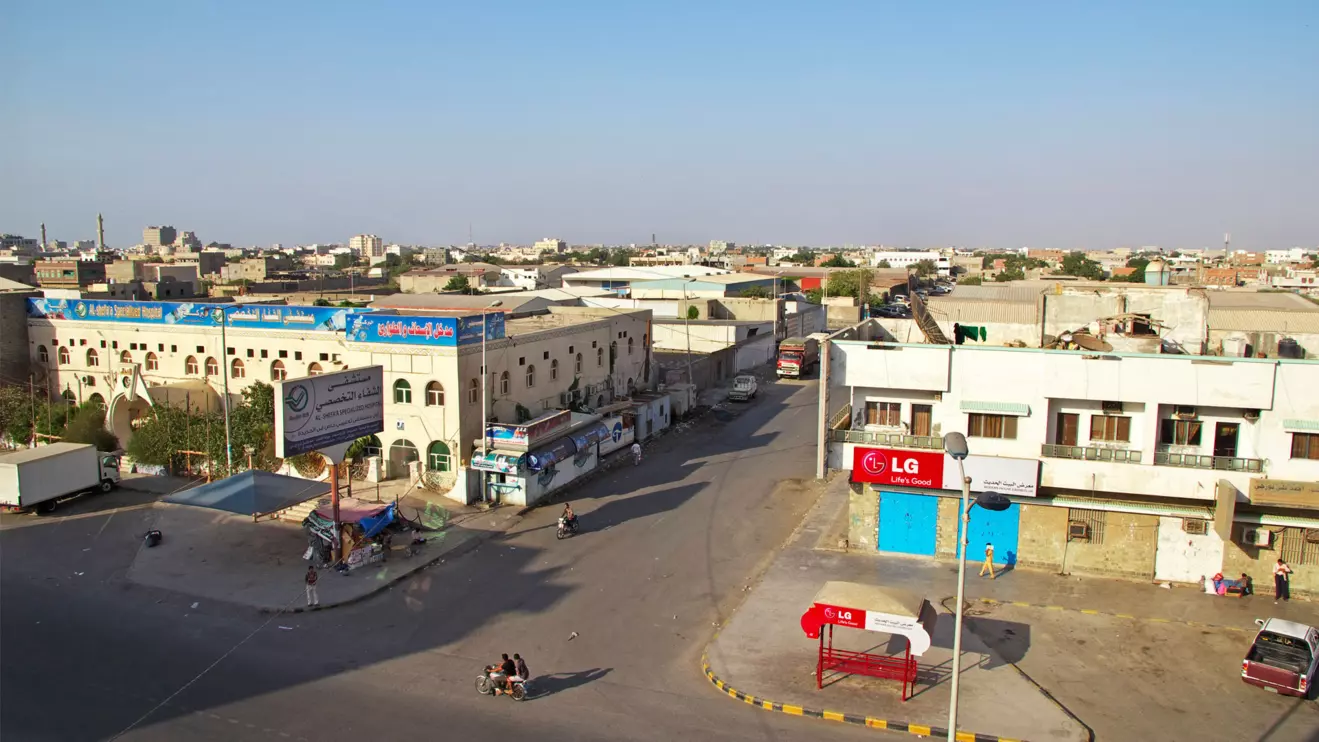
Hodeidah, Yemen © Mena Today
The internationally recognized Yemeni government is preparing for what could be the largest military operation of the country’s decade-long civil war, according to the Saudi-based Gulf Research Center and multiple Arab media outlets.
Backed by Saudi Arabia, the United Arab Emirates, and the United States, the Presidential Leadership Council (PLC) is reportedly mobilizing more than 80,000 troops in a bid to recapture the strategic port city of Hodeidah from the Houthi rebels.
Located on Yemen’s western coast, Hodeidah serves as a critical hub for both humanitarian aid and military logistics, and its loss would deal a severe blow to the Iran-aligned Houthis.
The planned offensive marks a significant escalation in the conflict, which began in 2014 when Houthi forces seized the capital, Sana’a. Since 2017, the PLC—alongside its allies in the Southern Transitional Council and the Yemeni National Resistance—has been steadily increasing its military capacity and territorial control.
If successful, the recapture of Hodeidah could isolate Houthi forces in western Yemen and set the stage for a broader campaign to retake Sana’a. However, the exact involvement of foreign allies remains unclear. While the United States and Gulf countries have long supported the PLC, their direct participation in the upcoming offensive has not been confirmed.
Still, there are signs of increasing international involvement. Reports suggest that the U.S. Air Force is conducting intelligence, surveillance, and reconnaissance (ISR) missions over Houthi-held areas.
In addition, a series of recent drone and airstrikes targeting Houthi positions may be part of a “shaping” strategy to weaken defenses ahead of a ground assault.
As preparations intensify, all eyes are on Hodeidah—long a flashpoint in Yemen’s war and now possibly the key to its next major chapter.
An Iraqi court on Tuesday sentenced six French nationals to life in prison and a seventh to 15 years after convicting them of membership in Islamic State, a Reuters witness inside the courtroom said.
As Israelis vote today in a closely fought general election, Jacques Lemoisson, head of the economic intelligence firm Gate Advisory, believes Benjamin Netanyahu’s fate will hinge less on his own party’s score than on his ability to build a coalition.
Prime Minister Benjamin Netanyahu faces a fight for political survival in Israel's election on Tuesday, with voters weighing his leadership after the 2023 Hamas-led attacks, wars in Gaza and with Iran, and Israel's deepening international isolation.

To make this website run properly and to improve your experience, we use cookies. For more detailed information, please check our Cookie Policy.
Necessary cookies enable core functionality. The website cannot function properly without these cookies, and can only be disabled by changing your browser preferences.