Diplomacy
Trump's Middle East vision is bigger than Peace. It is about building the future
President Trump understands something most diplomats refuse to acknowledge: the Middle East cannot remain a museum of old hatred.
The ceasefire agreement between Hamas and Israel, which came into effect on Sunday, includes provisions for a large-scale prisoner exchange.
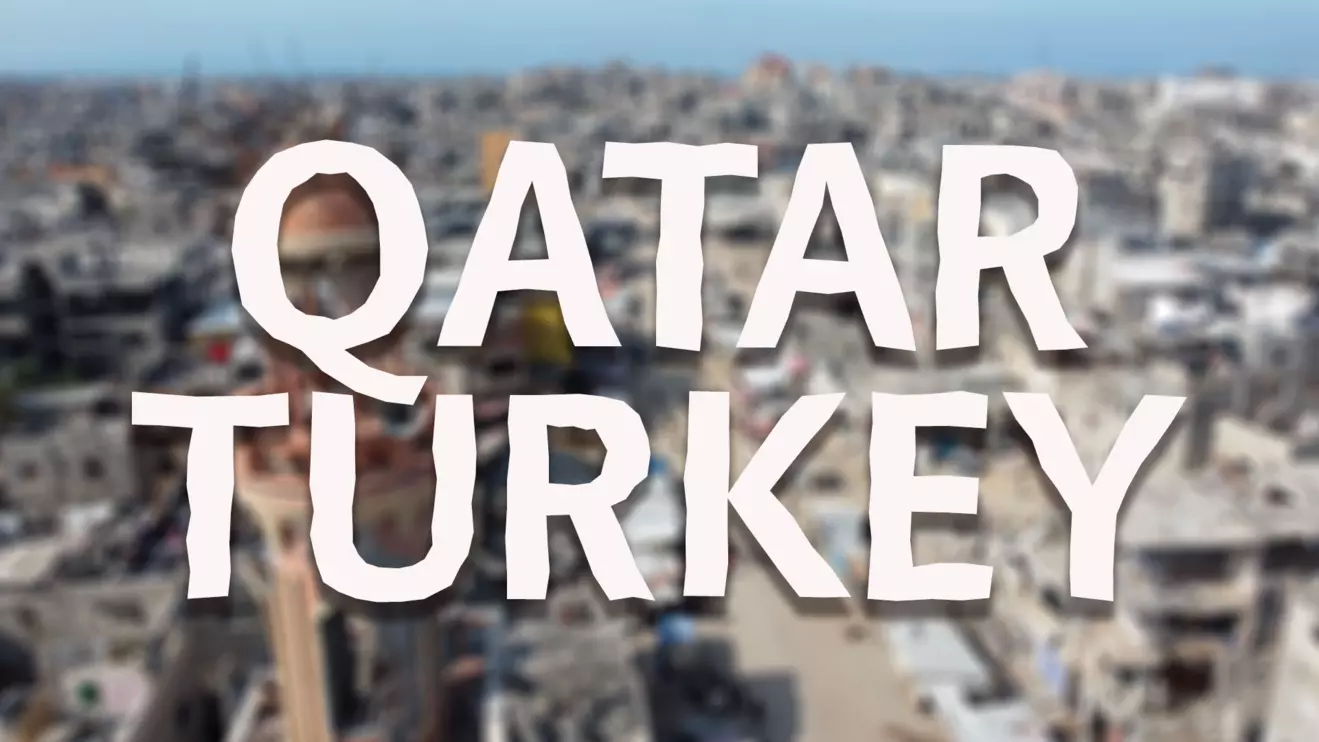
The prisoners will be sent to Turkey and Qatar © Mena Today
The ceasefire agreement between Hamas and Israel, which came into effect on Sunday, includes provisions for a large-scale prisoner exchange.
As part of the deal, over 230 Palestinians sentenced to life imprisonment for involvement in deadly attacks against Israelis will be exiled upon their release.
Israel has published a list of 734 Palestinian detainees eligible for release during the first phase of the agreement, out of a total of 737 announced.
This list was negotiated through Qatari mediation, with assistance from the United States and Egypt, in an effort to end more than 15 months of war between Israel and Hamas in Gaza.
Of these prisoners, over 230 were sentenced to life for their roles in attacks resulting in the deaths of Israelis.
According to sources involved in the negotiations, these individuals will be deported to countries like Qatar and Turkey immediately after their release.
In total, the first phase of the agreement will see the release of approximately 1,900 Palestinian detainees held by Israel in exchange for 33 Israeli hostages currently held in Gaza.
Reporting Hamad Hussein
President Trump understands something most diplomats refuse to acknowledge: the Middle East cannot remain a museum of old hatred.
When Qatar's sovereign wealth fund quietly acquired Paris Saint-Germain (PSG) on June 30, 2011, for an estimated €100 million, the stated ambition was clear: to project influence, reshape perception, and buy prestige on the world's biggest sporting stage.
Israeli Ambassador to the United States Yechiel Leiter has outlined Israel's vision for a negotiated resolution with Lebanon, in an interview with This is Beirut.
To make this website run properly and to improve your experience, we use cookies. For more detailed information, please check our Cookie Policy.
Necessary cookies enable core functionality. The website cannot function properly without these cookies, and can only be disabled by changing your browser preferences.