
Iran
Inside the U.S.-Iran peace agreement
This is what the U.S. and Iran, along with mediator Pakistan, have said about what is in the preliminary deal they have announced to end the war.

The ink on the US-Iran framework agreement was barely dry before the recriminations began, not from Tehran's enemies in Washington, but from the very allies Donald Trump was supposed to be protecting.

Amjad Taha © X
The ink on the US-Iran framework agreement was barely dry before the recriminations began, not from Tehran's enemies in Washington, but from the very allies Donald Trump was supposed to be protecting.
Amjad Taha, an Emirati expert in strategic and political affairs, delivered one of the most withering verdicts on X, with a metaphor that cuts to the heart of the problem: "JD Vance signing his dream deal with Tehran is like signing a peace deal with a shark and then acting surprised when it still bites."
Taha's frustration runs deep. "I respect President Trump, but I trust the Iranian regime about as much as I trust a crocodile to babysit," he wrote, before delivering a pointed strategic assessment: "The Islamic regime in Iran treats every agreement like extra time, keep breaking the rules and hope the referee never blows the final whistle."
His conclusion was unambiguous: "No deal is better than a bad deal. If Iran won't dismantle its nuclear and missile programs, stop funding terrorism, and keep the Strait of Hormuz open, then close this file the way you closed Obama's Iran file, and finish the job."
He added a observation that stings: "Trump shouldn't play business with Middle Eastern politics. In the Middle East, it's football. Israel knows the pitch better."
Beirut's Bitter Verdict
From Lebanon, where the human cost of Iran's proxy war has been catastrophic, the reaction was even rawer. Antoine Nanton, writing on X, did not hold back: "Trump did not only betray Israel, he betrayed the Iranian people whom he promised to defend, he betrayed the Lebanese people, he betrayed the Kurds and many more."
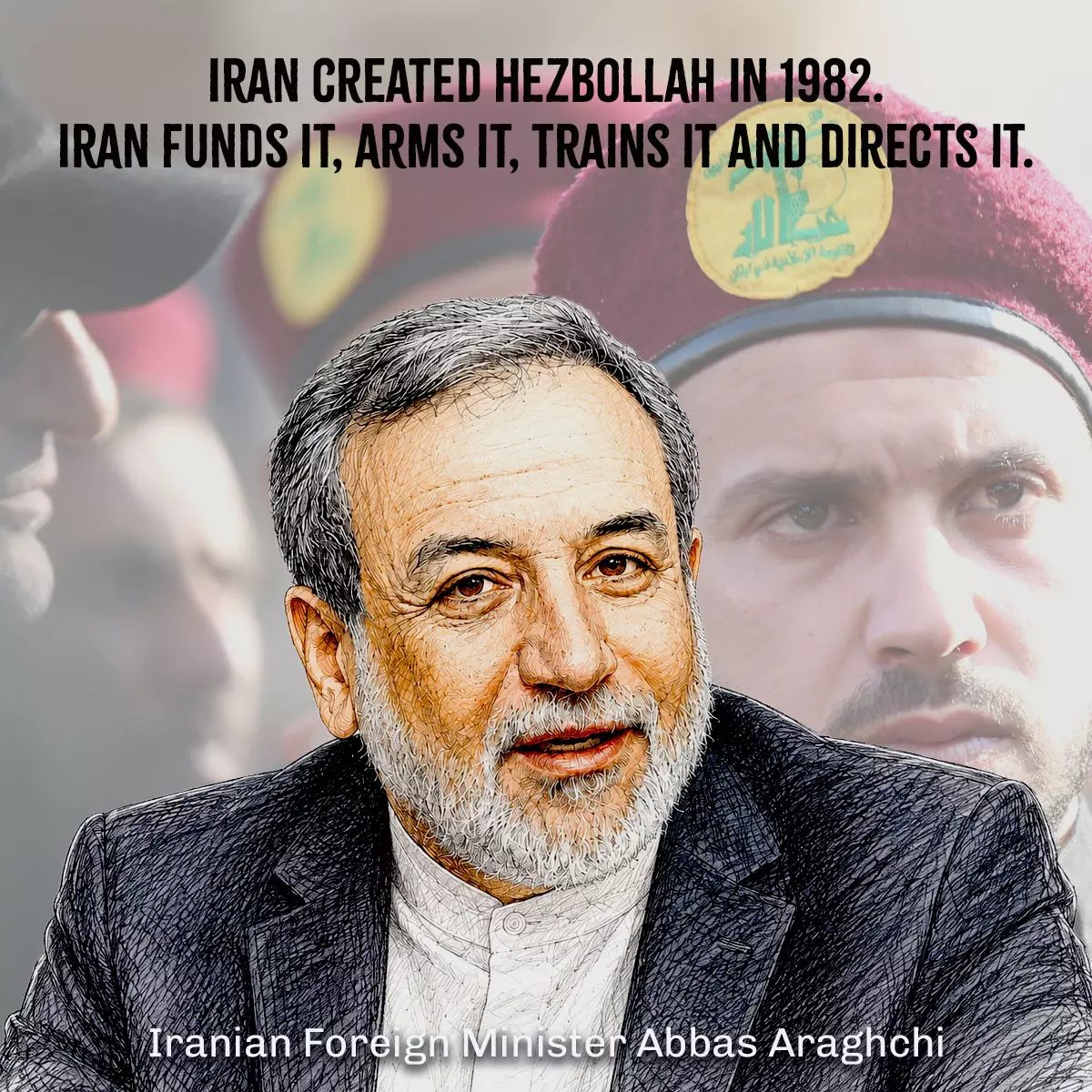
For the Lebanese, the betrayal is existential. A framework agreement that makes no mention of Hezbollah, the Iranian-created militia that has held Lebanon hostage for four decades, is not peace. It is a green light for Tehran to maintain its stranglehold over a country that was, for the first time in a generation, beginning to find its sovereign voice.
The Pattern Nobody Wants to Name
What unites the anger from Abu Dhabi to Beirut is a single, uncomfortable recognition: Iran has once again run the diplomatic clock, extracted concessions, and emerged with its most dangerous assets, its proxies, its missiles, its regional influence, intact and unaddressed.
The Houthis still fire. Hamas still exists. Hezbollah still arms. And the deal mentions none of them.
Even Obama or Biden, as Taha drily noted, might have done better than this.
For the people of the Middle East who trusted American resolve, that is not a comparison anyone wanted to be making.
This is what the U.S. and Iran, along with mediator Pakistan, have said about what is in the preliminary deal they have announced to end the war.
Saudi Arabia on Monday welcomed the agreement between the United States and Iran to end military operations and begin detailed negotiations toward a permanent peace deal, while issuing a pointed reminder that the interests of regional states must not be overlooked.
Israel's Defence Minister Israel Katz declared Monday that Israeli forces would remain in Lebanon, Syria and Gaza for an indefinite period, in a pointed statement that makes no reference to the US-Iran framework agreement announced the same day.
To make this website run properly and to improve your experience, we use cookies. For more detailed information, please check our Cookie Policy.
Necessary cookies enable core functionality. The website cannot function properly without these cookies, and can only be disabled by changing your browser preferences.