Lebanon
The war Hezbollah is now fighting is against its own country
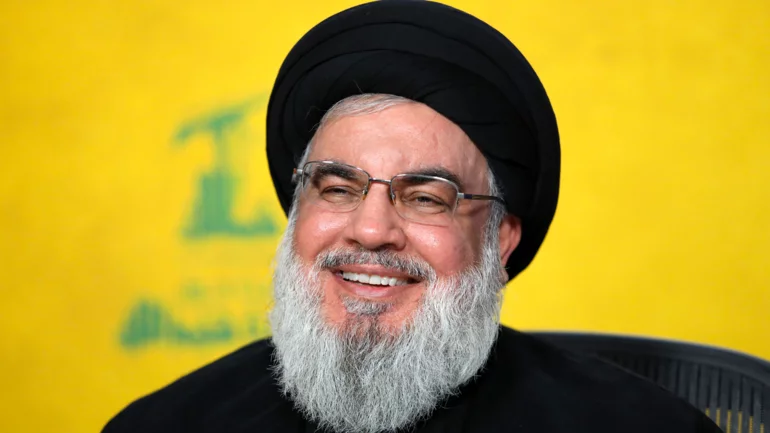
The most forceful response to Hezbollah chief Naim Qassem's threats against the Lebanese government came not from Beirut, but from Washington.
Lebanon's Maronite Patriarch Béchara Raï used his Sunday homily to call for the success of ongoing negotiations between Lebanon and Israel, renewing his longstanding plea for Lebanese neutrality and urging "collective responsibility" in the face of chaos and poverty gripping Beirut.
Lebanon is facing threats to both its unity and territorial integrity, French presidential envoy Jean-Yves Le Drian warned Thursday, pointing to Israeli occupation of Lebanese territory in the south and Hezbollah's grip on the rest as twin threats to the country's survival as a coherent state.
Lebanese Prime Minister Nawaf Salam delivered his sharpest rebuke yet of Hezbollah on Friday, urging the Iran-backed group to abandon what he called "absurd adventures in service of foreign interests" and stop dressing up "deaths, destruction and displacement" as victories.
The United States delivered a pointed assessment at the UN Security Council Thursday, accusing the Assad regime of having "permitted or turned a blind eye" to Hezbollah's activities and captagon trafficking networks, allowing the Iran-backed group to "sow destruction in Syria and across the region."
As the first session of government-level Lebanon-Israel negotiations opened Thursday in Washington, Lebanese Foreign Minister Joe Raggi moved quickly to define what Beirut is, and is not, sitting down to discuss.
The United Arab Emirates has added 16 Lebanese individuals and five entities operating in Lebanon to its terrorism list for their alleged links to Hezbollah, the official WAM news agency reported Tuesday.
The European Union is taking its most significant step toward re-engaging with Syria since the fall of Bashar al-Assad, as EU foreign ministers meet Syrian Foreign Minister Asaad al-Shaibani in Brussels Monday to launch a high-level political dialogue.
The United States has confirmed that government-level delegations from Israel and Lebanon will hold "intensive and detailed" discussions in Washington on 14 and 15 May, in what represents the most significant direct diplomatic engagement between the two countries in over four decades.
Emmanuel Macron arrived at the European Political Community summit in Yerevan, Armenia on Monday and did what he does best: issued a solemn declaration about Lebanon that will change absolutely nothing.
Israel has firmly rejected claims circulating on social media and in some media outlets that a monastery in Yaroun, in southern Lebanon, was demolished by Israeli forces, calling the reports "false" and demanding an immediate public correction.
Lebanese President Joseph Aoun said Wednesday that Lebanon is waiting for the United States to set a date for the start of formal negotiations with Israel, as the two countries navigate a delicate diplomatic process that has already yielded two rounds of preparatory talks in Washington.
To make this website run properly and to improve your experience, we use cookies. For more detailed information, please check our Cookie Policy.
Necessary cookies enable core functionality. The website cannot function properly without these cookies, and can only be disabled by changing your browser preferences.