
Israel
Gaza envelope population tops pre-October 7 levels
Thousands of newcomers are joining returning evacuees, a quiet verdict on who won the southern front.

Russian President Vladimir Putin will host his Syrian counterpart Ahmad al-Sharaa on Wednesday, marking their second meeting since the 2024 overthrow of former Syrian leader Bashar el-Assad, a longtime ally of the Kremlin.
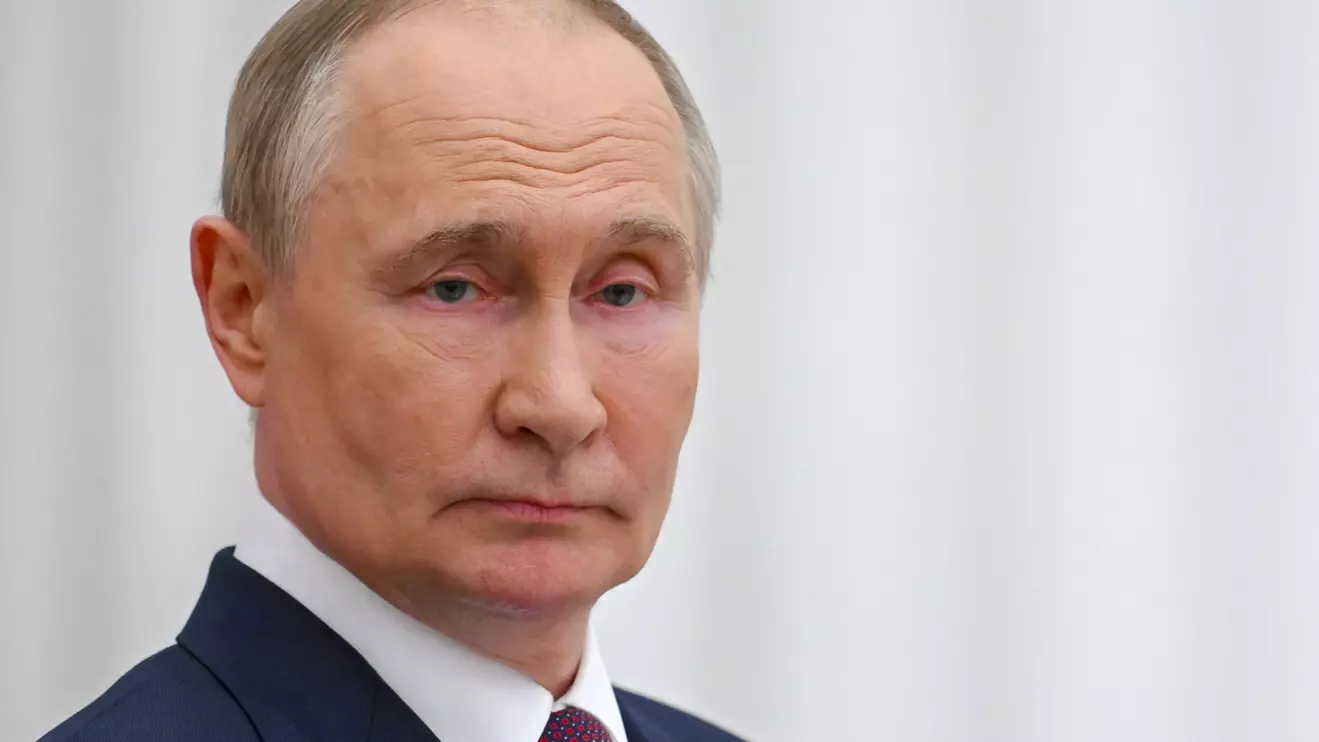
Vladimir Putin © Mena Today
Russian President Vladimir Putin will host his Syrian counterpart Ahmad al-Sharaa on Wednesday, marking their second meeting since the 2024 overthrow of former Syrian leader Bashar el-Assad, a longtime ally of the Kremlin.
It is the Syrian president’s second visit to Russia in four months, after a previous trip in October. The Kremlin said on Tuesday that talks would focus on the state of bilateral relations, prospects for cooperation across several sectors, and the broader situation in the Middle East.
The meeting comes as Moscow reassesses its military posture in Syria. This week, Russia withdrew its forces and equipment from the airport in Qamishli, located in the autonomous Kurdish-run region in the country’s northeast. Russia had maintained a small presence there since late 2019 under an agreement with Turkey.
The withdrawal follows recent setbacks suffered by Kurdish forces, who still control Qamishli but have been forced to cede large areas of northern and northeastern Syria to the Syrian army after weeks of fighting.
Russia was a key backer of Assad and intervened militarily in Syria in 2015 to support government forces against rebels and jihadist groups. At the time, Ahmad al-Sharaa was among those fighting against the Damascus government.
Now in power, al-Sharaa is seeking Assad’s extradition. The former president has been living in Russia since his removal from office.
Assad’s fall has dealt a blow to Russian influence in the Middle East. Still, Syria’s new authorities have so far maintained cordial ties with Moscow, as Russia seeks to retain access to its military bases in the country.
Meanwhile, the government in Damascus has launched a military offensive against territories previously controlled by the Kurdish-led Syrian Democratic Forces (SDF).
The operation has raised serious concerns about security at camps and prisons in northeastern Syria, where the SDF has held thousands of former fighters from the so-called Islamic State group and their families since 2019.
A ceasefire is currently in place and was extended by 15 days on Saturday. Both sides accuse each other of violations, while sporadic clashes continue.
On Tuesday, France, the United Kingdom, Germany, and the United States urged Syrian government forces and Kurdish fighters to avoid any “security vacuum” that could benefit jihadists from the Islamic State.
After a phone call with his Syrian counterpart, U.S. President Donald Trump said that “everything is going very well.”
Thousands of newcomers are joining returning evacuees, a quiet verdict on who won the southern front.
Turkish President Tayyip Erdogan said it was unrealistic to expect all countries to make the same progress on climate policy while inequalities in access to financing and technology persisted, adding he expected support from all nations for Turkey's COP31 Climate Summit action agenda.
Turkey and Iraq agreed on Wednesday for Turkish forces to hand over a military camp in northern Iraq to the Iraqi government gradually, they said after talks in New York, adding they also agreed to end the presence of "outlawed armed elements" in northern Iraq.
To make this website run properly and to improve your experience, we use cookies. For more detailed information, please check our Cookie Policy.
Necessary cookies enable core functionality. The website cannot function properly without these cookies, and can only be disabled by changing your browser preferences.