
Lebanon
Israeli army radio announces "Significant" reduction of troops in South Lebanon
Israel's army radio (GLZ) announced Thursday a "significant" reduction in the number of brigades deployed in the occupied "buffer zone" in southern Lebanon.

Lebanon’s cabinet on Friday approved a long-awaited draft law aimed at tackling the financial crisis that has paralysed the country’s economy for nearly six years, pushing it forward despite fierce resistance from political parties, banks and depositors.
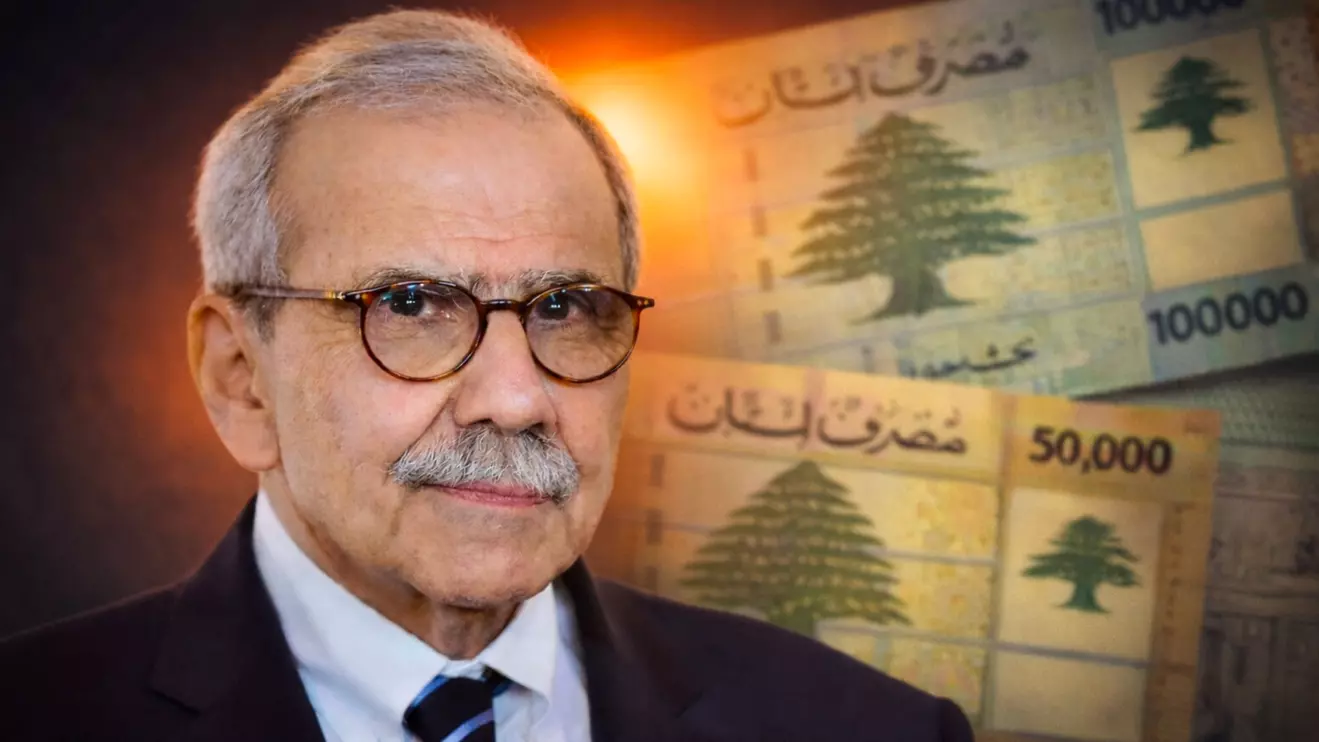
Nawaf Salam © Mena Today
Lebanon’s cabinet on Friday approved a long-awaited draft law aimed at tackling the financial crisis that has paralysed the country’s economy for nearly six years, pushing it forward despite fierce resistance from political parties, banks and depositors.
The proposed legislation, known as the “financial gap” law, is a cornerstone of the reform package demanded by the International Monetary Fund as a condition for unlocking international funding. Without these reforms, Lebanon remains cut off from badly needed financial support.
The law seeks to address the enormous losses triggered by the 2019 financial collapse by distributing them among the state, the central bank, commercial banks and depositors.
It also aims to allow savers, many of whom have been locked out of their accounts for years, to gradually recover part of their frozen funds. In 2022, the government estimated total losses at around $70 billion, a figure widely believed to have risen since then.
The cabinet approved the draft by a narrow 13–9 vote, underscoring deep divisions within Lebanon’s political leadership.
Opposition came from ministers across the political spectrum, while dozens of protesters gathered outside government headquarters during the meeting, accusing the law of failing to adequately protect depositors’ savings.
Restoring trust is essential not only for Lebanese citizens, but also for Gulf investors
The Association of Banks in Lebanon, which represents the country’s commercial lenders, has also voiced strong objections to the proposal.
Prime Minister Nawaf Salam defended the law as a necessary and pragmatic step, arguing that it could help rebuild confidence in Lebanon’s shattered banking system.
He said restoring trust was essential not only for Lebanese citizens, but also for Gulf investors who may be willing to return once credible reforms are in place.
“For the first time, this is a law with accountability,” Salam told reporters.
The draft now moves to Lebanon’s deeply fragmented parliament, where it faces an uncertain future and potential amendments.
Efforts to reform Lebanon’s financial system have repeatedly stalled over the past six years, blocked by entrenched political and private interests.
However, Salam and President Joseph Aoun have pledged to push ahead, signalling that financial reform will remain at the top of the government’s agenda.
Israel's army radio (GLZ) announced Thursday a "significant" reduction in the number of brigades deployed in the occupied "buffer zone" in southern Lebanon.
Thousands of newcomers are joining returning evacuees, a quiet verdict on who won the southern front.
Turkish President Tayyip Erdogan said it was unrealistic to expect all countries to make the same progress on climate policy while inequalities in access to financing and technology persisted, adding he expected support from all nations for Turkey's COP31 Climate Summit action agenda.

To make this website run properly and to improve your experience, we use cookies. For more detailed information, please check our Cookie Policy.
Necessary cookies enable core functionality. The website cannot function properly without these cookies, and can only be disabled by changing your browser preferences.