President Isaac Herzog urged Israel’s political leaders on Sunday to accept the outcome of last week’s election and show flexibility in coalition talks, warning that political entrenchment could drag the country into yet another vote.
“The election results are an established fact – they are the reality,” Herzog said at the state memorial ceremony for Chaim Weizmann, Israel’s first president. “Now is the time to tell all the leaders: Stop climbing trees and position yourselves in front of this reality.”
He promised that consultations at the President’s Residence this week would try to “put up ladders” to help party leaders climb down from their positions.
A Knesset without a majority
The appeal comes as neither camp can command a majority. Benjamin Netanyahu’s bloc won 53 seats, the opposition bloc 48, while the Arab parties, Ra’am and the Joint List, secured a record 19 seats between them.
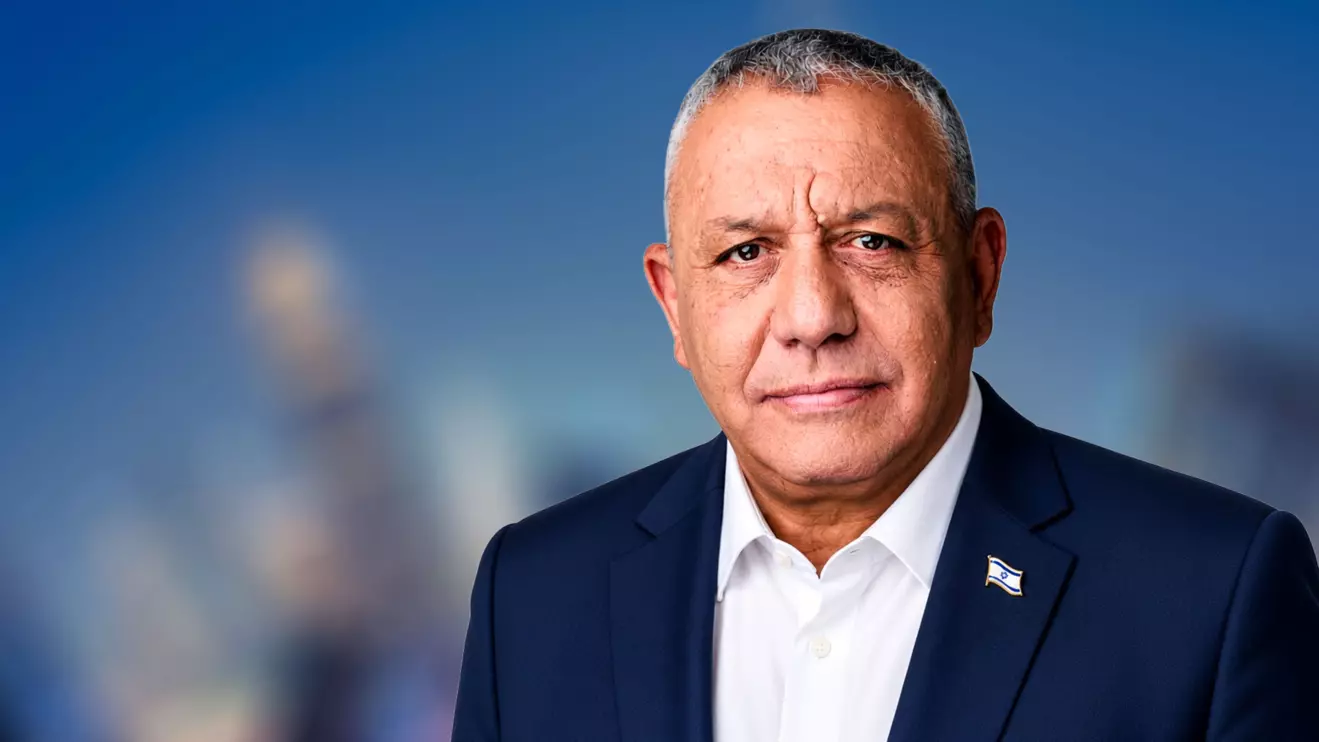
The arithmetic could hand the first opportunity to Netanyahu’s main rival. According to a senior Joint List official quoted by Walla, both Arab parties are expected to recommend Yashar leader Gadi Eisenkot for prime minister.
Combined with the opposition’s 48 seats, that would give Eisenkot 67 recommendations, well above the threshold, and likely earn him the mandate to form a government. He would then have 28 days, with a possible 14-day extension, to build a coalition.
But recommendations are not a coalition. Turning Arab party support into a working government remains politically fraught, as several opposition figures have ruled out relying on Arab parties.
The timeline
- Wednesday: Herzog receives the official results from the Central Elections Committee and begins consultations with all Knesset factions, as required by law.
- November 10: the new Knesset is sworn in, regardless of the state of coalition talks.