Israeli Defense Minister Israel Katz warned on Friday that the Israeli army will continue striking targets in Beirut unless the Lebanese government disarms Hezbollah, escalating tensions a day after a wave of Israeli airstrikes devastated several buildings in the densely populated southern suburbs of the Lebanese capital — a stronghold of the Shiite group.
“There will be no calm in Beirut, no order or stability in Lebanon without security for the State of Israel,” Katz said in an official statement. “The agreements must be respected. If you don’t act as required, we will continue, and with great force.”
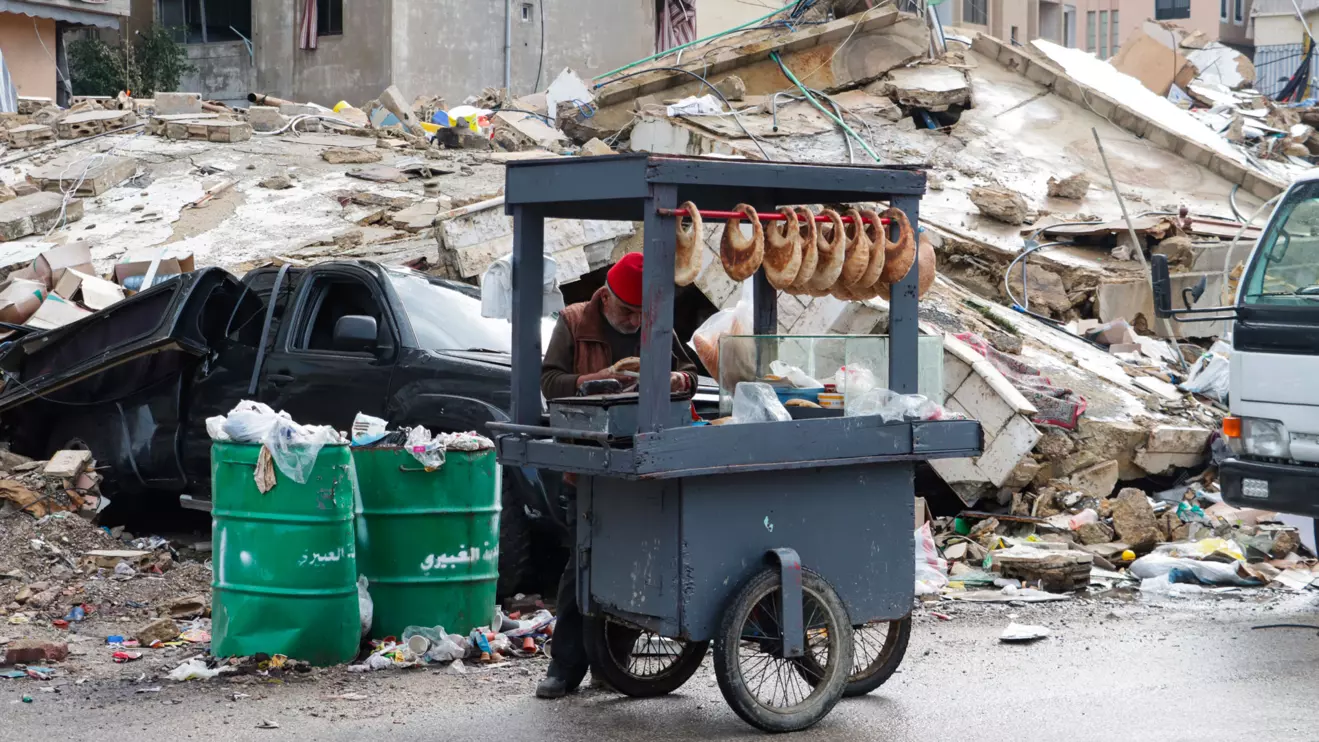
On Thursday evening, at least eight separate airstrikes, some involving multiple missiles, hit what the Israeli military described as “underground drone manufacturing infrastructure.”
An evacuation order had been issued approximately one hour before the attacks, sparking panic in the Beirut districts of Bourj el-Brajneh, Haret Hreik, and Hadeth, just as residents were beginning Eid al-Adha celebrations.
The strikes caused an undisclosed number of injuries. Several hospitals in the area confirmed receiving victims, though the exact toll remains unclear.
Lebanese President Joseph Aoun and Prime Minister Nawaf Salam have both made the monopoly of weapons under the state a key policy priority — a stance that implicitly calls for the disarmament of Hezbollah, which remains the most powerful non-state armed group in the country.
However, Hezbollah has refused any forced disarmament, instead calling for dialogue over Lebanon’s national defense strategy. The group insists it will not make concessions while Israeli forces continue to occupy disputed Lebanese territories.
In a speech marking 100 days since the formation of his cabinet, Prime Minister Salam stated that, since the ceasefire agreement of November 27, 2024, the Lebanese Army has dismantled more than 500 military sites south of the Litani River, an area previously dominated by Hezbollah forces.
The pullback was a core element of the November agreement aimed at de-escalating cross-border tensions.
Despite the ceasefire, the situation remains volatile, with Israel accusing Hezbollah of rearming and rebuilding positions, and Hezbollah accusing Israel of continued violations of Lebanese sovereignty.