Hezbollah
Hezbollah's last battle
The Shiite militia had been preparing since November 2024. Everything else was smoke and mirrors.
The Israeli government has announced plans for the return of northern residents to their homes starting March 1, provided the fragile ceasefire between Israel and Hezbollah holds.
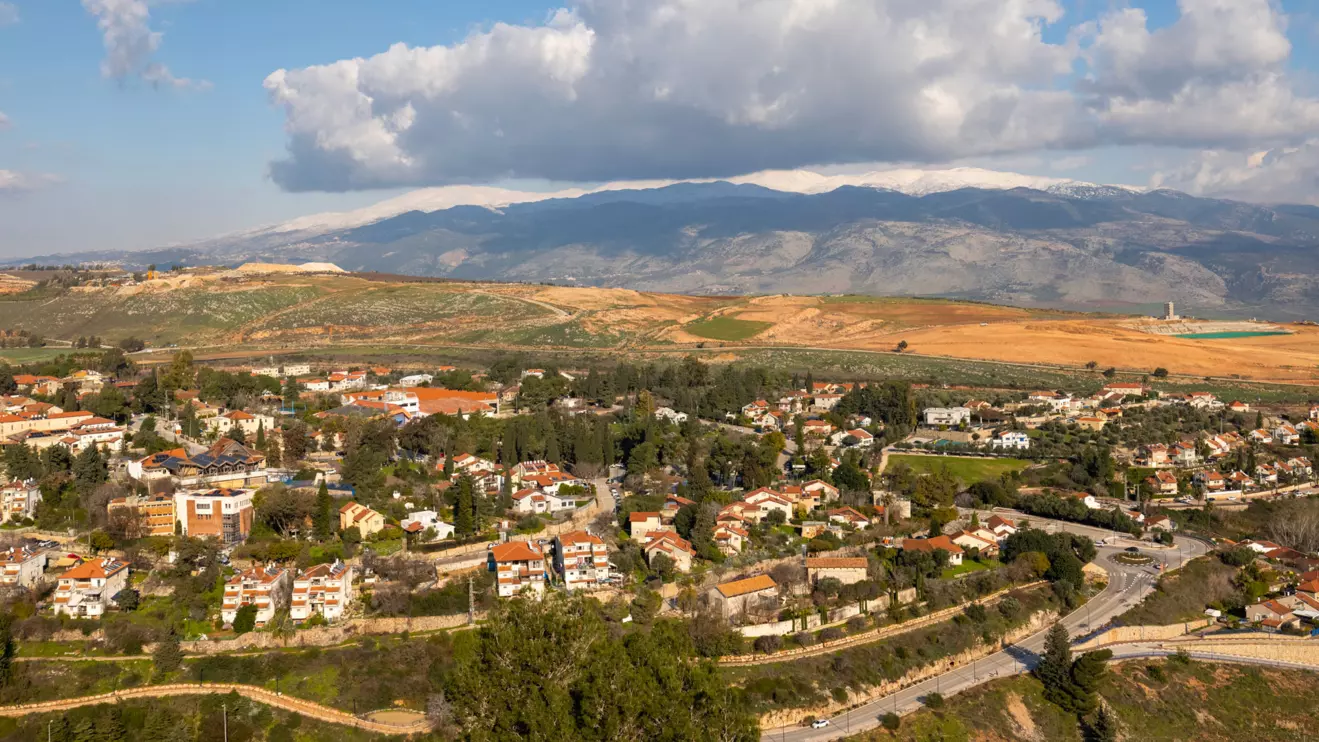
The Israeli town of Metula, located directly on the border with Lebanon © Mena Today
The Israeli government has announced plans for the return of northern residents to their homes starting March 1, provided the fragile ceasefire between Israel and Hezbollah holds.
Over 60,000 people fled the region more than a year ago due to escalating violence and ongoing tensions.
The decision to facilitate the return is contingent on the ceasefire's stability. While the truce has temporarily reduced hostilities, officials remain cautious about the volatile situation. "Nothing is certain," a government spokesperson stated, highlighting the risks posed by Hezbollah's unpredictable actions along the border.
The residents of northern Israel, displaced by the conflict, have faced significant challenges over the past year. Many have expressed hope for a return to normalcy but remain wary of renewed violence. The government's announcement brings both optimism and uncertainty, as the region continues to navigate the delicate balance between peace and security.
While March 1 marks a potential turning point for displaced families, the final decision rests on maintaining calm along the northern border.
As international mediators work to solidify the ceasefire, the region's future remains uncertain, underscoring the fragile nature of the current peace.
By Eli Nakim
The Shiite militia had been preparing since November 2024. Everything else was smoke and mirrors.
Israeli Defense Minister Israel Katz declared Monday that the "limited" ground operation launched in South Lebanon will continue "until Hezbollah no longer poses a threat to the residents of northern Israel" - drawing a direct parallel with Israel's military campaign in Gaza.
Israel said on Monday it has detailed plans for at least three more weeks of war as its military pounded sites across Iran overnight, while Iranian drone attacks temporarily shut Dubai airport and hit a key oil facility in the United Arab Emirates.
To make this website run properly and to improve your experience, we use cookies. For more detailed information, please check our Cookie Policy.
Necessary cookies enable core functionality. The website cannot function properly without these cookies, and can only be disabled by changing your browser preferences.