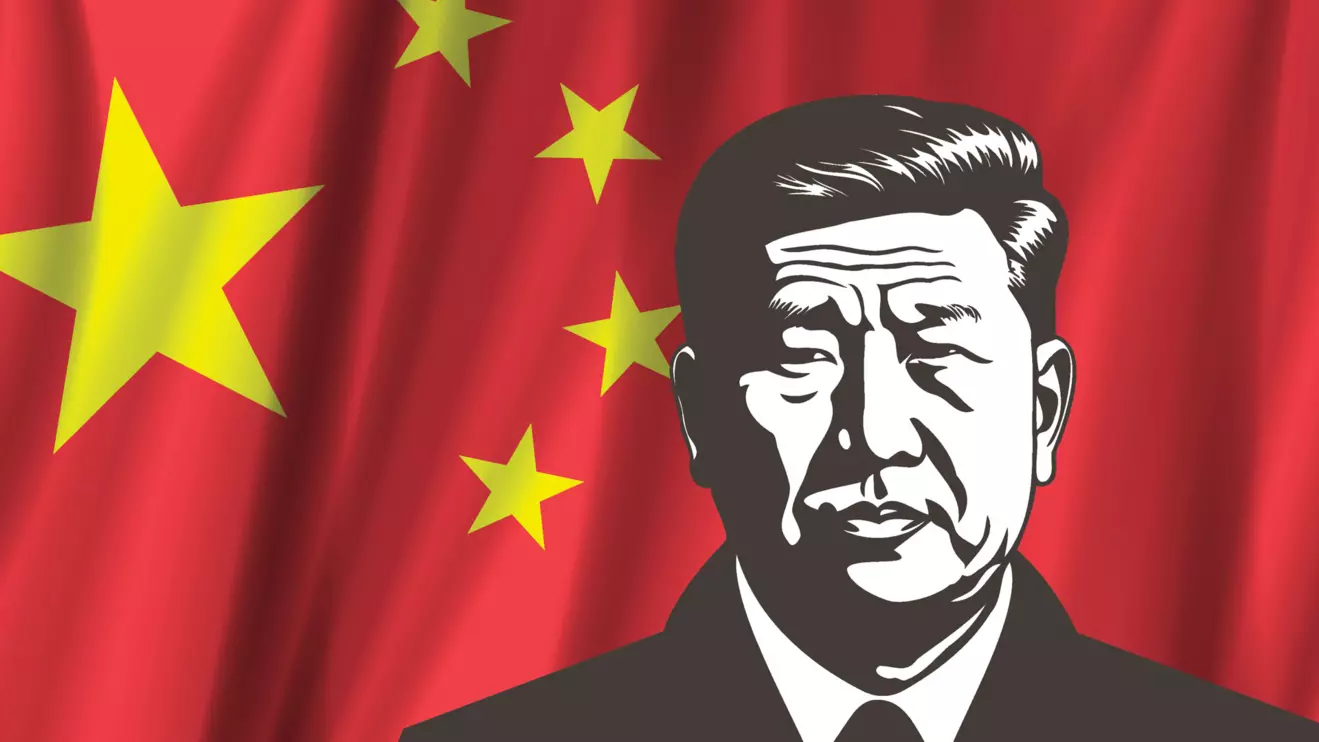
China rushed to condemn the elimination of Iranian Supreme Leader Ayatollah Ali Khamenei Sunday, calling it a "serious violation of Iran's sovereignty" and demanding an "immediate halt to military actions."
The statement, issued by China's Foreign Ministry, was as predictable as it was cynical.
Let us be absolutely clear about what China is defending here. Beijing is not mourning a statesman. It is mourning its most valuable strategic asset in the Middle East, a regime it armed, financed, and sustained through decades of terror, proxy warfare, and nuclear brinkmanship.
China did not merely observe Iran's destructive behavior from a distance. It actively enabled it. Beijing supplied weapons.
It purchased sanctioned Iranian oil, pumping billions of dollars into the coffers of a regime that used that money to fund Hezbollah, Hamas, and the Houthis. Just months ago, China signed a sweeping strategic cooperation agreement with Tehran, a deliberate lifeline thrown to a pariah state at its moment of maximum international pressure.
And now Beijing has the audacity to invoke the UN Charter.
The UN Charter Defense, From Its Most Consistent Violator
China's accusation that the strikes represent a "trampling of the objectives and principles of the UN Charter" would be laughable were it not so offensive.
This is the same China that has militarized the South China Sea in defiance of international law. The same China that threatens Taiwan's sovereignty daily.
The same China that has systematically shielded Iran from UN Security Council accountability for years, using its veto power to protect a regime that openly called for the destruction of a UN member state.
Beijing lecturing the world about international norms is the geopolitical equivalent of an arsonist calling the fire brigade reckless.
A Partnership Built on Shared Contempt for the Rules-Based Order
The China-Iran relationship was never about trade or diplomacy. It was a strategic alliance between two revisionist powers united by a common goal: undermining the Western-led international order. China provided the economic oxygen.
Iran provided the chaos. Together they destabilized the Middle East, weakened Western deterrence, and laughed at international accountability mechanisms.
That partnership has now lost its most important partner.
China's condemnation changes nothing on the ground. It will not resurrect Khamenei. It will not restore Iran's shattered military command. It will not undo what Operation Epic Fury has achieved.
But it does serve a purpose, it reminds the world exactly where Beijing stands. Not with the rules-based international order it claims to respect. Not with the millions of Syrians, Lebanese, Yemenis and Iranians who suffered under the regime it protected.
China stands with the tyrants. It always has.