The sun is setting in Pálpite, a small town on the edge of Cuba's vast Zapata Swamp, when suddenly the road swarms with activity. But not with the red land crabs that once attracted hundreds of thousands of tourists annually to one of the island's top eco-tourism destinations.
The crowds now are local residents pouring out of their homes in search of a cell phone signal when the lights flicker back on amid a U.S. energy blockade that has condemned a large swath of the island to live without electricity.
"What tourist will want to visit us under these conditions?" laments Manuela Arencibia Báez, owner of a rental house - now mostly empty - just down the road in the beachfront Playa Larga, 2 miles away and the region's top overnight destination.
She told Reuters she'd lost count of all the reservations she'd had to cancel, including those from tourists already in the country unable to find a taxi driver with sufficient gas to make the two hour trip south and east from Havana.
Official data underscore Arencibia's concerns. International tourist arrivals plunged 56% in February from one year prior. Both of Playa Larga's hotels are closed. Most of its tourist attractions are shuttered as well.
Cuba has for decades been plagued by shortages, hampered by a state-run economy and a Cold War-era U.S. trade embargo that complicates everything from financial transactions to the import of fuel. But this time is different, more than a dozen residents and tourism industry workers of the Zapata region told Reuters.
"We are much worse off even than during the coronavirus pandemic," said Arencibia, rattling off a list of lost reservations from countries like Switzerland, Canada, France and Germany.
Power cuts now run for 22 hours a day, with just a couple hours of light in which residents scramble to call loved ones in Miami, or Havana, or to prepare food before it rots in refrigerators.
Water is running short across many communities. Medical services - always complicated in far-flung corners of the country - are now a remote possibility, hampered by power cuts and lack of communications. Fuel for independent travelers who once flocked to the area in rental cars is largely unavailable.
Trump's fuel blockade coincided with what has historically been peak tourism season for Cuba, all but ensuring a disastrous year, a death knell for an industry already knee-capped by shortages but that in 2024 still accounted for as much as 10% of foreign currency earnings.
Many hotels and services, from Havana east to top beach destinations Varadero, Cayo Santa María and Cayo Coco, were forced to close when fuel shortages prompted many airlines to cut flights.
"In these months, I am always booked," said Fidel Silvestre Fuentes, a 67-year-old rental home owner who has long provided accommodations to birdwatchers who come from across the world to see the bee hummingbird, the world's smallest, among other endemic species. "Now, we're empty."
GHOST TOWN
The Zapata Swamp region, much of it contained within a pristine national park - nonetheless has more private rental homes open to tourists than even Cuba's top sun and beach destination, Varadero. Now though, it feels like a ghost town.
The potholes have grown deeper along the region's single access road. The coastal route between the white sands of Playa Larga, at the foot of the bay, and Playa Girón, further out, feels abandoned, inhabited mostly by stray crabs, wayward residents on horseback and men and women on bikes.
Even the region's top attractions are closed. The Cueva de los Peces, a transparent seemingly bottomless cave filled with colorful tropical fish, has been shuttered for two months, a guard told a reporter.
The impacts are especially dire in regions like Zapata, which offers residents few other options for work beyond tourism.
"If you don't a rental home, you work in a restaurant; or if you don't work in the sector, maybe you are related to someone who does," said Jorge Alberto Brito, a hat and souvenir seller who now lives off a scarce few pesos a day. "Without a doubt we have hit rock bottom."
LUCKY FEW
Fidel Fuentes Rayó, who rents a home in Playa Larga, is among the lucky few with money enough to purchase solar panels and a lithium battery for storage, giving his home a leg up on the competition.
It hasn't helped, he says.
"Tourists do not come to Cuba for comfortable accommodation, they come to but to tour the National Park and enjoy bird watching, diving services, boat rides, fly fishing... experiences that are just not available now," he said, citing fuel shortages and transportation challenges.
Still, a scattered few tourists still roll the dice on travel to the region.
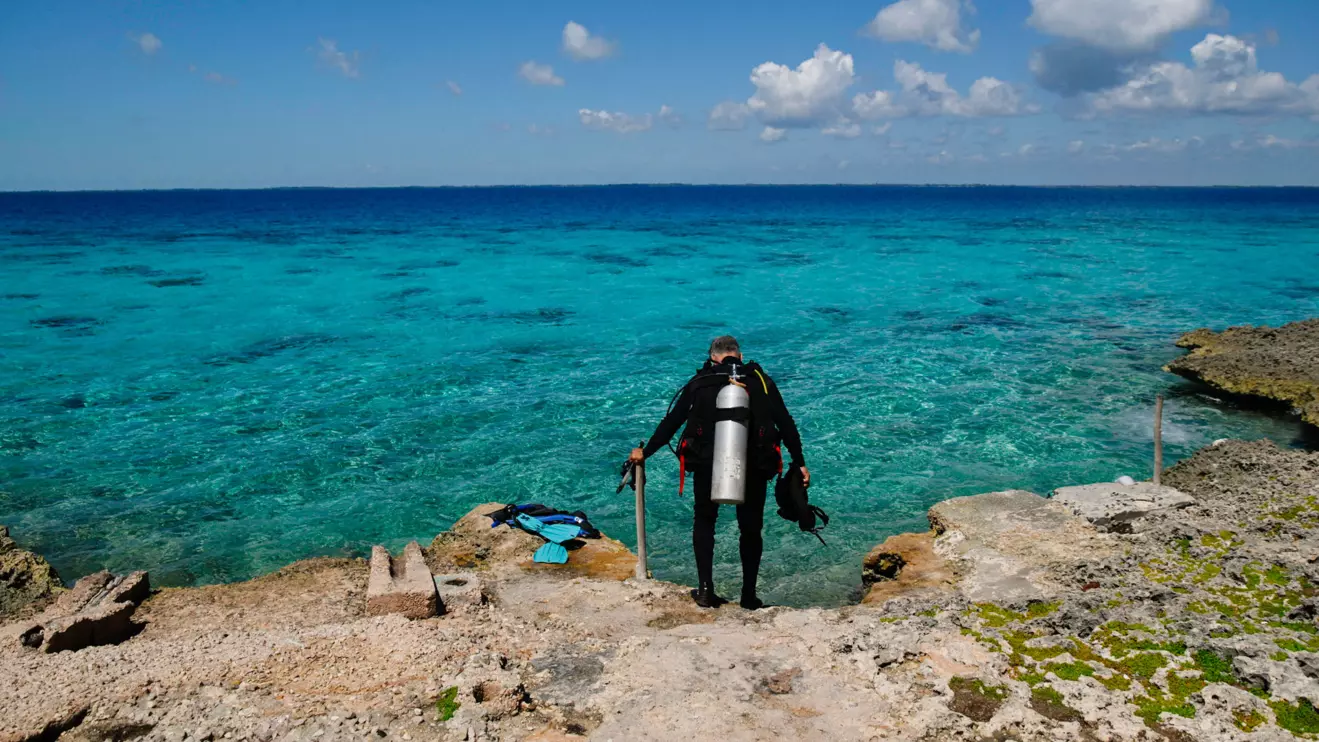
Blair Andrews, an American tourist, has returned repeatedly to Cuba, enough so to be on a first name basis with the guides at a Bay of Pigs scuba diving operation.
The 51-year-old told Reuters electricity and cell service were the least of her concerns.
"I come back because the Cuban people are good hosts and have a beautiful culture," she said as she strapped a tank to her back before diving into the clear aqua-green water of the Bay of Pigs. "I'm very sad about what's happening to them."