Iran
The deal that stops the fighting but solves little
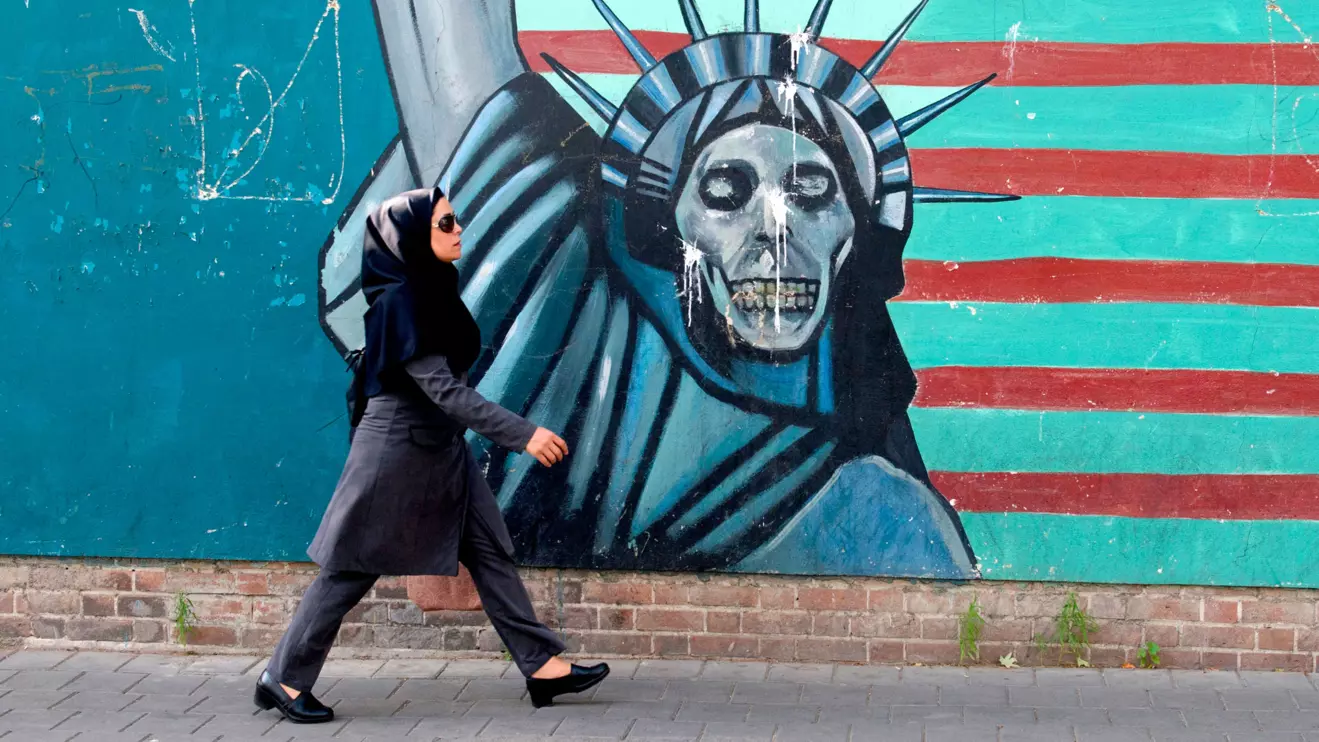
The U.S.-Israeli war on Iran was meant to break the Islamic Republic. Instead, the warring sides are edging towards an interim agreement that would leave Iran battered but not broken.
Fresh demonstrations were reported Saturday night in Tehran, while violence intensified in parts of western Iran, marking the eighth day of nationwide unrest, according to Iranian media on Sunday.
Videos circulating on social media show protests in various locations © Mena Today
Fresh demonstrations were reported Saturday night in Tehran, while violence intensified in parts of western Iran, marking the eighth day of nationwide unrest, according to Iranian media on Sunday.
The protest movement, which began on December 28 over rising living costs, has since evolved into broader political dissent. It has spread to around 40 towns and cities, mostly small and medium-sized communities in western Iran, according to a count based on official statements and media reports.
At least 12 people have been killed since December 30 in localized clashes, including members of the security forces, according to official figures.
The Fars News Agency described Saturday’s rallies in Tehran as limited in scale, typically involving groups of 50 to 200 young people across several neighborhoods. Political slogans were reported, but no major unrest occurred beyond minor stone-throwing and the burning of trash bins.
By contrast, authorities reported more serious incidents in western regions. In Malekshahi, a predominantly Kurdish area, clashes on Saturday resulted in the death of a security officer after protesters allegedly attempted to storm a police station. Iranian media said two attackers were killed.
While state media acknowledge episodes of violence and vandalism, particularly outside the capital, reporting remains fragmented. Videos circulating on social media show protests in various locations, though many cannot be independently verified, making the full scope of the unrest difficult to assess.
By Amir Alavi
The U.S.-Israeli war on Iran was meant to break the Islamic Republic. Instead, the warring sides are edging towards an interim agreement that would leave Iran battered but not broken.
The Israeli military said it had intercepted rockets fired by Hezbollah into Israel on Wednesday, while Lebanese security sources said an Israeli strike hit a car near Beirut, testing a U.S.-mediated deal that aims to get the sides to curb attacks.
Donald Trump is nothing if not an optimist. His latest statements on Iran, declaring that Tehran has agreed never to acquire a nuclear weapon and musing about a future meeting with Supreme Leader Mojtaba Khamenei, project a confidence that is either visionary or deeply puzzling, depending on your vantage point.
To make this website run properly and to improve your experience, we use cookies. For more detailed information, please check our Cookie Policy.
Necessary cookies enable core functionality. The website cannot function properly without these cookies, and can only be disabled by changing your browser preferences.