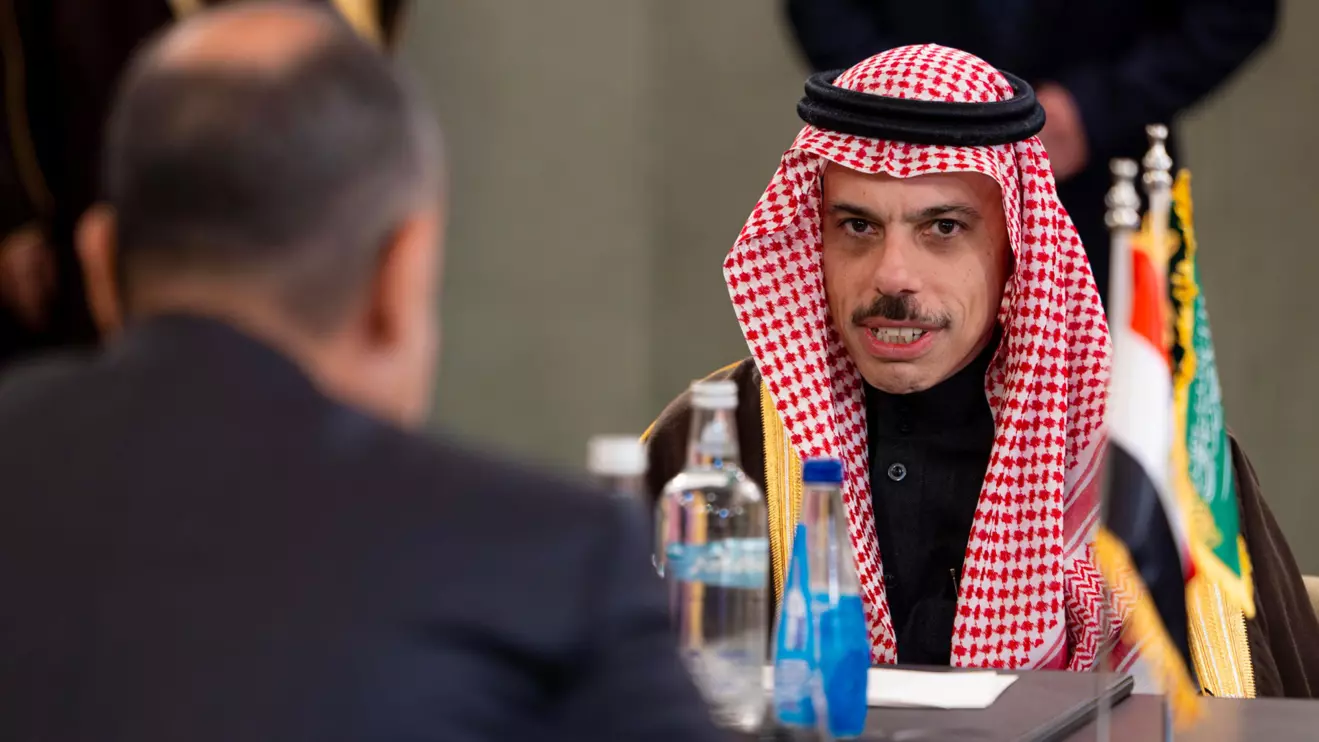
Egypt reaffirmed its alignment with Saudi Arabia’s regional positions during a high-level meeting in Cairo on Monday, amid growing tensions between Riyadh and Abu Dhabi over various Middle Eastern and African conflicts.
During talks between Egyptian President Abdel Fattah el-Sisi and Saudi Foreign Minister Prince Faisal bin Farhan, both countries emphasized their shared stance on the need for peaceful solutions to the region’s crises, according to a statement from the Egyptian presidency.
This meeting comes at a time of increasing friction between Saudi Arabia and the United Arab Emirates—two Gulf powers that were once closely aligned against Iran but now appear to be drifting apart due to diverging strategic interests.
In Yemen, Saudi Arabia continues to support the internationally recognized government based in Aden, while accusing the UAE of backing the Southern Transitional Council (STC), a separatist group gaining ground in the southeast. Abu Dhabi denies the claims.
In Sudan, both Egypt and Saudi Arabia are key supporters of the country's de facto leader, General Abdel Fattah al-Burhan, whose forces have been locked in a brutal conflict with the paramilitary Rapid Support Forces (RSF) since spring 2023. The UAE has been repeatedly accused of aiding the RSF with weapons, fuel, and foreign fighters—allegations it strongly denies.
In Somalia, Saudi Arabia backs the federal government in Mogadishu, while the UAE maintains close ties with Somaliland, a breakaway region seeking international recognition.
The Cairo meeting underscores Egypt's growing role in regional diplomacy and highlights the emerging fault lines among Gulf and North African states as they navigate overlapping alliances and rivalries.