Emirates Group reports 3% profit rise despite Dubai airport disruption

1 min Sandrine Zimra

Emirates Group, owner of the Middle East's largest airline, announced Thursday a 3% rise in annual net profit to $5.7 billion, a resilient performance that underscores the group's ability to navigate one of the most turbulent periods in its history.

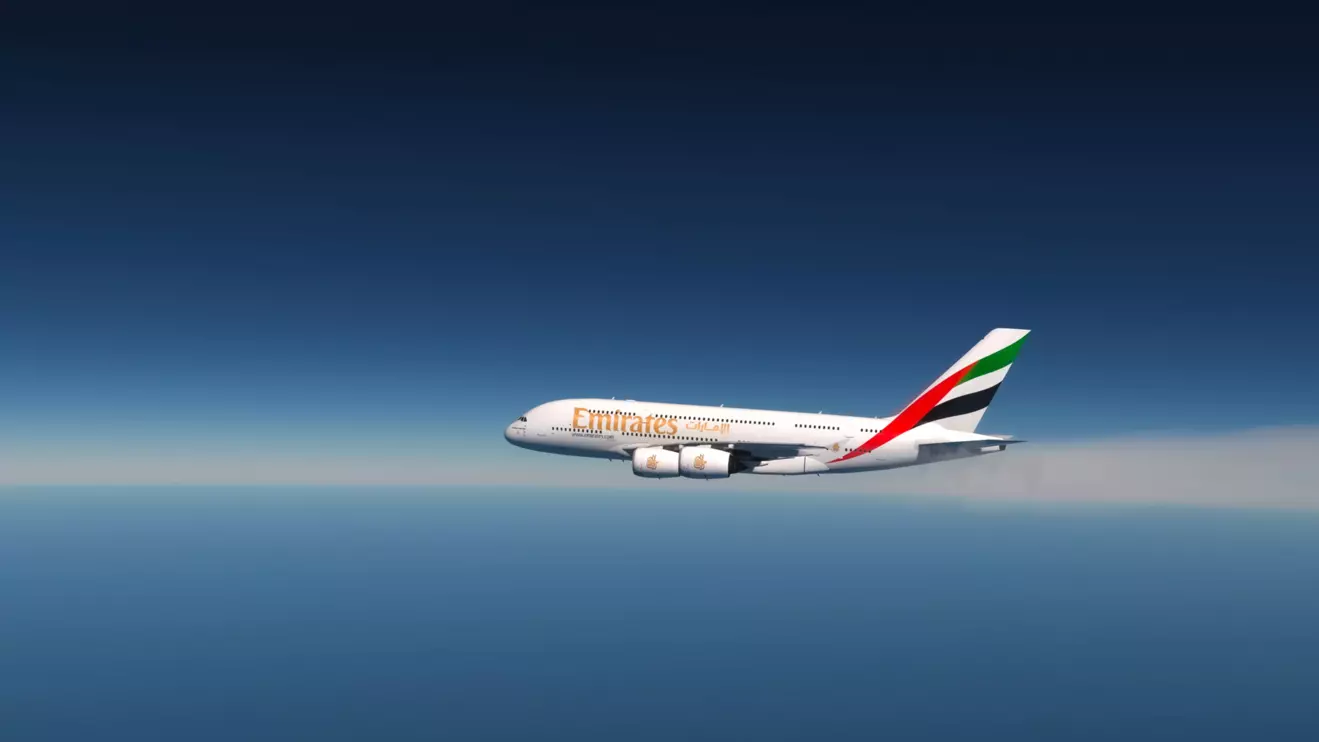
Dubai's geographic position as a global transit hub, connecting East and West, has historically made Emirates resilient to regional shocks © Mena Today 

Dubai's geographic position as a global transit hub, connecting East and West, has historically made Emirates resilient to regional shocks © Mena Today 

Emirates Group, owner of the Middle East's largest airline, announced Thursday a 3% rise in annual net profit to $5.7 billion, a resilient performance that underscores the group's ability to navigate one of the most turbulent periods in its history.

The Dubai-based conglomerate acknowledged that the regional conflict had taken a toll on passenger operations at Dubai International Airport, particularly in the final months of the fiscal year. "During the first eleven months of the fiscal year, before traffic at Dubai Airport was disrupted by the conflict, the group's situation was very positive," said Emirates chairman and CEO Sheikh Ahmed bin Saeed Al Maktoum.

But the group adapted. "Although we are still operating with passenger capacity below pre-disruption levels, cargo operations have increased," the CEO added, highlighting how Emirates leveraged its freight network to compensate for the decline in passenger traffic.

The results are a testament to the structural strength of an airline group that has built one of the most diversified aviation platforms in the world. 

Dubai's geographic position as a global transit hub, connecting East and West, has historically made Emirates resilient to regional shocks, even as the Middle East conflict has forced airlines across the region to reroute flights and reduce frequencies.

With passenger operations gradually recovering and cargo demand remaining strong, the group enters the new fiscal year cautiously optimistic, though the duration and trajectory of the regional conflict remains the key variable over which it has no control.

Sandrine Zimra

Sandrine Zimra

Sandrine Zimra has been a financial analyst for 25 years. Based in Geneva, she covers countries in the Middle East and travels regularly to the United Arab Emirates, Saudi Arabia, Qatar, Bahrain, Egypt, and Israel. She contributes to Mena Today with her financial reports and insights on the region.

Related

United Arab Emirates

UAE says no one can question its strategic alliances

The United Arab Emirates said on Wednesday that its ties and its international and defense partnerships were a "purely sovereign matter," rejecting an earlier statement by Iran saying that Abu Dhabi's cooperation with the U.S. threatened Iran's security and national interests.

United Arab Emirates

UAE rejects claims of involvement in Sudan strike

The United Arab Emirates denied allegations by Sudan that an Emirati drone had been used in an attack on Khartoum airport on Monday launched from Ethiopia, according to a statement by a UAE official late on Tuesday.

Subscribe to our newsletter

Mena banner 4

To make this website run properly and to improve your experience, we use cookies. For more detailed information, please check our Cookie Policy.

  • Necessary cookies enable core functionality. The website cannot function properly without these cookies, and can only be disabled by changing your browser preferences.