Politics
Milei appoints chief Buenos Aires prosecutor as new justice minister
Argentine President Javier Milei said on Wednesday he has appointed chief Buenos Aires prosecutor Juan Bautista Mahiques as the country's new justice minister.

Jack Lang, a former French culture minister, has resigned as president of the Arab World Institute, the French Foreign Affairs Ministry said on Saturday, after revelations of his past contacts with Jeffrey Epstein and the launch of a financial investigation.
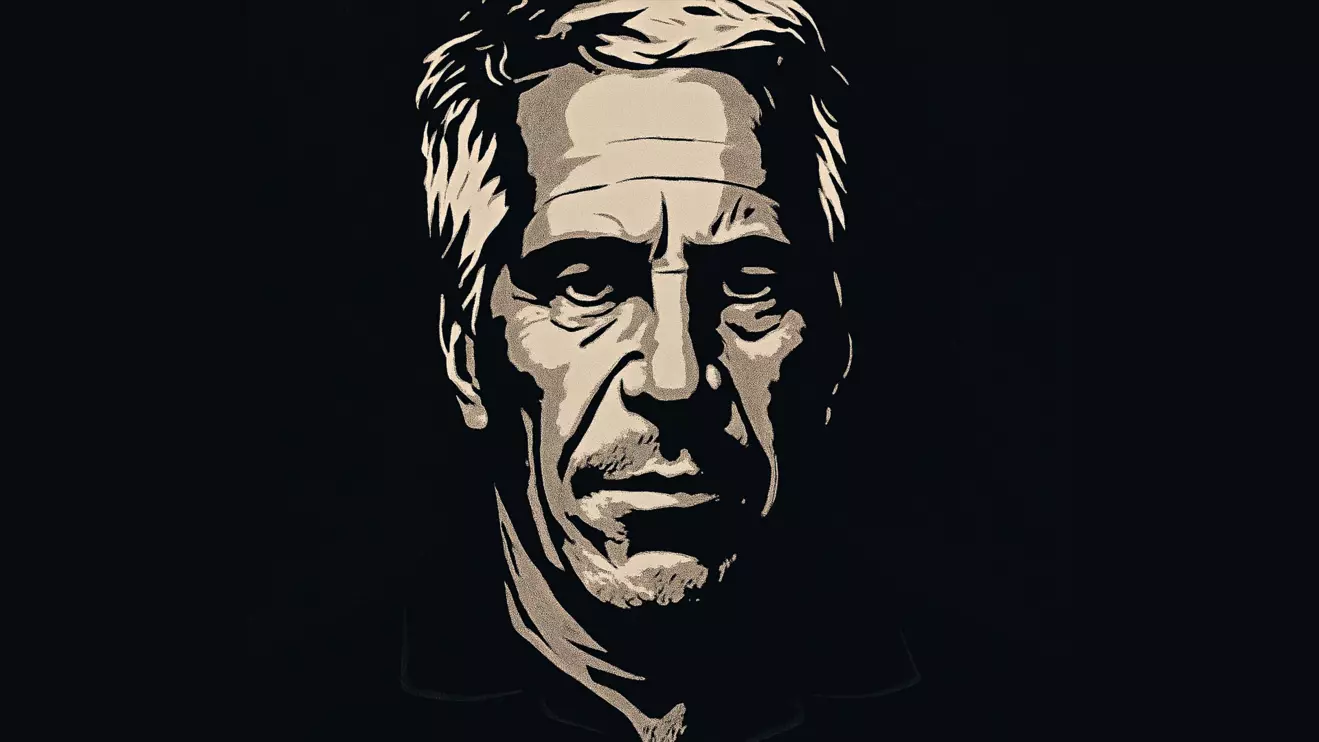
Jeffrey Epstein © Mena Today
Jack Lang, a former French culture minister, has resigned as president of the Arab World Institute, the French Foreign Affairs Ministry said on Saturday, after revelations of his past contacts with Jeffrey Epstein and the launch of a financial investigation.
Earlier this Saturday, the French Financial Prosecutor's Office had opened an investigation into Jack Lang and his daughter Caroline on suspicion of 'aggravated tax fraud laundering'.
Calls for Lang to step down intensified since files released on January 30 by the U.S. Department of Justice showed Epstein and Lang corresponding intermittently between 2012 and 2019, when the financier died by suicide in jail.
French media including Le Monde, Le Figaro and Mediapart said the preliminary investigation had been opened after the U.S. documents revealed years of correspondence and financial links between Lang and Epstein.
The office confirmed the investigation but did not provide further details.
Jack Lang had been summoned to report on Sunday to the Foreign Ministry, which supervises the Arab World Institute, a cultural and research institution that promotes understanding of the Arab world.
LANG DENIES WRONGDOING AMID INVESTIGATION
Lang said earlier on X that he welcomed the investigation "with serenity and even relief."
"The accusations levelled against me are baseless, and I will demonstrate this, beyond the sound and fury of the media and digital courts," he added.
Lang's name appears more than 600 times in the Epstein files, according to a Reuters review of them. On Monday, Caroline Lang, a long-time media executive, resigned as head of France's Independent Production Union after her own links to Epstein surfaced.
Jack Lang's lawyer told BFM TV that he would "prove that he is not involved in any malpractice or criminal offence".
"There has been no movement of funds ... But I think it is normal for the justice to want to verify this," Laurent Merlet said.
The file dump has heightened scrutiny of Epstein's global connections with public figures including Britain's Andrew Mountbatten-Windsor - the younger brother of King Charles - Peter Mandelson, the former UK ambassador to the United States and Norwegian Crown Princess Mette-Marit.
Reporting by Camille Raynaud, Tangi Salaun, Elizabeth Pineau, Jean-Stephane Brosse and Benoit Van Overstraeten
Argentine President Javier Milei said on Wednesday he has appointed chief Buenos Aires prosecutor Juan Bautista Mahiques as the country's new justice minister.
Nepal is heading to a general election on Thursday, the first after youth-led protests last September demanding an end to corruption, more jobs and cleaner politics led to the deaths of 77 people and forced the government to resign.
U.S. President Donald Trump threatened to impose a full U.S. trade embargo on Spain on Tuesday after the European and NATO ally refused to let the U.S. military use its bases for missions linked to strikes on Iran.

To make this website run properly and to improve your experience, we use cookies. For more detailed information, please check our Cookie Policy.
Necessary cookies enable core functionality. The website cannot function properly without these cookies, and can only be disabled by changing your browser preferences.