Erdogan’s Istanbul: where neutrality comes with a strong opinion

1 min Bruno Finel

Foreign ministers from seven major European and Middle Eastern countries will meet in Istanbul on Friday to discuss key regional security issues, a Turkish diplomatic source said on Thursday.

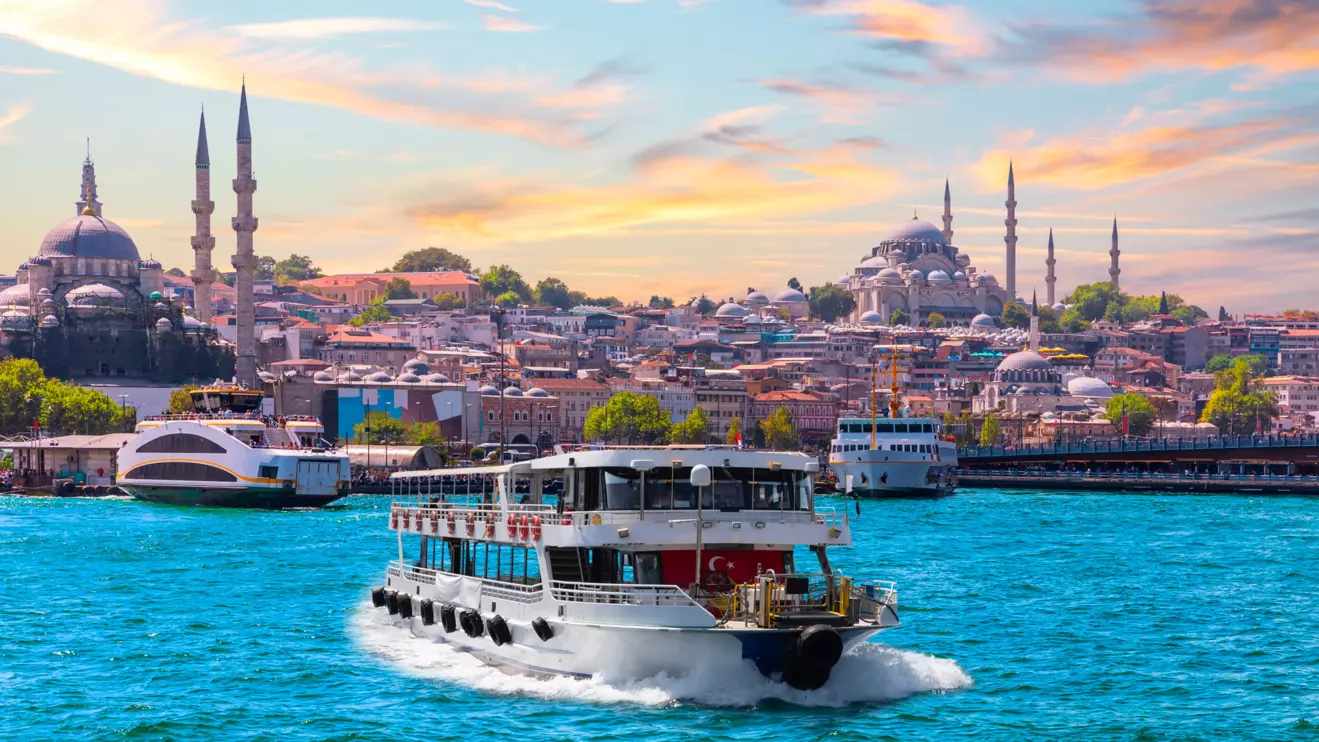
Istanbul, Turkey © Mena Today 

Istanbul, Turkey © Mena Today 

Foreign ministers from seven major European and Middle Eastern countries will meet in Istanbul on Friday to discuss key regional security issues, a Turkish diplomatic source said on Thursday.

The meeting will bring together the top diplomats of France, Britain and Germany, as well as Turkey, Saudi Arabia, Pakistan and Egypt. According to the Turkish source, talks will focus primarily on the Palestinian question, the situation in the Strait of Hormuz, developments in Yemen and efforts to end the war between Russia and Ukraine.

Turkey, which initiated the meeting, is increasingly asserting itself as a leading regional power. In August, it founded a defence agreement with Pakistan and Saudi Arabia known as the Mecca Pact. Egypt has been mentioned as a possible member but has not joined so far.

Turkish Foreign Minister Hakan Fidan will stress during the meeting that regional security requires, above all, that the countries of the region take responsibility, the source said.

Listening, without naivety

Yet Ankara is hardly a neutral broker. Over the past three years, President Recep Tayyip Erdogan has become one of Israel’s fiercest critics.

Against this backdrop, the ministers gathered in Istanbul will need to avoid lending their endorsement to the Turkish government’s strategy, particularly on the Palestinian issue and Lebanon.

Listening, yes. Being naive, no.

Bruno Finel

Bruno Finel

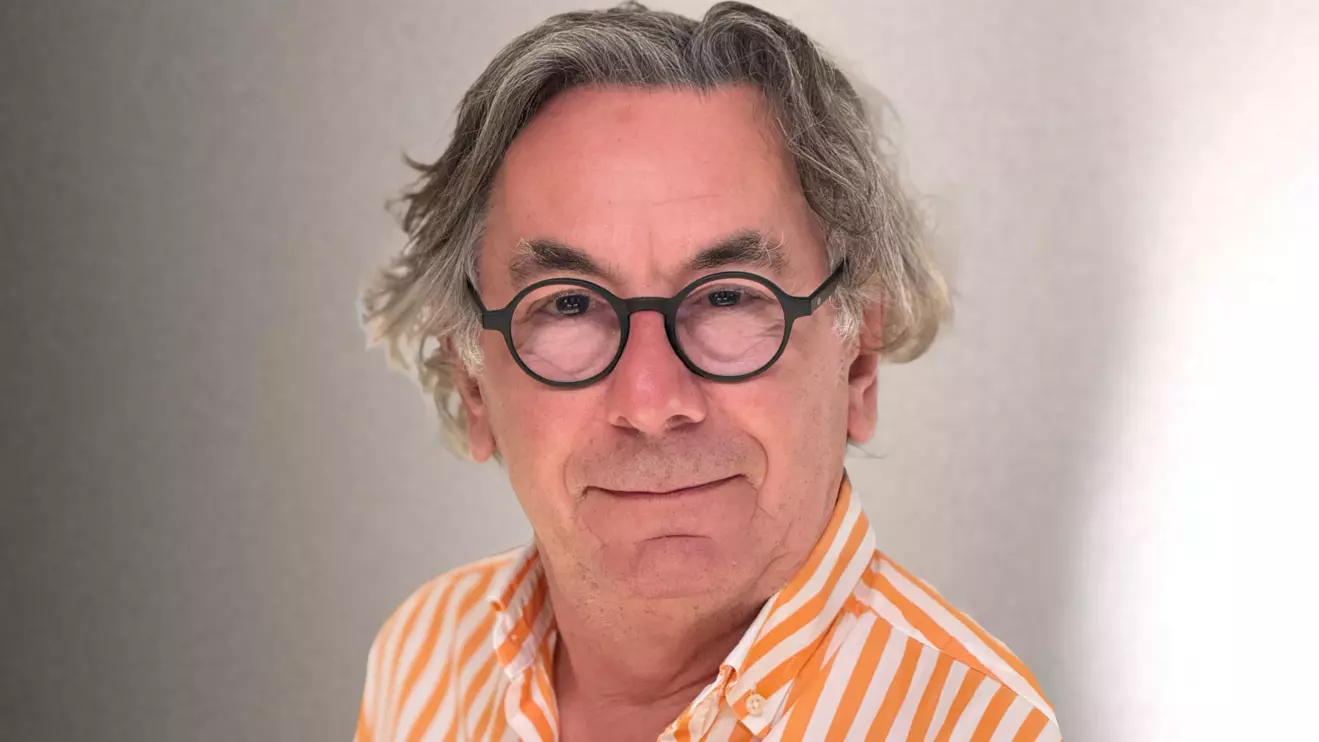
Bruno Finel is the editor-in-chief of Mena Today. He has extensive experience in the Middle East and North Africa, with several decades of reporting on current affairs in the region.

Related

Gaza

UN rapporteur calls on Jakarta to step back from Gaza board

Indonesia should reconsider its involvement in US President Donald Trump's Gaza peace plan because it is being shaped by Israel and the US and lacks a Palestinian voice, the United Nations special rapporteur on human rights in the occupied Palestinian territories told Reuters on Thursday.

Israel

Golan Druze break a long-held taboo by turning to Israeli citizenship

For decades, voting in Israeli elections was off-limits for the Druze of the Golan Heights, who remained loyal to Syria. That taboo is now crumbling: 45% of the community holds Israeli citizenship today, compared with just 2% forty years ago, according to Ici Beyrouth.

Israel

Israel’s election and the Palestinians: change or continuity?

Israeli Prime Minister Benjamin Netanyahu and his main opponent Gadi Eisenkot both oppose an independent Palestinian state, meaning next week's election is unlikely to produce a sweeping shift in policies that have hampered a decades-old peace process.

Subscribe to our newsletter

Mena banner 4

To make this website run properly and to improve your experience, we use cookies. For more detailed information, please check our Cookie Policy.

  • Necessary cookies enable core functionality. The website cannot function properly without these cookies, and can only be disabled by changing your browser preferences.