
Hamas
Israeli commandos capture Hamas official
Israeli special forces captured a Hamas militant leader in a raid in Gaza City on Tuesday while Israeli air strikes meant to protect those troops killed four Palestinians, authorities said.

Officially, Europe is outraged. Diplomats queue at microphones to denounce Israel’s conduct, lawmakers compete over who can issue the sternest rebuke, and foreign ministries draft statements soaked in moral urgency.
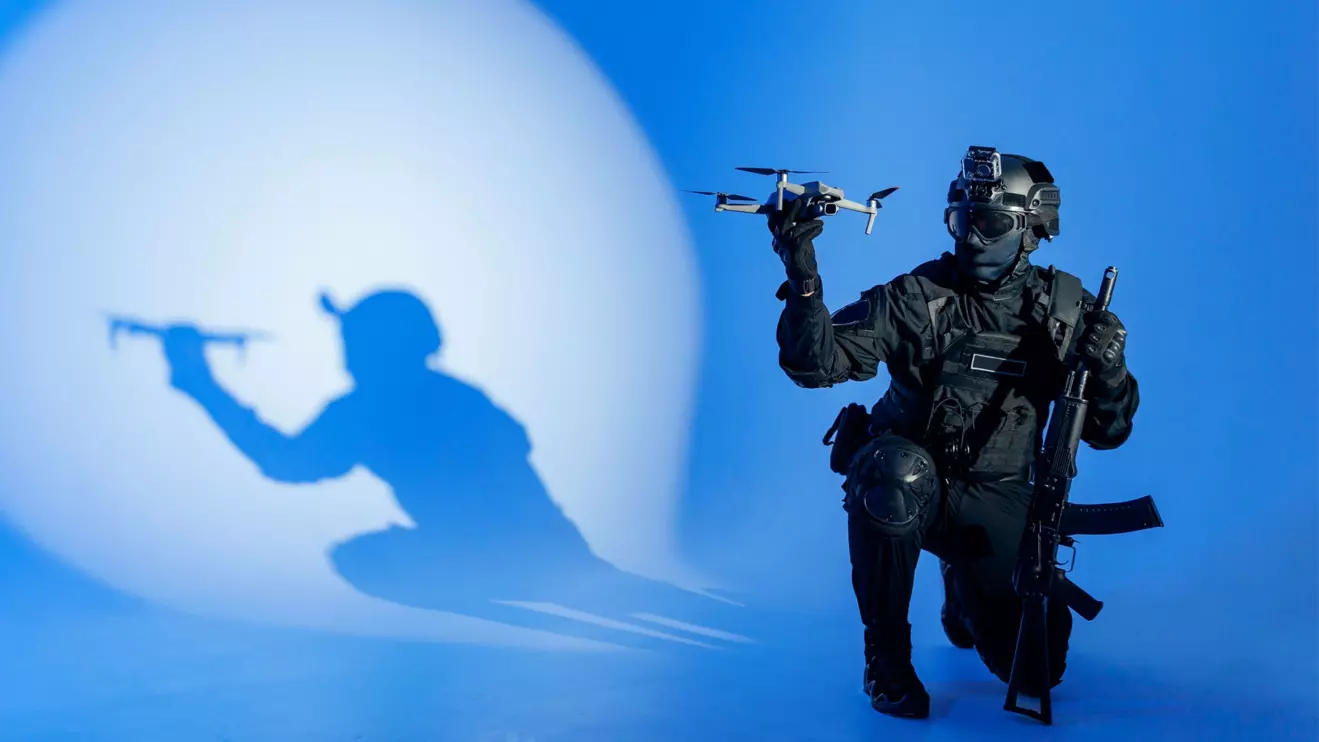
Israel has known for decades what Europe is discovering late © Mena Today
Officially, Europe is outraged. Diplomats queue at microphones to denounce Israel’s conduct, lawmakers compete over who can issue the sternest rebuke, and foreign ministries draft statements soaked in moral urgency.
Unofficially? Europe is shopping.
Behind closed doors, away from the cameras and the carefully worded condemnations, European governments are lining up to acquire exactly the systems Israel refined in Gaza and along its northern front. The dynamic is not new, but the scale is: Europe now accounts for more than half of Israel’s defense exports, a figure unthinkable just five years ago.
The contrast between public posture and procurement reality could not be sharper.
Tel Aviv, This Week: Europe’s Buyers’ Club
At a Defense Ministry conference in Tel Aviv, delegations from Germany, Norway, the U.K., and several NATO states crowded around Israeli engineers and officers, studying tools shaped in real battle:
• loitering munitions
• autonomous drone platforms
• high-energy laser air defenses
• and the Arrow-3 long-range interceptor — already deployed on German soil after a record-setting $4 billion deal
No lecturing. No political theater. Just procurement teams absorbing briefings from a country they have spent the past year criticizing.
For Europe, facing a belligerent Russia, thinning ammunition reserves, and air-defense systems that belong in museums, “values-based” restrictions vanished the moment the ceasefire began.
Europe Wants Systems That Work — Not Ones That Sound Good
The reason is simple: Israel’s tech works.
Europe’s does not , or at least not at the scale or speed required.
Russia’s drone and missile barrages exposed Europe’s vulnerabilities overnight. Old Patriot systems, sluggish procurement cycles, and undersupplied industries cannot meet the challenge.
Suddenly, the continent that once lectured Israel about restraint is discovering the value of systems tested under the harshest battlefield conditions anywhere in the democratic world.
The numbers underscore the shift:
• 54% of Israeli defense exports now flow to Europe
• $14.8 billion in Israeli arms sales last year — an all-time record
• Germany’s Arrow-3 purchase: the largest military deal in Israel’s history
• States that once halted cooperation on “ethical grounds” quietly resumed it the moment geopolitical reality intruded
Europe’s moral outrage, it turns out, has an expiration date, typically whenever Moscow fires another wave of drones at Ukrainian cities.
The Harsh Lesson Europe Has Had to Learn
Israel has known for decades what Europe is discovering late:
Security is not a slogan.
Deterrence is not a press release.
Defense systems are not “real” until they have survived actual combat.
Europe had spent years optimizing for diplomatic signaling and budget discipline. Israel, by contrast, innovated under conditions of existential pressure. The results speak for themselves.
When Democracies Need Protection, They All End Up in the Same Line
The quiet reality, acknowledged privately even in European capitals, is that the continent is not turning to Brussels, Paris, or Berlin for rapid answers. It is turning to Tel Aviv.
Because public virtue signaling can dominate headlines, but private procurement tells the truth:
Europe buys from Israel because Israel’s systems don’t just look good in brochures — they keep people alive.
The divide between Europe’s public criticism and its private reliance on Israeli defense technology has never been wider. It is an uncomfortable truth for Western leaders who speak in moral absolutes yet purchase in pragmatic terms.
But the pattern is unmistakable: When the world’s democracies need real defenses, fast, reliable, and tested under fire, they end up choosing the same supplier.
Public morals. Private pragmatism.
Europe’s security strategy today is built on both, but only one of them actually works.
Israeli special forces captured a Hamas militant leader in a raid in Gaza City on Tuesday while Israeli air strikes meant to protect those troops killed four Palestinians, authorities said.
Israel's political scene keeps splintering ahead of the October 27 vote, with retired Brigadier General Ofer Winter becoming the latest figure to enter the race, launching a new party, Amcha Israel.
Jordan's King Abdullah II has expressed his "full support" for the international conference backing Lebanon's armed forces and Internal Security Forces (ISF), for which a preparatory meeting is set to take place in Paris on September 17.
To make this website run properly and to improve your experience, we use cookies. For more detailed information, please check our Cookie Policy.
Necessary cookies enable core functionality. The website cannot function properly without these cookies, and can only be disabled by changing your browser preferences.