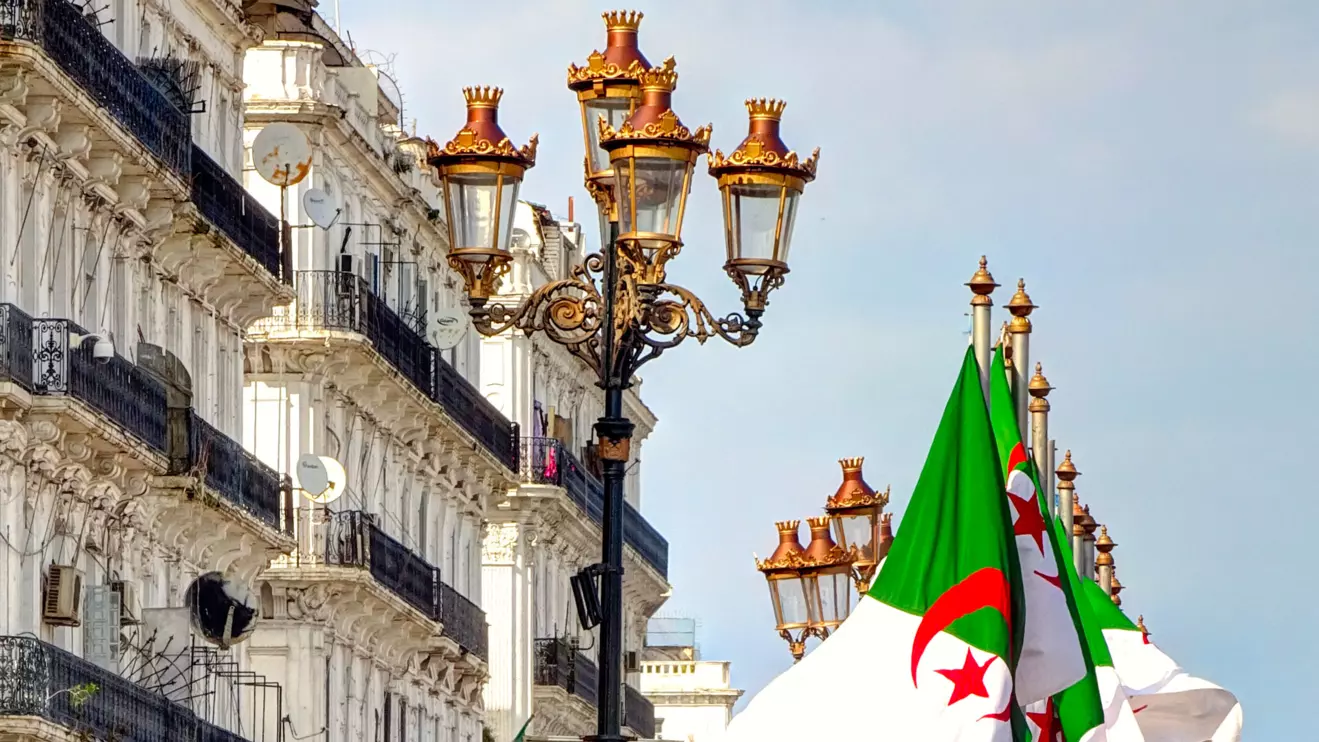
France has announced the return of its ambassador to Algeria, as French Armed Forces Minister Alice Rufo and ambassador Stéphane Romatet - recalled to Paris by President Emmanuel Macron in April 2025 - arrived Friday in Sétif, marking the beginning of a carefully choreographed diplomatic reconciliation.
The choice of Sétif was deliberate and loaded with history. It was here, on 8 May 1945, that French forces carried out a brutal crackdown on Algerian demonstrators, in massacres that also spread to Guelma and Kherrata. Algeria puts the death toll at 45,000. French sources cite figures ranging from 1,500 to 20,000, including 103 Europeans. The wound has never fully healed.
"The lucidity with which France looks at history must today allow us to build confident and promising relations for the future, in the interest of both the French and Algerian peoples," the Élysée Palace stated.
A crisis rooted in the Western Sahara
The diplomatic rupture that began nearly two years ago was triggered primarily by France's support for Morocco's autonomy plan for Western Sahara, a position Algiers views as a direct affront, given its longstanding support for the Sahrawi independence movement.
The relationship between the two countries has lurched from crisis to crisis for decades, making any genuine normalisation a significant diplomatic achievement.
What makes this bilateral relationship unlike any other for France is its profound human dimension. Nearly two million people of Algerian origin live in France, one of the largest diaspora communities in Europe.
The state of Franco-Algerian relations affects consular services, family ties, economic exchanges and social cohesion in ways that no other bilateral relationship quite replicates.
Rufo will meet Algerian authorities to discuss "the next steps in consolidating bilateral relations" — a cautious formulation that reflects both the genuine desire for rapprochement and the depth of the distrust that still separates Paris and Algiers.