Hezbollah
Hezbollah's ceasefire spin: A master class in turning defeat into victory
The ink on the Lebanon-Israel ceasefire had barely dried when Hezbollah's leader Sheikh Naim Kassem took to the airwaves, not to welcome peace, but to claim triumph.
The office of France's anti-terrorism prosecutor said on Friday it would appeal against a French court's decision to grant the release of a Lebanese militant jailed for attacks on U.S. and Israeli diplomats in France in the early 1980s.
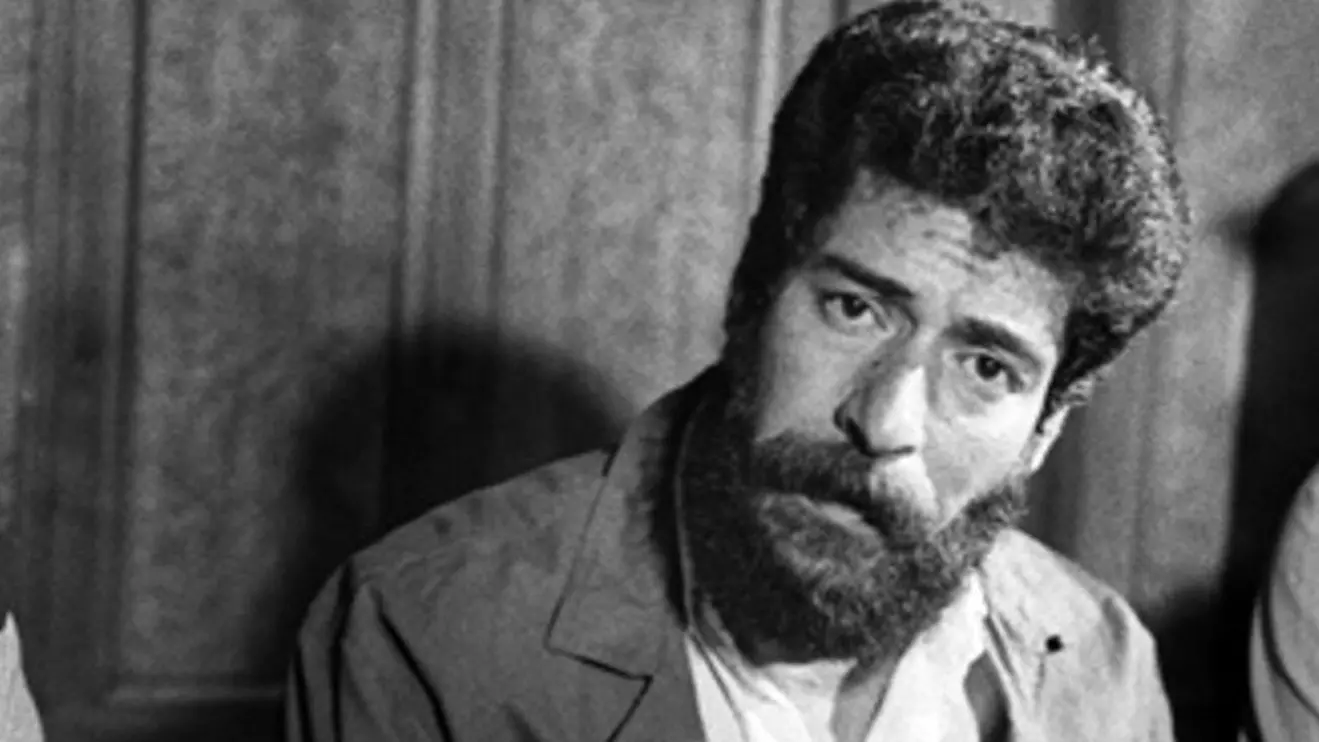
Georges Ibrahim Abdallah in 1986 © FZE
The office of France's anti-terrorism prosecutor said on Friday it would appeal against a French court's decision to grant the release of a Lebanese militant jailed for attacks on U.S. and Israeli diplomats in France in the early 1980s.
PNAT said Georges Ibrahim Abdallah, a former head of the Lebanese Armed Revolutionary Brigade, would be released on Dec. 6 under the court's decision on condition that he leave France and not return.
Abdallah was given a life sentence in 1987 for his role in the murders of U.S. diplomat Charles Ray in Paris and Israeli diplomat Yacov Barsimantov in 1982, and in the attempted murder of U.S. Consul General Robert Homme in Strasbourg in 1984.
Representatives for the embassies of the United States and Israel, as well as the Ministry of Justice, did not immediately respond to requests for comment.
Requests for Abdallah's release have been rejected and annulled multiple times, including in 2003, 2012 and 2014.
Reporting by Sudip Kar-Gupta, Sophie Louet, Nicolas Delame and Makini Brice
The ink on the Lebanon-Israel ceasefire had barely dried when Hezbollah's leader Sheikh Naim Kassem took to the airwaves, not to welcome peace, but to claim triumph.
A French soldier was killed and three others wounded while clearing a road in southern Lebanon in an attack that UNIFIL peacekeepers and French officials said on Saturday was likely carried out by Iran-backed Hezbollah.
The Israeli army announced Saturday the establishment of a "yellow line" of demarcation in southern Lebanon, mirroring a similar boundary drawn in Gaza.
To make this website run properly and to improve your experience, we use cookies. For more detailed information, please check our Cookie Policy.
Necessary cookies enable core functionality. The website cannot function properly without these cookies, and can only be disabled by changing your browser preferences.