
From narco-state to recovery: Syria’s war on drugs begins

1 min Mena Today

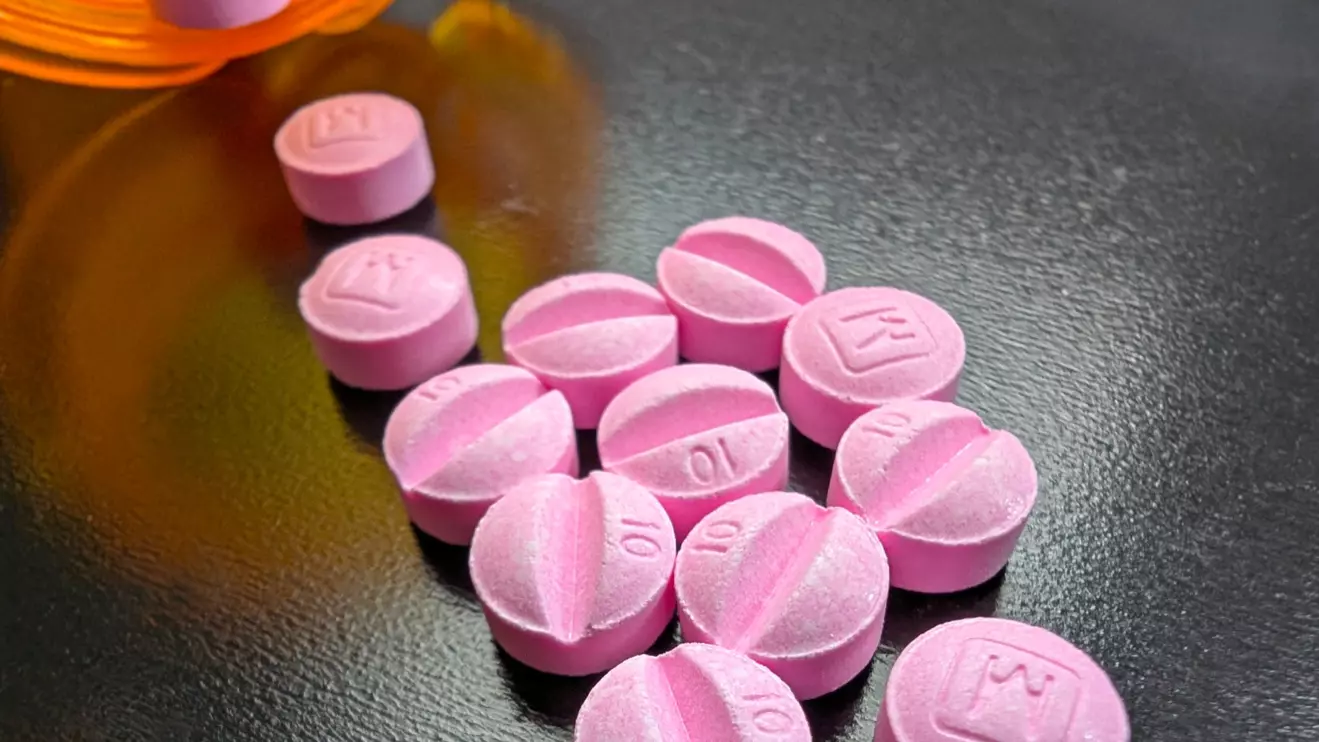
In a decisive move against the remnants of Syria’s narco-state legacy, the new Syrian authorities torched a massive stockpile of narcotics on Wednesday, including over one million pills of captagon—an amphetamine widely produced under the regime of Bashar al-Assad.

Assad’s regime had long been accused of turning Syria into a narco-state, with industrial-scale captagon production © Mena Today 

Assad’s regime had long been accused of turning Syria into a narco-state, with industrial-scale captagon production © Mena Today 

In a decisive move against the remnants of Syria’s narco-state legacy, the new Syrian authorities torched a massive stockpile of narcotics on Wednesday, including over one million pills of captagon—an amphetamine widely produced under the regime of Bashar al-Assad.

The scene unfolded in the courtyard of former regime security offices in Damascus, where masked security personnel, dressed in khaki uniforms, doused piles of drugs with fuel before setting them ablaze. The destruction included cannabis, tramadol boxes, and dozens of bags filled with captagon pills.

The crackdown follows the dramatic fall of Bashar al-Assad’s regime. On December 8, a coalition of rebel forces, led by the Islamist group Hay'at Tahrir al-Sham (HTC), seized Damascus in a rapid 11-day offensive. Assad, abandoned by his Russian and Iranian allies, fled to Moscow, ending over 50 years of Assad family rule.

Assad’s regime had long been accused of turning Syria into a narco-state, with industrial-scale captagon production fueling a multibillion-dollar drug trade that flooded markets across the Middle East, from Iraq to Saudi Arabia. Several key regime figures faced U.S. sanctions for their role in this illicit trade.

Syria’s conflict, which began in 2011 after a brutal crackdown on pro-democracy protests, has left over half a million dead and millions displaced. As the new authorities work to rebuild the country, dismantling the remnants of Assad’s drug empire is a critical first step.

Tags

Related

Syria

Israel finishes Sufa 53 line in Quneitra

Qatar, Jordan and Kuwait on Sunday condemned Israel's completion of work on the so-called "Sufa 53 Line" in Syria's Quneitra province. The three states said the project violates Syrian sovereignty, international law and the 1974 Disengagement Agreement.

Jordan

Jordan's King calls Rubio over Lebanon and Syria

Jordan's King Abdullah II spoke by phone Friday with US Secretary of State Marco Rubio, discussing Lebanon, including the framework agreement between Beirut and Israel signed in late June and the disarmament of Hezbollah, according to official US and Jordanian statements. 

Subscribe to our newsletter

Mena banner 4

To make this website run properly and to improve your experience, we use cookies. For more detailed information, please check our Cookie Policy.

  • Necessary cookies enable core functionality. The website cannot function properly without these cookies, and can only be disabled by changing your browser preferences.
