Iran and the United States have taken tentative steps toward a deal, but a final agreement remains far out of reach, according to one of Tehran's most powerful political figures.
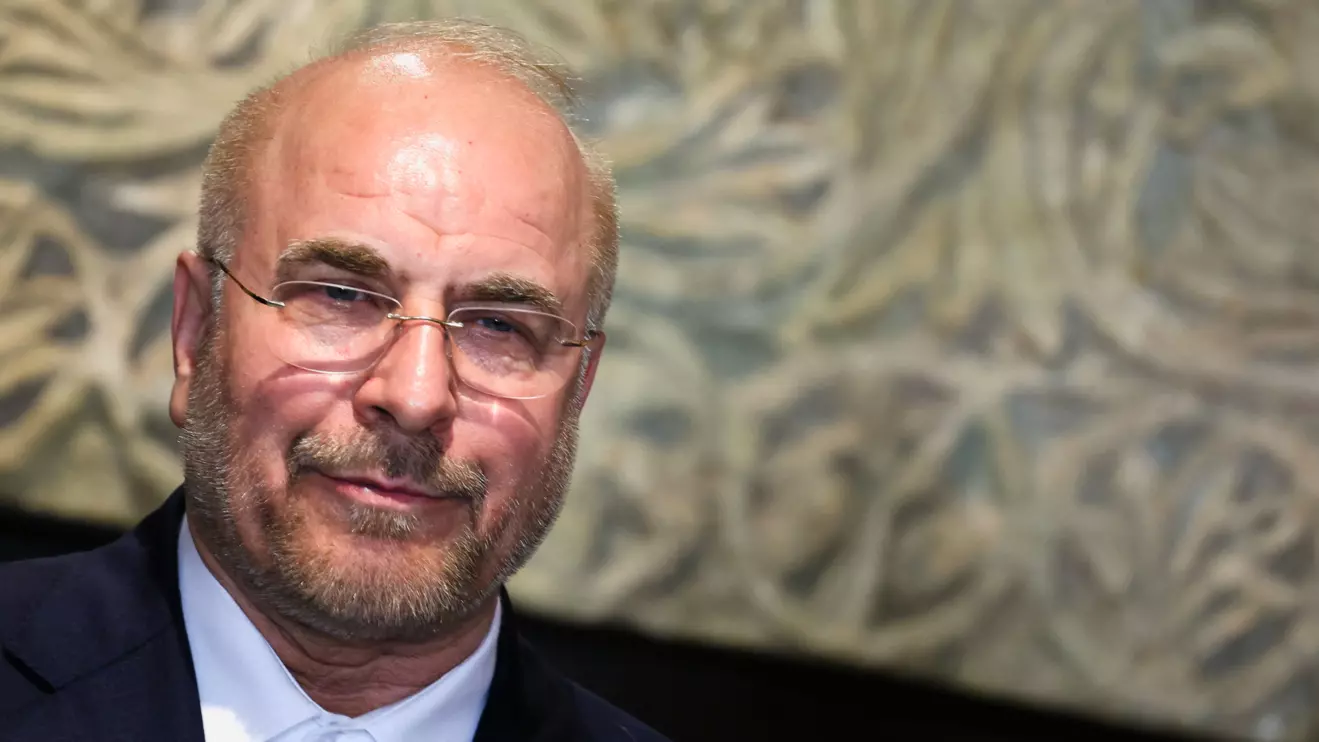
Mohammad Bagher Ghalibaf, Speaker of the Iranian Parliament and a key participant in the landmark Islamabad negotiations of April 11-12, delivered a candid assessment in a lengthy television interview: "We have made progress in the negotiations, but many differences remain and certain fundamental points are still unresolved. We are still far from closing the debate."
The Islamabad meeting, the most senior direct engagement between the two countries since Iran's 1979 Islamic Revolution, brought Iranian negotiators face to face with a US delegation led by Vice President JD Vance.
Yet despite the historic nature of the encounter, Ghalibaf made no attempt to mask Tehran's deep suspicion of Washington. "We have absolutely no confidence in the United States", he stated bluntly, adding that America must "abandon unilateralism and the spirit of imposition in its approach to dialogue" if it hopes to earn Iranian trust.
Iran's Ceasefire Narrative
On the ten-day ceasefire that came into force on April 8, Ghalibaf echoed the defiant tone of Hezbollah's Kassem — insisting that Iran accepted the truce from a position of strength, not weakness. "We were victorious on the ground, the enemy had achieved none of its objectives, and Iran also controlled the Strait of Hormuz.
We accepted the ceasefire because they had accepted our demands."
The gap between progress and peace remains vast. With fundamental disagreements unresolved, zero institutional trust between the parties and Tehran's insistence that Washington must change its negotiating posture before any deal is possible, the road to a durable agreement looks as long as ever.
Talks are continuing. But so is the mistrust.