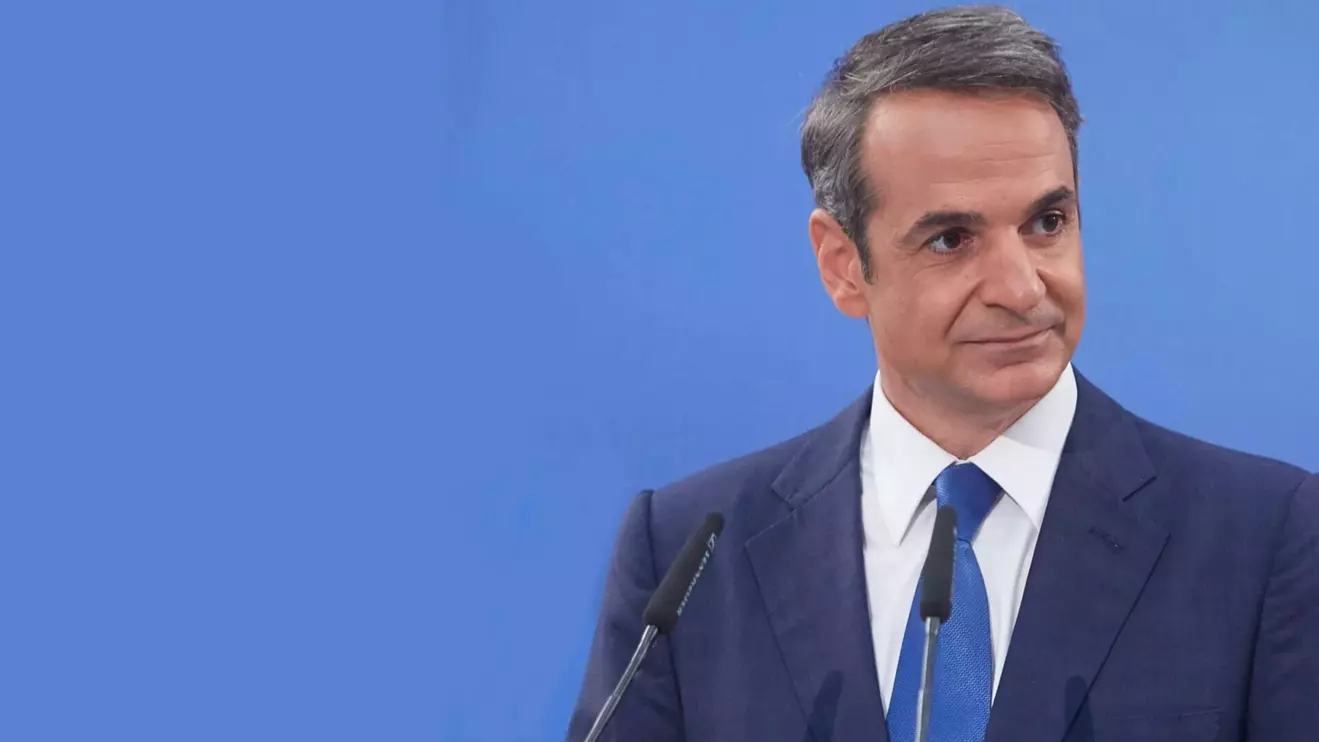
In a significant step towards warming relations, Greek Prime Minister Kyriakos Mitsotakis is scheduled to meet with Turkish President Recep Tayyip Erdogan in Ankara.
This meeting, following Erdogan's visit to Greece in December, marks a new phase in the long-standing complex relationship between the two NATO members.
Relations between Athens and Ankara have been characterized by decades of mutual reproach and tensions, interspersed with brief periods of reconciliation. The leaders' dialogue is part of what President Erdogan described as a "problem-solving phase," signaling a potentially transformative era for both nations.
In their December meeting, despite ongoing disputes over issues like the Cyprus division, Eastern Mediterranean rights, and migration in their respective waters, both leaders signed a declaration on "friendly relations and good neighborliness," acknowledging the importance of mutual respect and peaceful coexistence.
Despite the current phase of détente, sparked by the devastating earthquake in southeastern Turkey in February 2023, tensions were reignited over the recent re-conversion of the former Orthodox Christian church, Saint-Sauveur-in-Chora in Istanbul, into a mosque.
The move, ordered by Erdogan in August 2020 shortly after a similar transformation of the Hagia Sophia, drew sharp criticism from Mitsotakis who expressed "strong dissatisfaction" with the decision, emphasizing the city's historical significance as the capital of Byzantium and Orthodoxy.
Ahead of his upcoming visit, Prime Minister Mitsotakis has vowed to request Erdogan to reverse the mosque conversion decision, maintaining that "open channels must be kept" for dialogue. This sentiment is echoed by Greek Foreign Minister Giorgos Gerapetritis, who emphasized the necessity of a calm period in Greek-Turkish relations.
On a positive note, both countries have committed to upholding the agreements made last December and exploring further political will for upcoming steps. They have also implemented special visa provisions for Turkish tourists visiting Aegean islands near Turkish coasts, which have already tripled Turkish tourist arrivals compared to last year.
As Mitsotakis prepares for his visit, the focus is not only on resolving historical disputes but also on enhancing bilateral trade, with aspirations to increase it from nearly six billion dollars to ten billion. Despite past challenges, the forthcoming dialogue in Ankara offers a hopeful prospect for both Greece and Turkey to forge a path towards sustained peace and cooperation.