Libya
Libyan war crimes suspect transferred from Germany to The Hague, ICC says
A Libyan war crimes suspect was transferred from Germany to The Hague and put into the custody of the International Criminal Court (ICC), the ICC said on Monday.
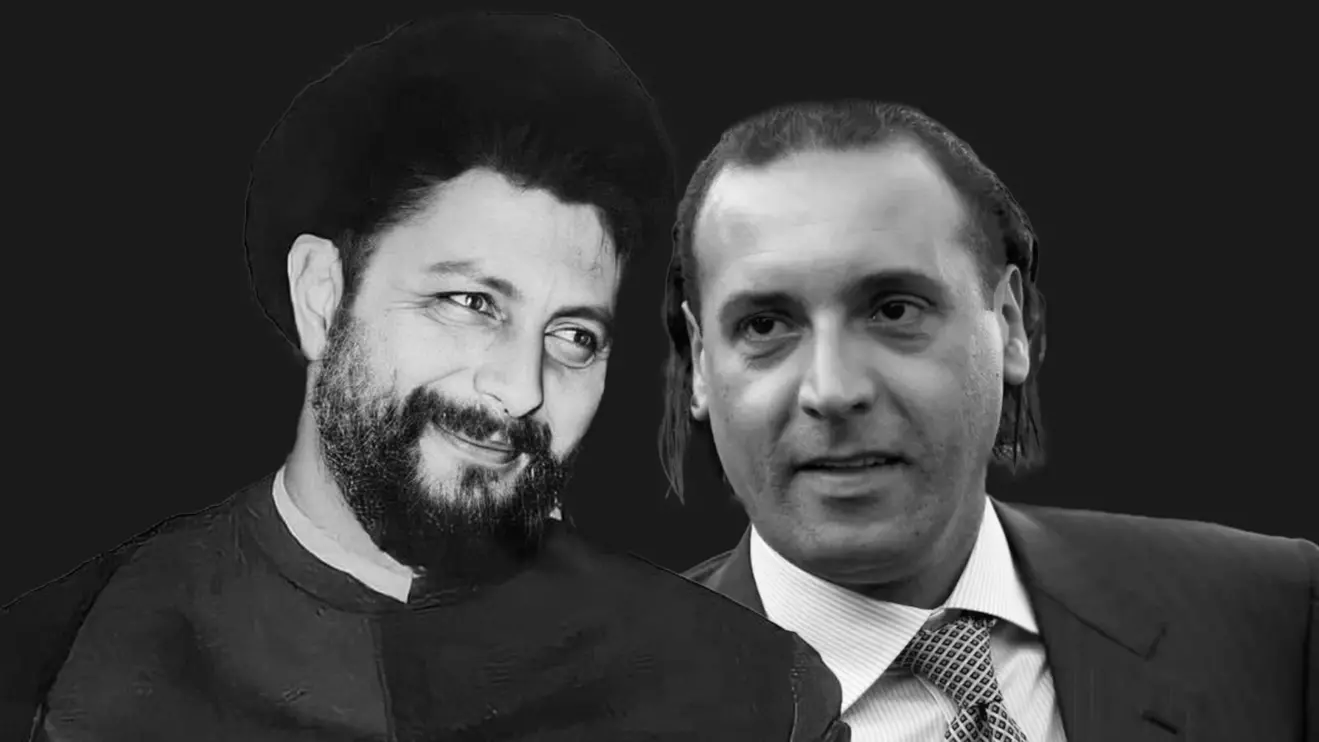
A Lebanese investigative judge on Friday ordered the release of Hannibal Gaddafi, son of the late Libyan leader Muammar Gaddafi, on bail set at $11 million, while maintaining a travel ban preventing him from leaving the country.
Moussa Sadr (L) and Hannibal Gaddafi © Mena Today
A Lebanese investigative judge on Friday ordered the release of Hannibal Gaddafi, son of the late Libyan leader Muammar Gaddafi, on bail set at $11 million, while maintaining a travel ban preventing him from leaving the country.
Hannibal Gaddafi, who is married to a Lebanese national, has been detained in Lebanon since December 2015. He was arrested on charges of withholding information related to the 1978 disappearance of prominent Lebanese Shiite cleric Imam Moussa Sadr and two of his companions.
Imam Moussa Sadr, a highly influential religious and political figure, was the founder of the Amal Movement, one of Lebanon’s leading Shiite political organizations.
He vanished in Libya in August 1978, along with journalist Abbas Badreddine and Sheikh Mohammad Yaacoub, during an official visit. The mystery surrounding their disappearance remains a deeply sensitive and unresolved issue in Lebanon, especially among the Shiite community.
The Lebanese judiciary suspects that Hannibal Gaddafi, as a member of the inner circle of the former Libyan regime, may possess key information regarding the fate of Sadr and his companions. Gaddafi has denied any involvement, claiming he was a child at the time of the disappearance.
Despite the bail decision, the investigation into the case continues. Lebanese authorities have reiterated that Hannibal Gaddafi must remain in the country and be available for questioning as needed.
A Libyan war crimes suspect was transferred from Germany to The Hague and put into the custody of the International Criminal Court (ICC), the ICC said on Monday.
Pope Leo will meet with leaders from Lebanon's diverse religious sects on Monday, where he is expected to urge them not to flee the country despite years of conflict, political paralysis and economic crisis that have prompted waves of migration.
Pope Leo arrived in Lebanon on Sunday, where he is expected to appeal for peace in a country that is a continued target of Israeli air strikes, on the second and final leg of his first overseas trip as leader of the Catholic Church.
To make this website run properly and to improve your experience, we use cookies. For more detailed information, please check our Cookie Policy.
Necessary cookies enable core functionality. The website cannot function properly without these cookies, and can only be disabled by changing your browser preferences.