Tehran has informed intermediaries that Lebanon and Hezbollah must be included in any ceasefire agreement with the United States and Israel, according to regional sources familiar with Iran's position.
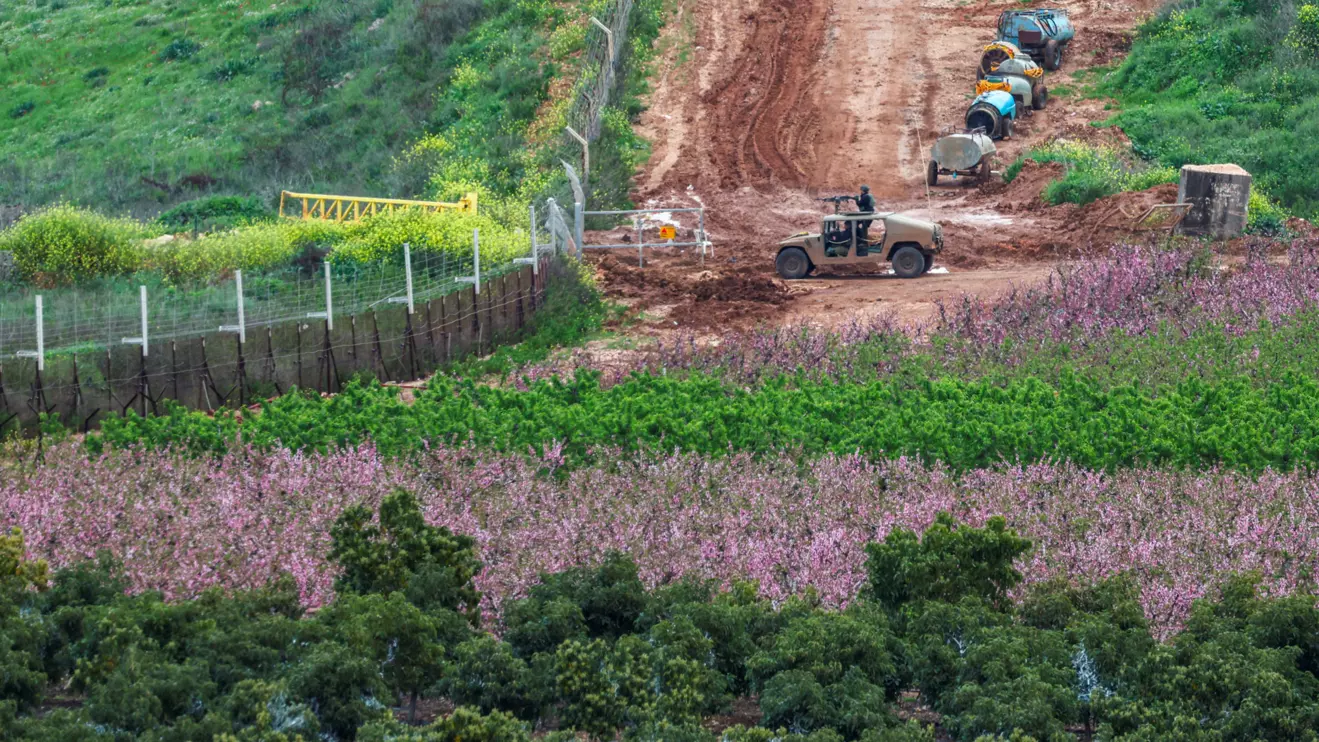
Iran's demand is rooted in its foundational ties to Hezbollah, which it created in 1982 through the Revolutionary Guards. When Hezbollah opened fire on Israel on March 2nd in solidarity with Tehran, it triggered a devastating Israeli air and ground campaign that has since killed over 1,000 people in Lebanon and displaced more than a million.
Hezbollah's own calculations, according to Lebanese sources, were based on two assumptions: that Iran's leadership would survive the war, and that a regional ceasefire would include the group. Tehran has reportedly given Hezbollah "Iranian guarantees" of its inclusion in any wider deal.
But those demands have virtually no chance of being accepted. Israel has flatly stated it conducts no negotiations with "the Iranian terror regime," and Israeli military sources indicate strikes on Hezbollah will continue regardless of any Iran deal.
A senior Trump administration official stressed that disarming Hezbollah was "crucial to peace and stability in Lebanon." The Lebanese government itself has banned Hezbollah's military activities, declared Iran's ambassador persona non grata, and is pushing for the group's disarmament.
Iran is fighting for a proxy it can no longer fully protect, and demanding terms that none of the key players are willing to grant.