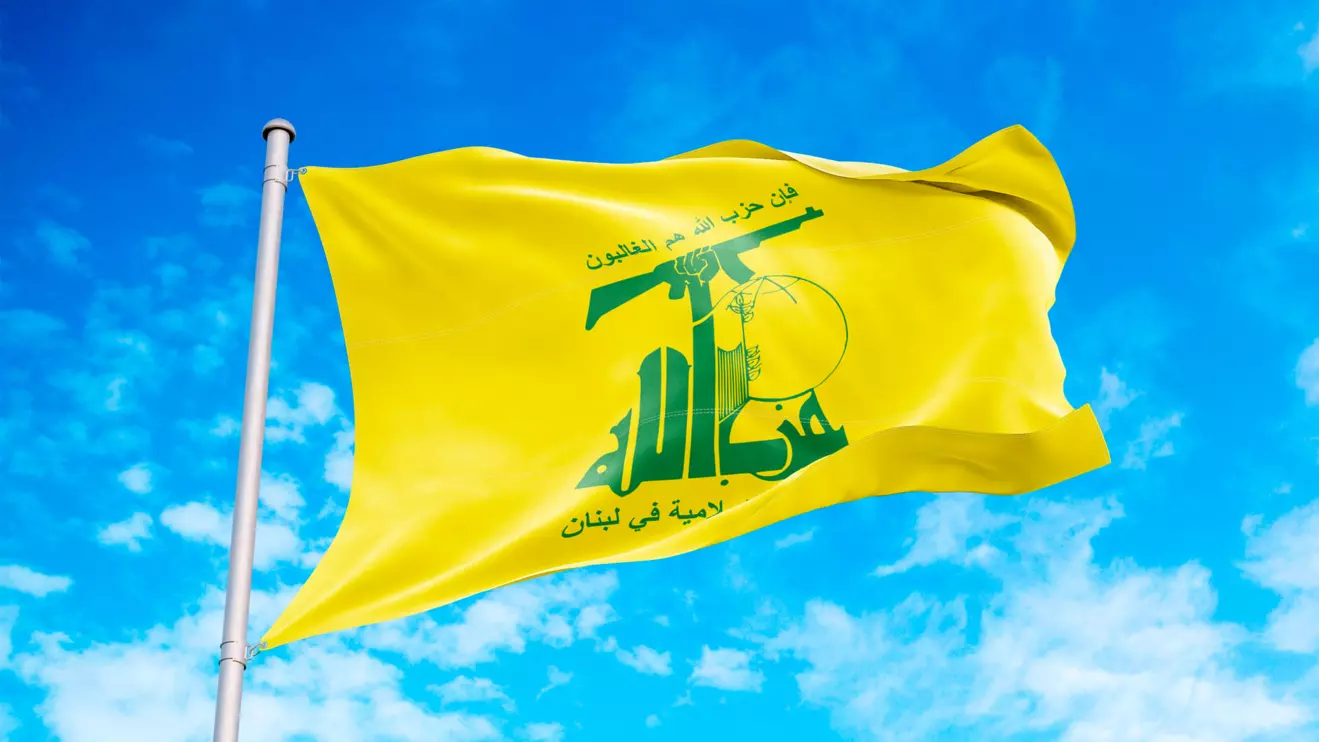
Lebanon's powerful Hezbollah movement announced on Thursday its readiness to engage in dialogue with the Lebanese government over a potential national defense strategy—a move that could mark a significant shift in the country's long-standing political and security dynamics.
In a brief statement, the Iran-backed group said it is prepared to enter discussions, but did not provide any concrete details about the framework, conditions, or timeline for such talks.
The announcement comes amid ongoing debates in Lebanon over Hezbollah's vast military arsenal and its autonomous role in national defense. The group, designated as a terrorist organization by several Western nations, maintains a powerful paramilitary wing that operates independently of the Lebanese Armed Forces.
For years, political rivals—particularly in the March 14 alliance—have called for integrating Hezbollah’s weapons under state authority as part of a unified defense strategy. Hezbollah has long resisted these calls, arguing that its arsenal is essential for resisting Israeli aggression and protecting Lebanon’s sovereignty.
Analysts view this recent statement as a potentially important, albeit cautious, signal. “It shows a degree of openness, but without clear terms or commitments, it remains symbolic,” said one Beirut-based political observer.
The Lebanese government has not yet officially responded to Hezbollah’s statement, and it remains unclear whether formal negotiations or consultations are imminent.
If serious talks do materialize, they could represent a rare opportunity to address one of Lebanon’s most divisive and complex security issues—though the path forward is likely to be fraught with political challenges, both domestically and regionally.