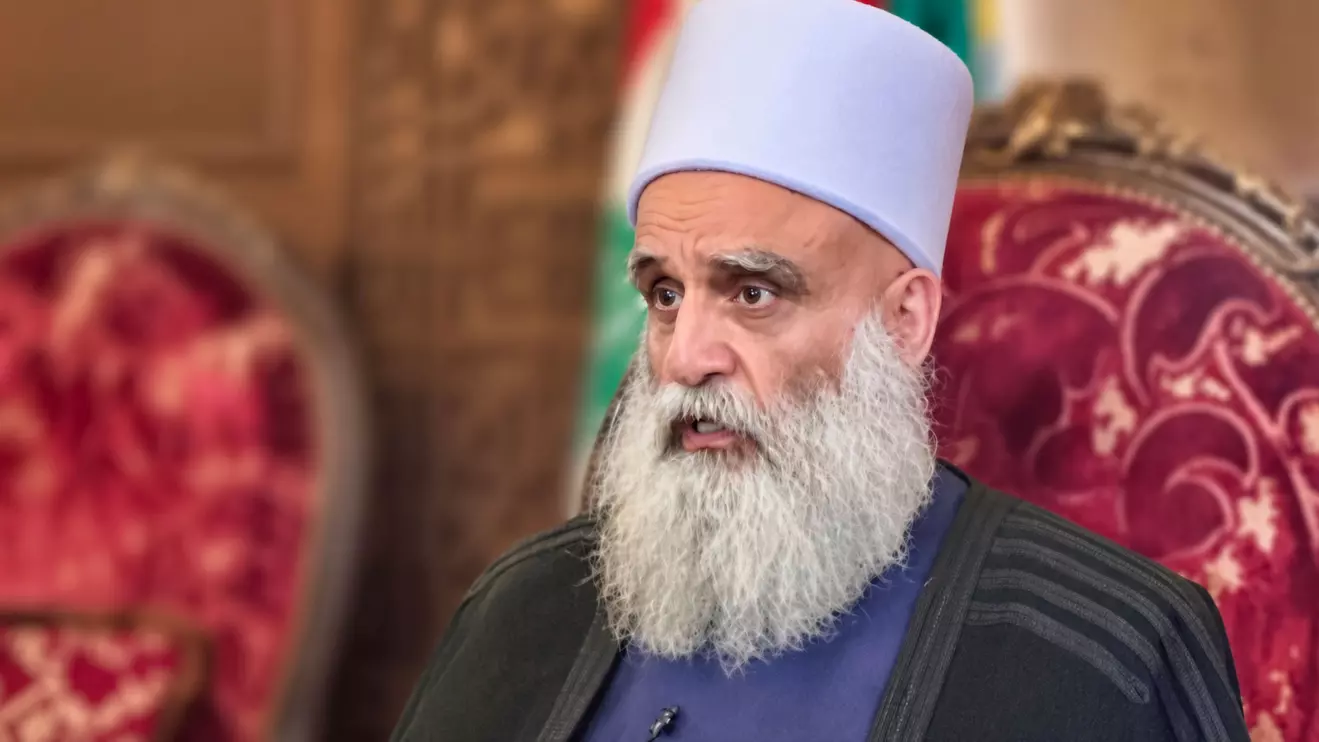
A day after criticizing the stalled progress on Hezbollah's disarmament, US Ambassador to Lebanon Michel Issa continued his diplomatic push Thursday, visiting the Druze Community House in Beirut for talks with Sheikh Akl Sami Abi el-Mona.
His message remained unchanged: Hezbollah is refusing to budge. "We constantly ask Israel to stop or reduce its strikes, but Hezbollah, on the other hand, is not taking a single step," Issa said, arguing that the Lebanese population largely agrees the group must hand over its weapons.
The previous day, he had warned Israeli strikes would continue until Hezbollah disarms, and suggested contacts - direct or indirect - exist between President Joseph Aoun and Hezbollah aimed at moving the file forward.
The Lebanon-Israel framework agreement, signed June 26, 2026 in Washington under US mediation, calls for the Lebanese army's deployment and the dismantling of Hezbollah infrastructure in designated "pilot zones."
But the group and its ally Amal continue to reject the deal outright, insisting they will not disarm unilaterally while Israel maintains positions in southern Lebanon and continues near-daily strikes.
The agreement has also drawn fire from Druze leader Walid Jumblatt, who has called it a "misstep" for the Lebanese state.
Asked about Jumblatt's criticism, Issa responded dismissively - "Jumblatt, one day he wants it, one day he doesn't" - prompting a sharp reply from Jumblatt on X, reaffirming his rejection of the framework in favor of upholding the 1949 armistice instead.