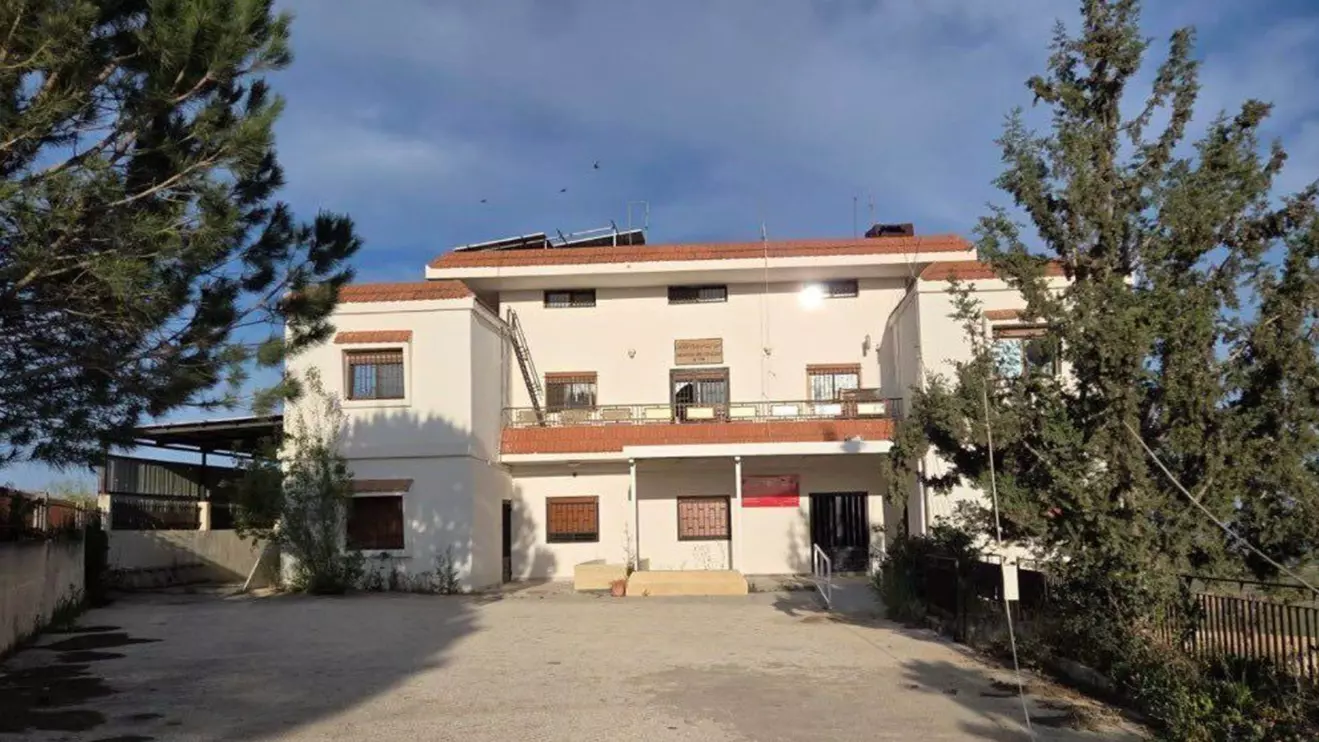
Israel has firmly rejected claims circulating on social media and in some media outlets that a monastery in Yaroun, in southern Lebanon, was demolished by Israeli forces, calling the reports "false" and demanding an immediate public correction.
"The site is intact and safe," Israel stated, warning that spreading unverified reports of this kind is "reckless, fuels unnecessary tension, and distorts the reality on the ground."
Hezbollah's use of civilian and religious sites
Israel used the denial to renew its accusations against Hezbollah, which it says has repeatedly used civilian homes and churches as cover for its military activities.
According to the Israeli military, Hezbollah fired toward Israel from the vicinity of the Yaroun monastery compound in recent weeks, a claim that, if accurate, would place the site squarely within a legitimate military context under international law.
"IDF operations in the area targeted Hezbollah infrastructure while taking measures to ensure the monastery and other religious sites remained unharmed," Israel said, adding that it "will continue to protect holy sites and religious communities of all faiths without compromise."
Israel's statement concludes with a pointed call for accountability: "We expect an immediate, public and clear correction of this claim."
The episode illustrates a familiar pattern in the information war surrounding the Lebanon conflict.
False or unverified reports of destruction of civilian and religious sites spread rapidly on social media, generating international outrage before facts can be established, a dynamic that both sides have sought to exploit, and that independent journalists on the ground have repeatedly struggled to verify in real time.