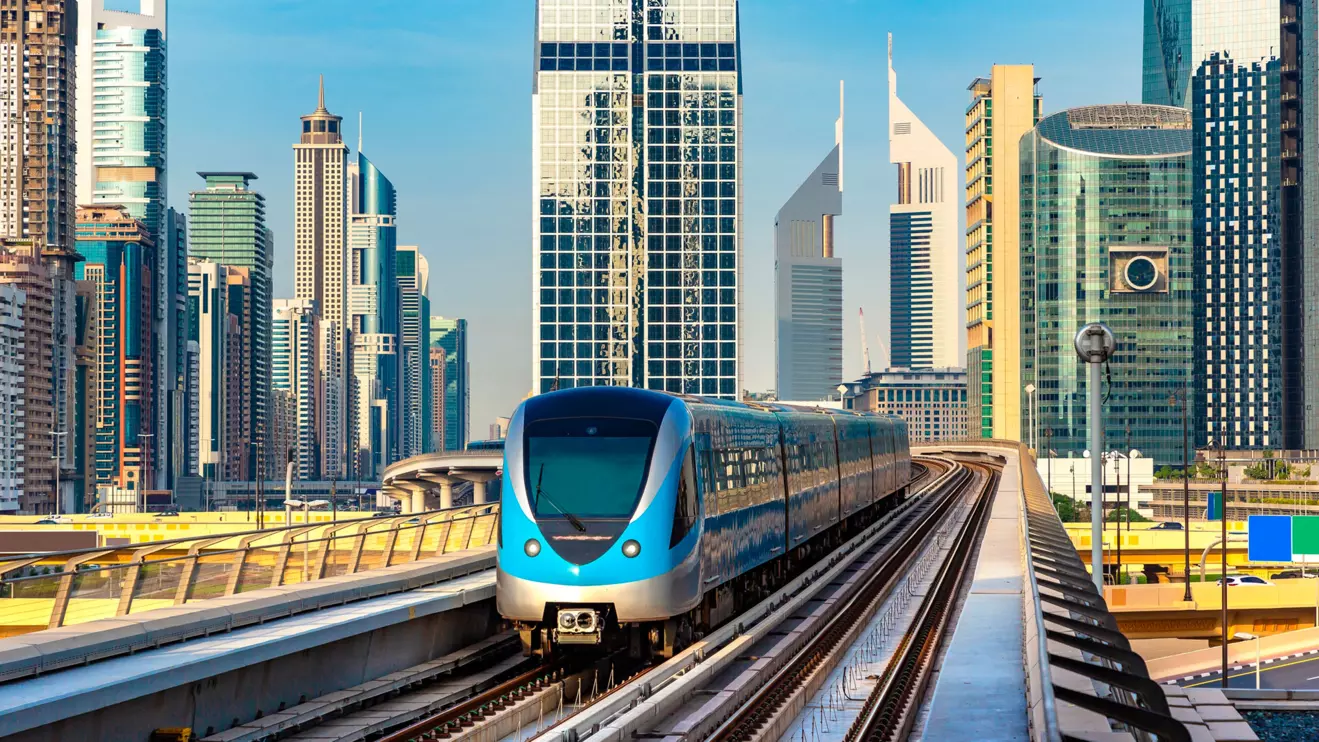
The United Arab Emirates has built a modern and integrated transport ecosystem supported by world-class infrastructure, including roads, bridges, metro, and tram networks.
In recent years, this system has been further strengthened by the rapid growth of smart mobility solutions such as electric scooters and bicycles.
These solutions offer a fast, affordable, and environmentally friendly option for short daily journeys related to work, leisure, and tourism.
Easy to use through smartphone applications, e-scooters and e-bikes help connect public transport stops with residential, commercial, and leisure areas, enhancing last-mile connectivity.
The UAE has also created a supportive environment for startups by developing the necessary infrastructure and regulations to ensure safe usage.
This approach has attracted local and international companies, reinforcing the country’s reputation as a hub for innovation and entrepreneurship.
Several startups have expanded their operations across the UAE to meet growing demand. One of the most notable success stories is Careem, founded in Dubai in 2012 and later acquired by Uber in 2019.
The company’s journey reflects the strength of the UAE’s startup ecosystem and its ability to support global-scale growth.
Cities have played a key role in this transformation. Abu Dhabi began licensing app-based scooter rentals in 2019 and has steadily expanded designated riding areas while promoting safety awareness.
The emirate is also investing heavily in cycling infrastructure, with plans to exceed 3,000 kilometres of cycling tracks by 2026.
In Dubai, electric scooters were introduced in phases starting in 2020. Usage has grown rapidly, supported by dedicated tracks and free permits issued through the Roads and Transport Authority. The city continues to adopt advanced technologies to improve safety, maintenance, and user experience.
Together, these initiatives highlight how smart mobility solutions are reshaping daily transport in the UAE, supporting sustainability goals, encouraging innovation, and enhancing quality of life for residents and visitors alike.