Iraq
Iraq devalues dinar
Iraq's central bank devalued the dinar against the dollar on Wednesday, the first time in more than three years, as the economic fallout from the Middle East war deepens.

Iraq signed $1 billion worth of investment agreements with the International Finance Corporation (IFC), part of the World Bank Group, as the country seeks to boost its economic recovery.
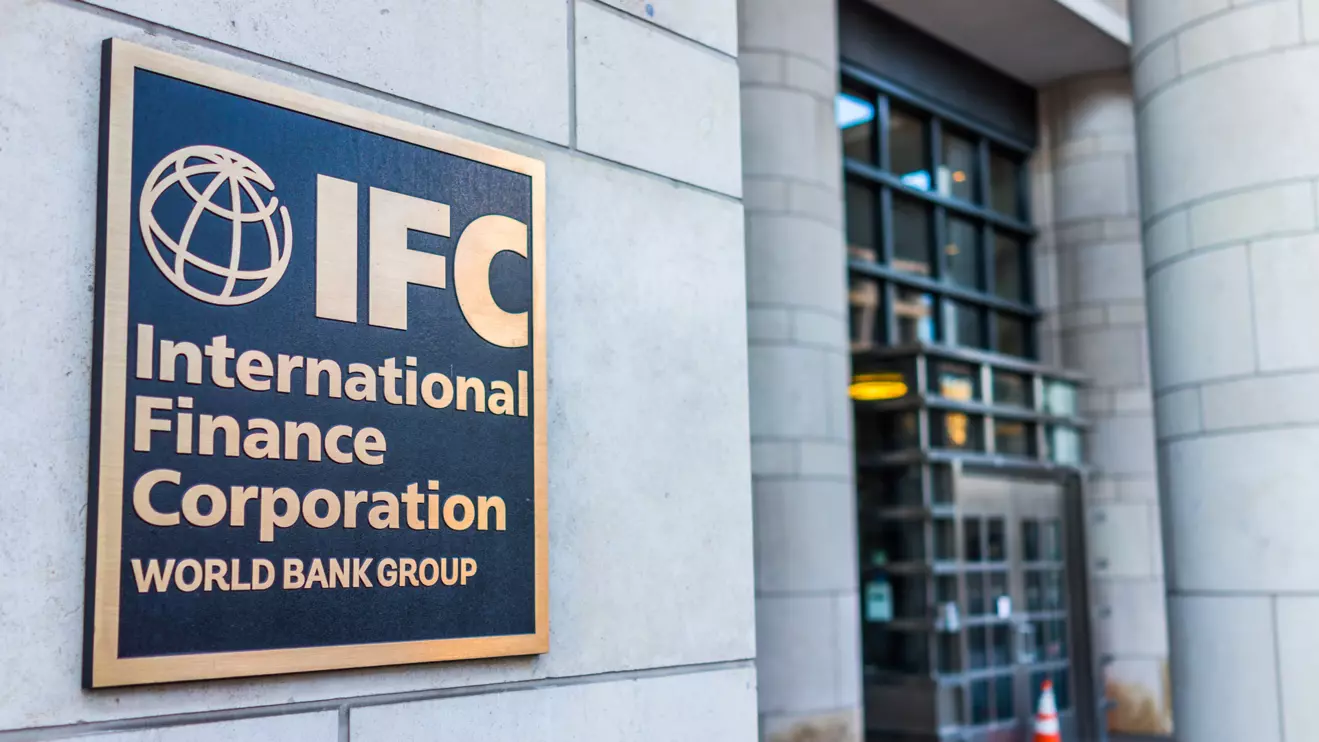
Since 2005, the IFC has invested and mobilized over $2.5 billion in Iraq © Mena Today
Iraq signed $1 billion worth of investment agreements with the International Finance Corporation (IFC), part of the World Bank Group, as the country seeks to boost its economic recovery.
The deals, announced Saturday during a ceremony marking 20 years of IFC’s presence in Iraq, cover energy, infrastructure, agribusiness, and finance. A major $500 million contract will focus on capturing and developing associated gas in Basra province.
Prime Minister Mohamed Shia al-Sudani highlighted the role of the private sector in reconstruction despite challenges of bureaucracy, corruption, and security risks.
Rich in oil but struggling with poor infrastructure and weak public services, Iraq is working to attract more investment to diversify its economy. The IMF has warned that growth outside the oil sector remains weak due to low productivity and limited capital investment.
Since 2005, the IFC has invested and mobilized over $2.5 billion in Iraq.
Iraq's central bank devalued the dinar against the dollar on Wednesday, the first time in more than three years, as the economic fallout from the Middle East war deepens.
Israelis will on Wednesday mark three years since Hamas attacked Israel on October 7, 2023, triggering a military assault that destroyed much of Gaza, where conditions remain dire despite a year-old ceasefire that is meant to halt the war for good.
Canadian Prime Minister Mark Carney will travel to Ankara and Istanbul from October 21 to 23, his office said on Tuesday, in what will be the first dedicated bilateral visit to NATO ally Turkey by a Canadian leader.

To make this website run properly and to improve your experience, we use cookies. For more detailed information, please check our Cookie Policy.
Necessary cookies enable core functionality. The website cannot function properly without these cookies, and can only be disabled by changing your browser preferences.