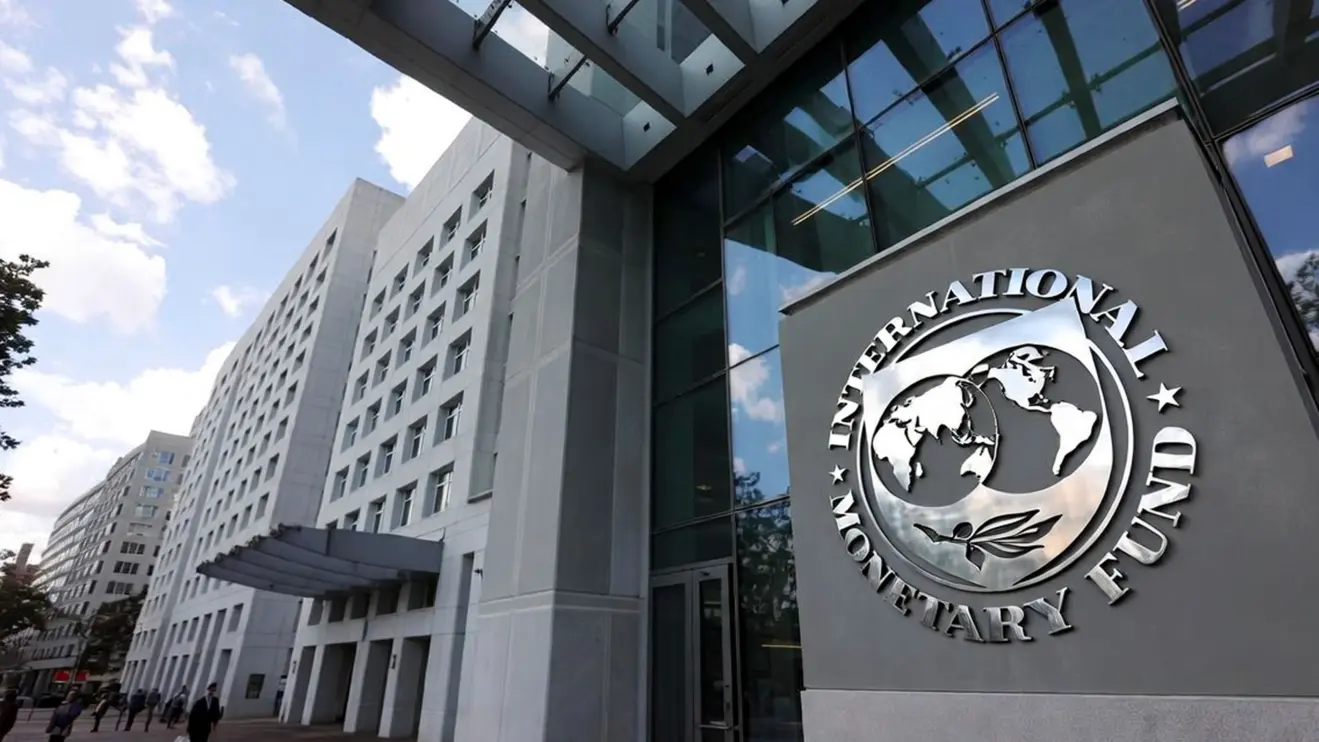
The International Monetary Fund said on Friday that Lebanon must do more to reach agreement on restructuring its banking system and sharing out the losses from its economic collapse, while protecting depositors.
After meetings that began on Tuesday, the IMF said there had been “progress in clarifying the options being considered” by the central bank and the government.
These cover bank restructuring and a draft law on financial regularisation and the return of deposits. But the fund warned that “further work remains necessary” to agree on a strategy that would put Lebanon’s banks back on a sound, lasting footing.
The IMF also wants criteria that would maximise the amounts returned to savers, paid out according to a clear legal order of priority.
Since 2019, Lebanon’s crisis has locked depositors out of their savings, shattered trust in the banks and pushed the economy towards cash. In early 2022 the authorities put the losses at nearly $70 billion, and experts say they have grown since.
Parliament has yet to pass the law that will split those losses between the state, the central bank, commercial banks and depositors. Several politicians and banking representatives are contesting the bill, mainly over how much of the losses each party should bear.
Finance Minister Yassine Jaber said he hoped to reach an agreement with the IMF in the first quarter of next year, and before the end of 2027 at the latest.
In April 2022, Beirut and the IMF reached a staff-level agreement on a $3 billion, four-year support programme, on condition that Lebanon pass financial reforms. Lebanon has since sped up those reforms. Last year, parliament passed laws reforming banking secrecy and restructuring the banks.