Israel
Israel coalition talks: Liberman’s U-turn opens path
The Yisrael Beytenu leader says he is ready to compromise, even on military service for yeshiva students, but still rules out any deal with Arab parties.

Intel has suspended plans to expand a semiconductor factory in Israel, a project that was expected to attract an additional investment of $15 billion. The decision comes amid the ongoing conflict in Gaza, although Intel has not explicitly linked the halt to the war.
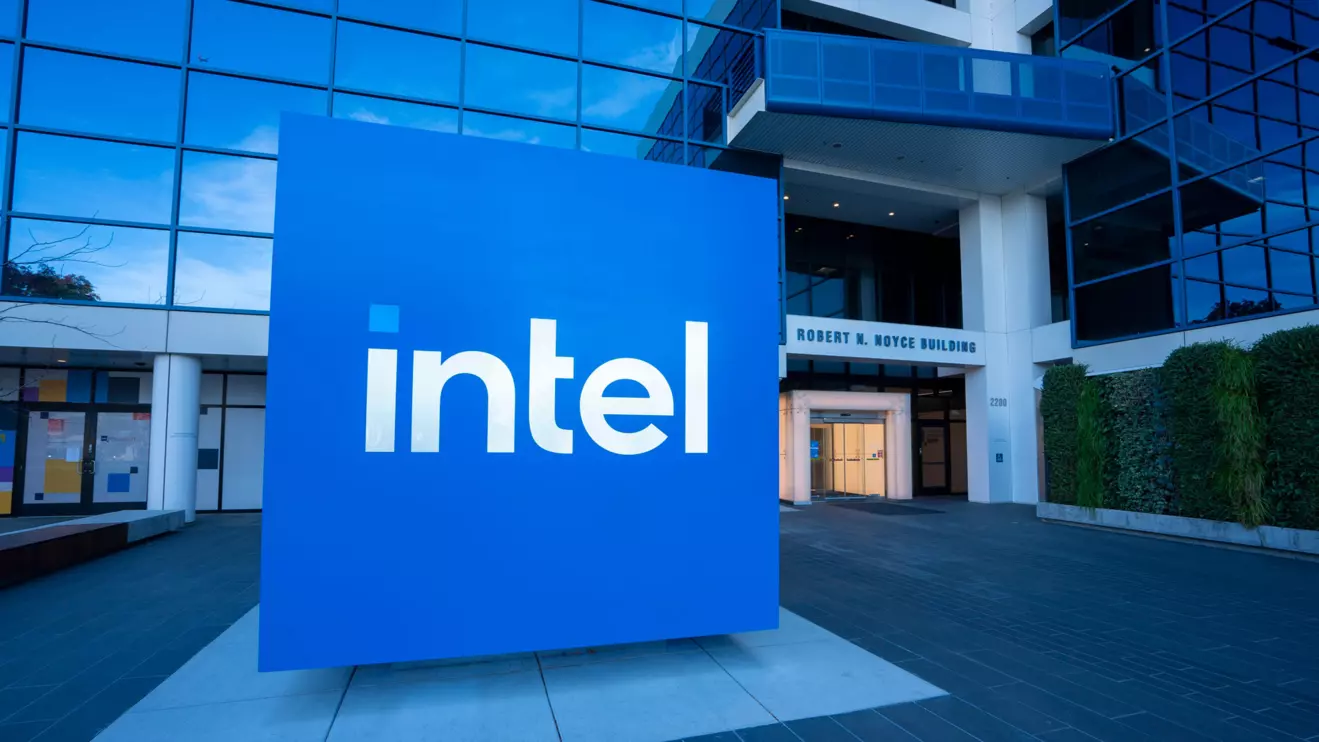
Israel is the third-largest country for Intel in terms of asset size © Mena Today
Intel has suspended plans to expand a semiconductor factory in Israel, a project that was expected to attract an additional investment of $15 billion. The decision comes amid the ongoing conflict in Gaza, although Intel has not explicitly linked the halt to the war.
In late December, Intel announced its intention to expand the Kiryat Gat facility in southern Israel. This expansion was to be an addition to a factory first announced in early 2019 at a location where Intel already has operations.
Intel has been operating in Israel for fifty years, with a significant research center in Haifa. During the 2010s, Intel became the largest employer in Israel’s technology sector.
In 2017, the company acquired the Israeli startup Mobileye, specializing in autonomous driving and driver assistance technologies, for $15.3 billion. In October 2022, Intel took Mobileye public on the New York Stock Exchange but retained control of the company.
Israel is the third-largest country for Intel in terms of asset size, following the United States and Ireland, according to the company’s annual report. Intel's operations in Israel have been crucial to its global semiconductor and technology strategy.
The Yisrael Beytenu leader says he is ready to compromise, even on military service for yeshiva students, but still rules out any deal with Arab parties.
Israel’s flag carrier grew third-quarter revenue 18% to a record $1.27 billion. But fuel costs, a stronger shekel and the return of foreign competitors are starting to weigh on its margins.
Benjamin Netanyahu's position in the post-election battle to stay on as Israel's prime minister weakened on Thursday after an ultra-Orthodox Jewish party withheld support for any nominee and an Arab-led party endorsed his main opponent.

To make this website run properly and to improve your experience, we use cookies. For more detailed information, please check our Cookie Policy.
Necessary cookies enable core functionality. The website cannot function properly without these cookies, and can only be disabled by changing your browser preferences.