Iran
Trump downplays duration of renewed Iran strikes
President Donald Trump said on Wednesday that the renewed U.S. campaign against Iran would not continue for "too long" after the biggest exchange of fire between Tehran and Washington since July.

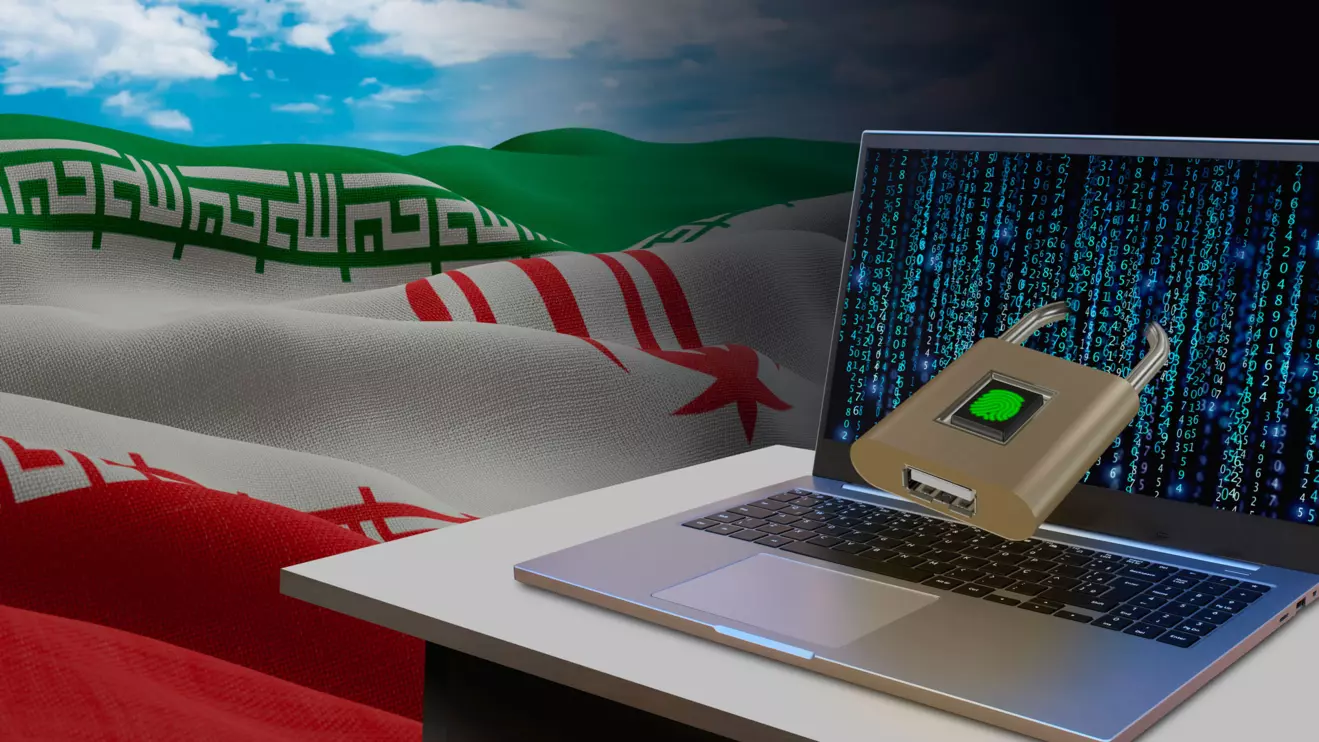
The head of Iran’s state-run telecommunications company said on Saturday that internet access could be restored “today or tomorrow,” according to the Fars News Agency.
The unrest, according to activists and rights groups, resulted in thousands of deaths and marked one of the most severe episodes of repression in recent years.
The head of Iran’s state-run telecommunications company said on Saturday that internet access could be restored “today or tomorrow,” according to the Fars News Agency.
Behzad Akbari, chief executive of the Telecommunications Infrastructure Company, was quoted by Fars as saying the country was close to resolving the disruption. “If God wills it, this problem will be resolved today or tomorrow,” Akbari said.
According to the agency, Iran’s Supreme National Security Council approved the restoration of internet connectivity late on Friday and informed the Ministry of Communications of its decision.
Fars reported that international internet access briefly returned before being cut again after around 30 minutes. The same development was observed by NetBlocks, a global internet monitoring organization that tracks network disruptions worldwide.
Officials from the Ministry of Communications, however, cautioned that the full restoration of service could take longer, citing “technical complexities” involved in bringing the network back online.
Iranian authorities imposed a nationwide internet shutdown on January 8. The move was widely seen as an attempt to limit the flow of information amid a violent crackdown on protests that erupted in late December.
The unrest, according to activists and rights groups, resulted in thousands of deaths and marked one of the most severe episodes of repression in recent years.
The internet blackout has severely disrupted daily life in Iran, affecting businesses, financial transactions, and access to information, while drawing criticism from international organizations and digital rights advocates.
By Raj Mulhar
President Donald Trump said on Wednesday that the renewed U.S. campaign against Iran would not continue for "too long" after the biggest exchange of fire between Tehran and Washington since July.
Top aides to President Donald Trump are pushing to keep the Iran war from escalating before November's midterm elections to staunch Republican electoral losses, four people familiar with the discussions said, a strategy already under strain as the U.S. and Iran exchanged back-and-forth attacks overnight.
Russia has secretly helped Iran develop advanced supersonic cruise missiles, in what the Financial Times describes as one of the most significant known transfers of strategic military technology from Moscow to Tehran, according to an investigation published Wednesday.
To make this website run properly and to improve your experience, we use cookies. For more detailed information, please check our Cookie Policy.
Necessary cookies enable core functionality. The website cannot function properly without these cookies, and can only be disabled by changing your browser preferences.