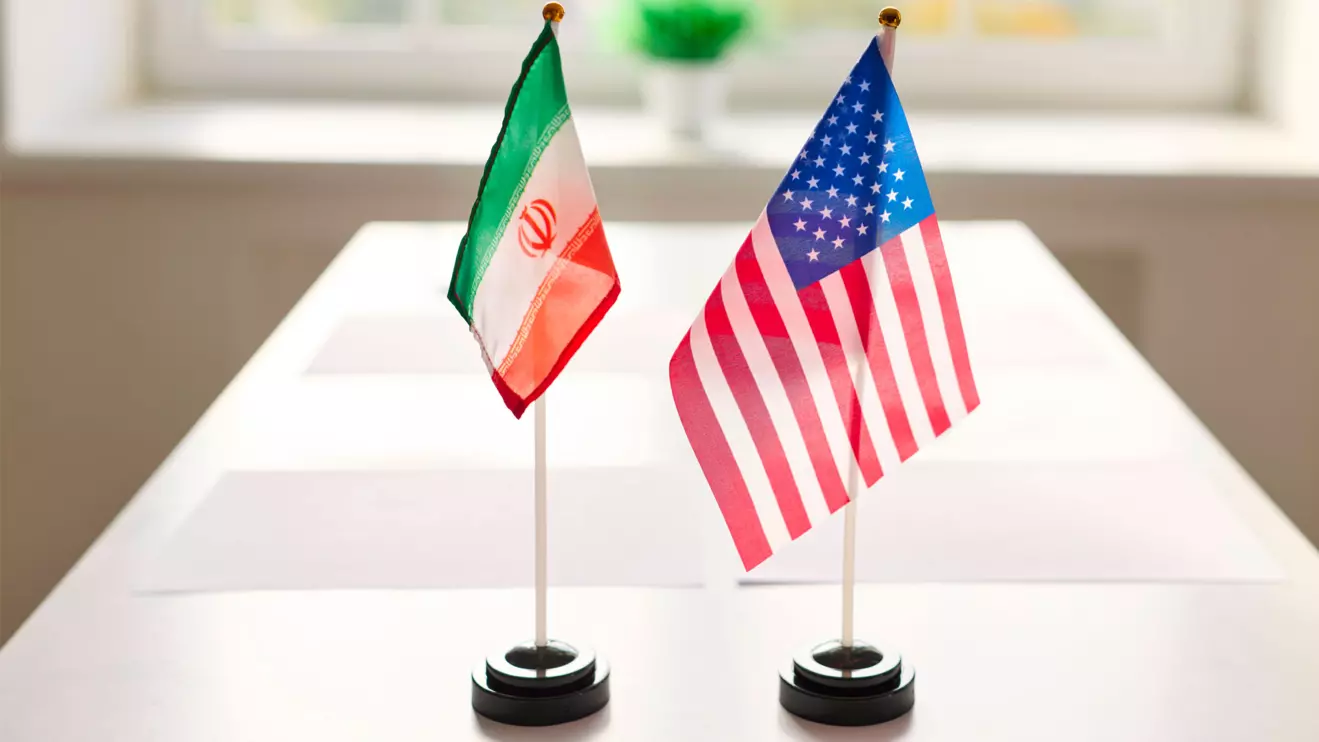
US-Iran indirect negotiations resumed Thursday in Geneva for a third round, described by Tehran as "intense and serious."
A senior Iranian official, speaking anonymously, suggested a framework deal could be within reach , provided Washington agrees to separate nuclear issues from other matters.
A signal Washington would be wise not to take at face value.
The Iranian Trap
Tehran's playbook is well known: isolate the nuclear file to better preserve its other instruments of power, ballistic missiles, proxy networks, regional destabilization. Accepting this separation would amount to offering Iran a partial sanctions exit without demanding any meaningful change in behavior.
That is precisely the trap Washington must avoid.
The United States must hold firm around three non-negotiable, interconnected demands: a complete halt to its military nuclear program, an end to ballistic missile development that threatens the entire Middle East, and a full severance of financial and military support to its proxies : Hezbollah, Hamas, and the Houthis.
These three pillars are inseparable. There can be no horse-trading, no isolated concessions. Iran must accept a comprehensive peace package, or face the consequences.
Should diplomacy fail, the military option stays on the table. Washington's massive military deployment in the Gulf is no coincidence. It is a message.
Tehran must choose: the negotiating table or maximum pressure. It cannot have both.