Iran isn't looking for a deal - it's looking for a delay

1 min Mena Today

Pakistan, a mediator between the U.S. and Iran, on Wednesday requested that U.S. President Donald Trump grant a two-week extension to a deadline he imposed on Iran to end its blockade of Gulf oil.

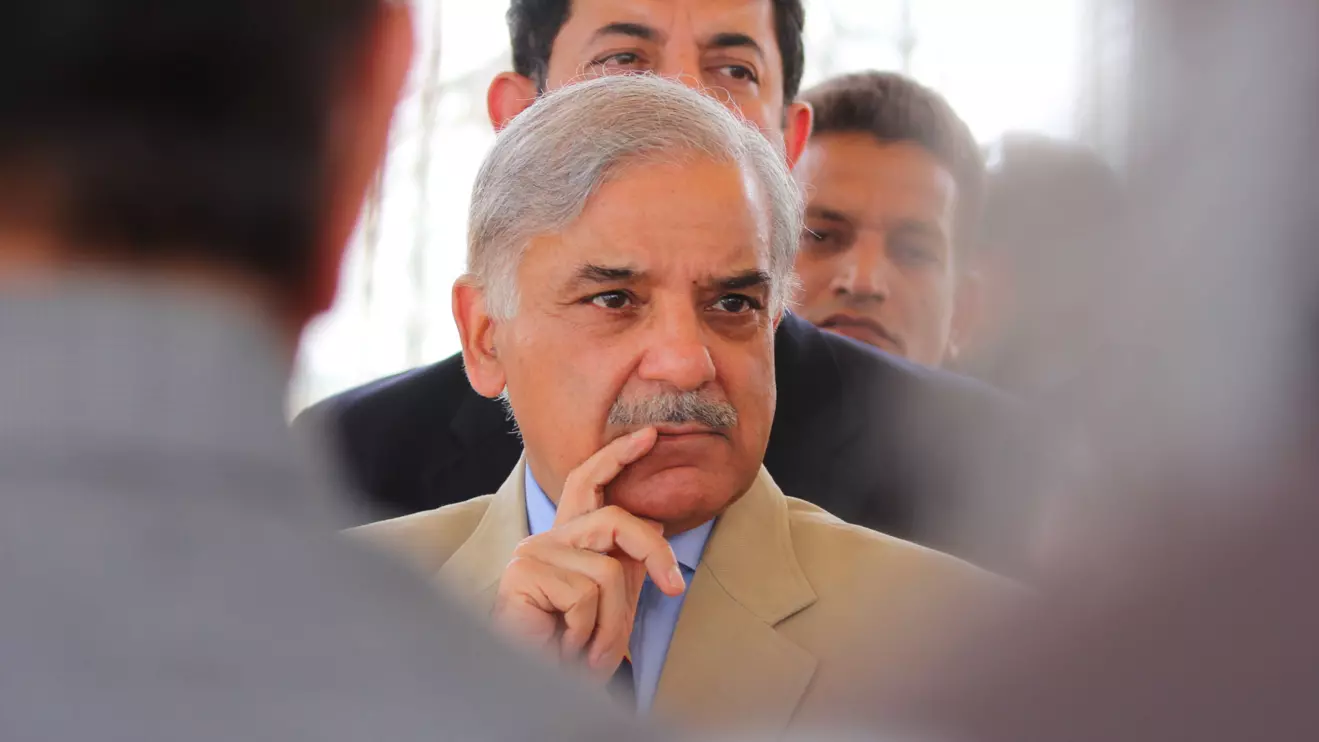
Pakistani Prime Minister Shehbaz Sharif © Mena Today 

Pakistani Prime Minister Shehbaz Sharif © Mena Today 

Pakistan, a mediator between the U.S. and Iran, on Wednesday requested that U.S. President Donald Trump grant a two-week extension to a deadline he imposed on Iran to end its blockade of Gulf oil.

A senior Iranian official told Reuters that Tehran is positively reviewing Pakistan's request for a two-week ceasefire. The White House said Trump is aware of Pakistan's proposal, saying a response will come.

"To allow diplomacy to run its course, I earnestly request President Trump to extend the deadline for two weeks. Pakistan, in all sincerity, requests the Iranian brothers to open Strait of Hormuz for a corresponding period of two weeks as a goodwill gesture," Pakistani Prime Minister Shehbaz Sharif said in a post on X.

Trump has given Iran until 8 p.m. EDT (0000 GMT) in Washington - 3:30 a.m. on Wednesday in Tehran - to end its blockade of Gulf oil or see the U.S. destroy every bridge and power plant in Iran.

Sharif urged "all warring parties" to observe a ceasefire everywhere for two weeks "to allow diplomacy to achieve conclusive termination of war".

He added that diplomatic efforts to settle the war peacefully were "progressing steadily, strongly and powerfully with the potential to lead to substantive results in near future".

Sources told Reuters on Tuesday that talks between the U.S. and Iran were at risk of being derailed following Tehran's attacks on Saudi Arabian industrial facilities.

Pakistan has been the main go-between for proposals shared by Iran and the United States, but there has been no sign of a compromise.

Reporting by Gursimran Kaur

Tags

Related

Iran

Russia’s role in Iran’s growing war machine

Russia has secretly helped Iran develop advanced supersonic cruise missiles, in what the Financial Times describes as one of the most significant known transfers of strategic military technology from Moscow to Tehran, according to an investigation published Wednesday.

Iran

The lull is over: US and Iran strike each other again

The U.S. and Iran found themselves back in a war footing on Wednesday after the most significant exchange in weeks, with Washington threatening even more devastating strikes while Iran protested an attack that it said killed five and wounded dozens of civilians at a wedding.

Syria

Nuclear watchdog: Progress with Syria, stalemate with Iran

The U.N. nuclear watchdog has resolved its outstanding questions from an investigation into secret nuclear activities in Syria under the Assad family's rule but made no progress in Iran, it said on Tuesday in confidential reports seen by Reuters.

Subscribe to our newsletter

Mena banner 4

To make this website run properly and to improve your experience, we use cookies. For more detailed information, please check our Cookie Policy.

  • Necessary cookies enable core functionality. The website cannot function properly without these cookies, and can only be disabled by changing your browser preferences.