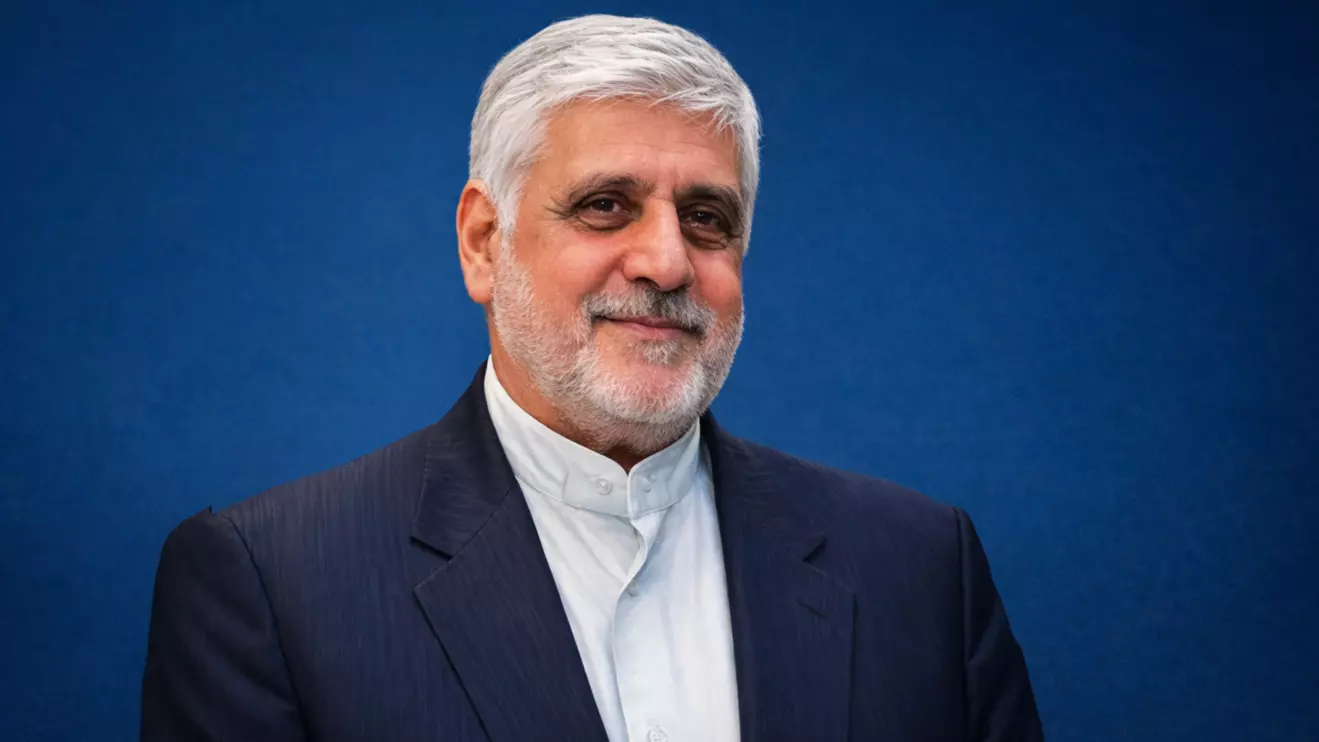
The deadline has passed. Iran's ambassador to Lebanon, Mohammad Reza Shibani, is still there. Declared persona non grata, given until Sunday to leave, he hasn't moved.
The reason? An Iranian diplomatic source told AFP without embarrassment: he "will not leave Lebanon, in accordance with the wishes of Parliament Speaker Nabih Berri and of Hezbollah."
Read that again. A foreign diplomat, legally expelled from a sovereign country, is defying that order because a Lebanese parliamentary speaker and an armed militia told him to stay.
This is not a diplomatic incident. This is an act of contempt.
Lebanon's Foreign Ministry invoked Article 41 of the Vienna Convention, which prohibits diplomats from interfering in the host country's internal affairs, and coordinated the expulsion at the highest levels of government. Prime Minister Nawaf Salam, President Joseph Aoun, and Foreign Minister Youssef Raggi were aligned.
What followed was grimly familiar. Hezbollah called the expulsion "a national sin." Amal ministers boycotted the cabinet. Berri pressured Aoun to reverse course. And Tehran's man simply stayed put.
This is the system Iran and Hezbollah have built over decades: a Lebanese state that issues sovereign decision, and then watches them evaporate the moment the proxy network objects. Government by veto. Sovereignty as theatre.
Lebanon cannot be both a sovereign state and Iran's annex. The Salam government must not blink. Reversing this decision would confirm, before the entire world, that Lebanon's laws are suggestions, enforced only when Hezbollah permits.
Over a million Lebanese have been displaced since March 2. More than a thousand are dead. And Berri and Hezbollah's first reflex is to protect the Iranian ambassador.
Let that sink in.
Lebanon has drawn a line. Now it must hold it.