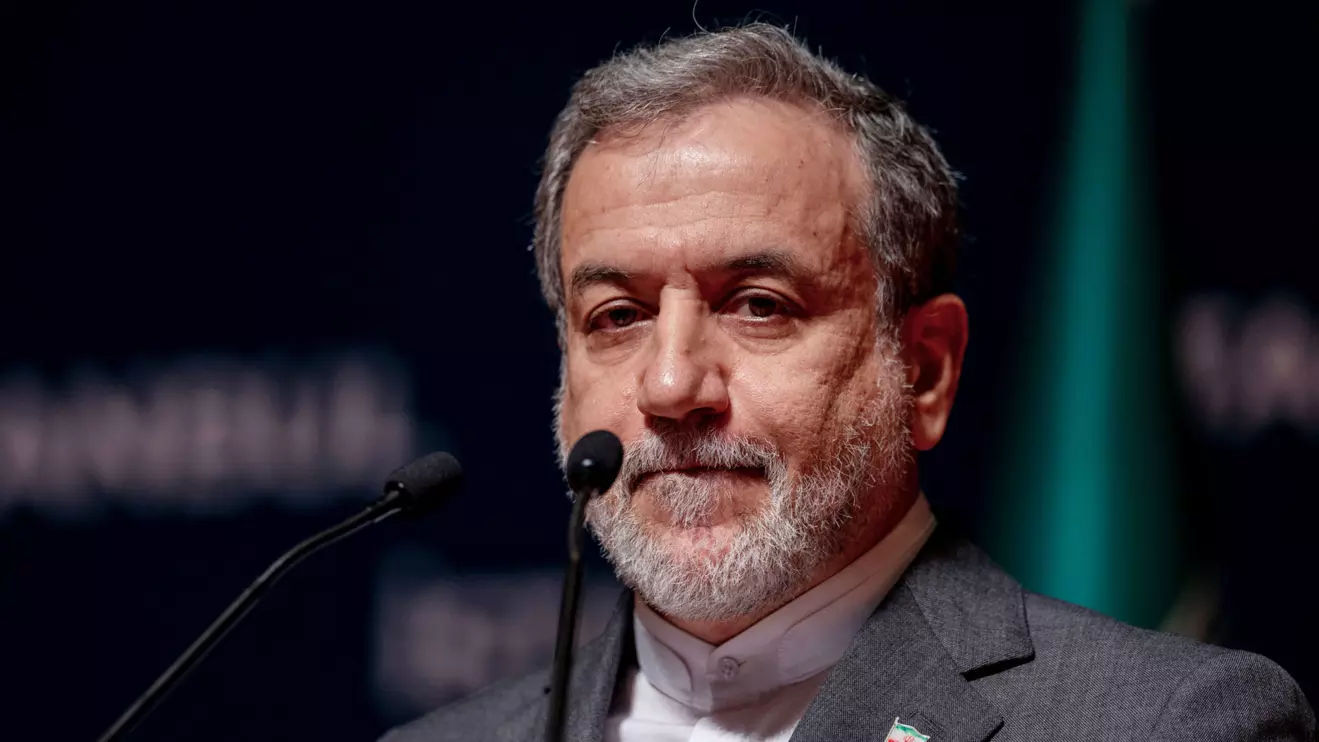
Iran's Foreign Minister Abbas Araqchi told Al Jazeera Wednesday that Tehran's position against nuclear weapons development would "not significantly change », while cautioning that new Supreme Leader Mojtaba Khamenei had yet to publicly express his own view on the matter.
The late Ali Khamenei had issued a fatwa in the early 2000s declaring nuclear weapons development forbidden under Islamic law, a position Western governments have long questioned given Iran's continued uranium enrichment activities.
On the Strait of Hormuz, through which a fifth of global oil and liquefied gas normally flows, Araqchi signaled that Iran had no intention of returning to the pre-war status quo. Iran's parliament speaker had already declared the strait's situation would "never return to pre-war conditions."
Araqchi proposed that Gulf-bordering countries draft a new protocol for the strait after the war, one aligned with Iranian and regional interests. Tehran shut the waterway at the start of the conflict, declaring it would "not allow a single litre of oil" to reach the US, Israel or their partners.
Civilian Casualties? Blame Washington
Asked about Iranian strikes hitting residential and commercial areas across the Gulf, Araqchi was unapologetic: "Wherever there were American forces, they were targeted. It is possible some of these places were near urban areas."
He acknowledged Gulf nations were "upset" by the strikes, but placed the blame "entirely with the US" for starting the war on February 28.
Araqchi said an end to the war was only conceivable if hostilities ceased permanently across the entire region and Iran received compensation for damages incurred, conditions that, given the current military situation, appear far from achievable.
In short: Iran wants peace on its own terms, a new Hormuz under its control and no accountability for striking civilian areas. The gap between Tehran and reality has rarely been wider.
By Nidar ElBeh and Reuters