Iran
Signs of progress emerge in US-Iran war talks
Iran, the United States and mediator Pakistan all said on Saturday that progress had been made in talks on ending almost three months of war.
Iran's Supreme Leader Ayatollah Ali Khamenei said on Friday that Tehran does not need proxies in the region and that Yemen's Houthis, who are among the groups in the Middle East that Iran is aligned with, act on their own motivations.
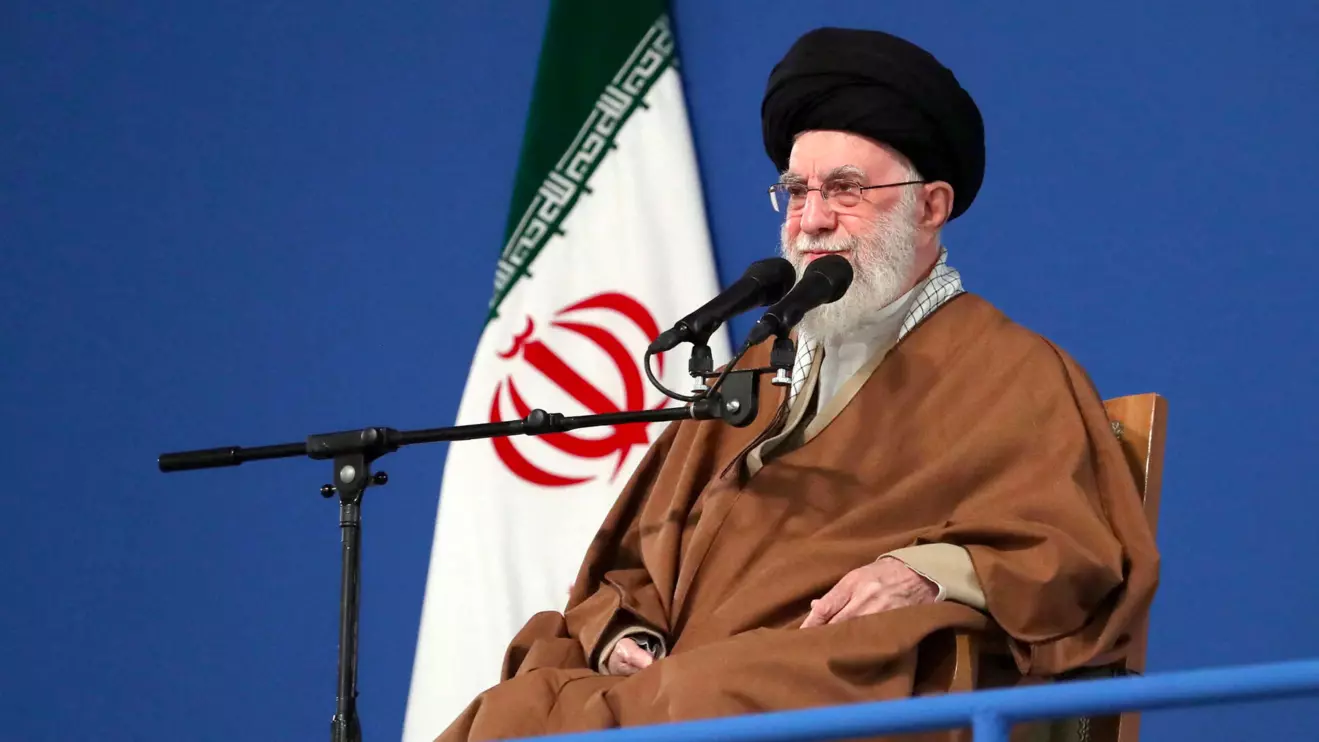
Iran's Supreme Leader Ayatollah Ali Khamenei speaks during a meeting in Tehran, Iran, March 21, 2025. Office of the Iranian Supreme Leader/WANA (West Asia News Agency)/Handout via Reuters
Iran's Supreme Leader Ayatollah Ali Khamenei said on Friday that Tehran does not need proxies in the region and that Yemen's Houthis, who are among the groups in the Middle East that Iran is aligned with, act on their own motivations.
U.S. President Donald Trump said on Monday he would hold Iran responsible for any attacks carried out by the Houthis, as his administration expanded the biggest U.S. military operation in the Middle East since he returned to the White House.
Over the years, Iran has been aligned with groups across the region that describe themselves as the "Axis of Resistance" to Israel and U.S. influence.
Those groups include Hamas, Lebanon's Hezbollah and various Shi'ite armed groups in Iraq.
Americans, said Khamenei, "make a big mistake and call regional resistance centres Iranian proxies. What does proxy mean?"
"The Yemeni nation has its own motivation and the resistance groups in the region have their own motivations. Iran doesn't need proxies," Khamenei said.
"They issue threats," added Khamenei, but "we have never started a confrontation or conflict with anyone. However, if anyone acts with malice and initiates it, they will receive severe slaps."
Experts on Yemen, where the Houthis expanded control during years of civil war, say the group seems mainly motivated by its domestic concerns and support base.
Dubai Newsroom
Iran, the United States and mediator Pakistan all said on Saturday that progress had been made in talks on ending almost three months of war.
Iran's top negotiator, Parliament Speaker Mohammad Baqer Qalibaf, told Pakistani army chief Asim Munir during talks in Tehran on Saturday that the U.S. was not an honest party in negotiations to end their war and Iran would not compromise on its national rights, state television reported.
There is a "50-50 chance" of a U.S.-Iran peace agreement, the United Arab Emirates' presidential advisor said on Friday, but stressed that any political settlement must address the root causes of instability in the region to avoid future conflict.
To make this website run properly and to improve your experience, we use cookies. For more detailed information, please check our Cookie Policy.
Necessary cookies enable core functionality. The website cannot function properly without these cookies, and can only be disabled by changing your browser preferences.