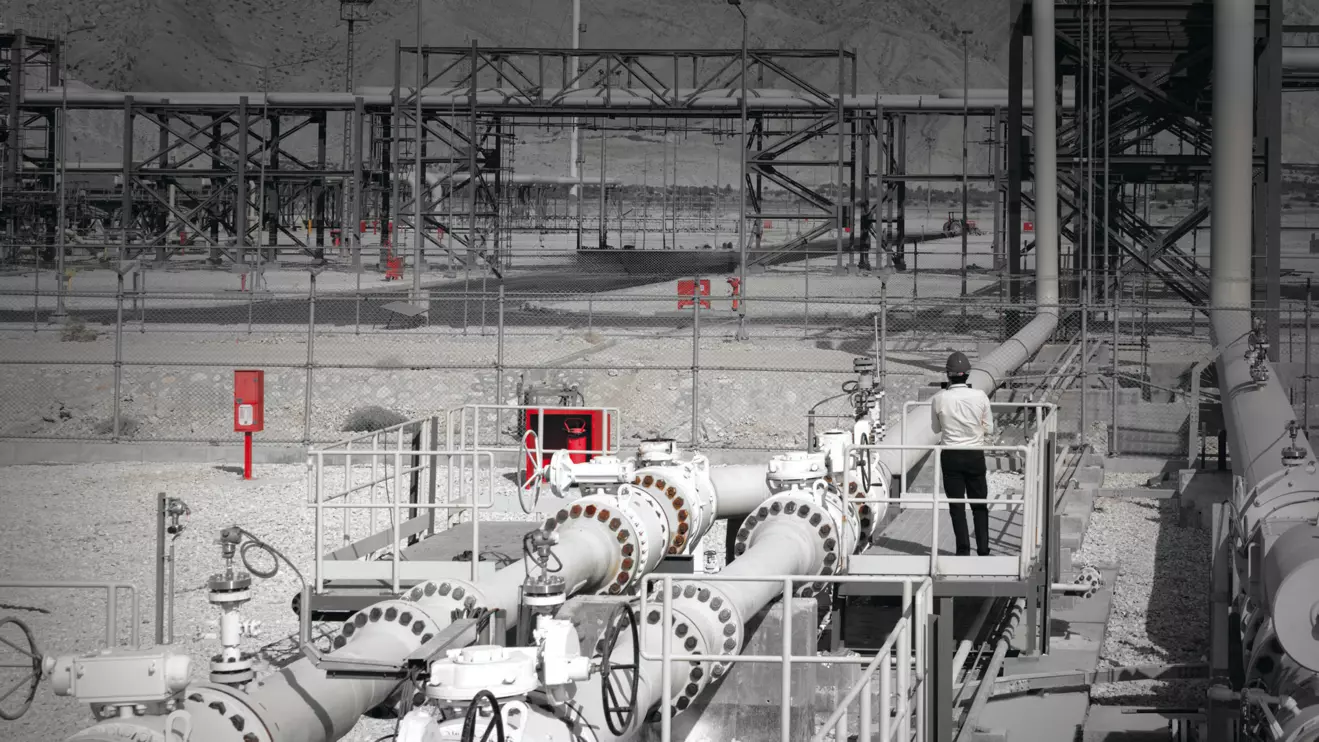
Iran's huge Pars gas field was hit on Wednesday in the first reported strikes on Iranian energy infrastructure in the Gulf during the U.S.-Israeli war, a major escalation that prompted Tehran to warn its neighbours to evacuate their energy installations.
Pars is the Iranian sector of the world's largest natural gas deposit, which Iran shares with Qatar across the Gulf. Iran's Fars news agency reported that gas tanks and parts of a refinery had been hit, workers had been evacuated to a safe location and emergency crews were trying to put out a fire.
The attack was widely reported in Israeli media to have been carried out by Israel with the consent of the United States. The Israeli military did not immediately respond to requests for comment.
Qatar, a close U.S. ally which hosts the largest U.S. airbase in the region, called it an Israeli attack without mentioning any U.S. role. The Qatari foreign ministry spokesperson called it a "dangerous and irresponsible" escalation that put global energy security at risk.
Iran's Revolutionary Guards swiftly told Saudi Arabia, the UAE and Qatar to evacuate several energy facilities.
The U.S. and Israel had previously held back from targeting Iran's energy production facilities in the Gulf, a move that could invite retaliation against other producers and make it harder for global markets to recover from what has already been the biggest ever interruption to energy supplies.
But nearly three weeks into the war, there has been no sign of de-escalation.
By Parisa Hafezi, Rami Ayyub and Maya Gebeily