When Iran's Team Melli takes to the field in Los Angeles on Monday against New Zealand, the game will be about far more than football. It will be a confrontation between a theocratic regime desperate to control its image abroad and the millions of Iranians - at home and in exile - who refuse to let it.
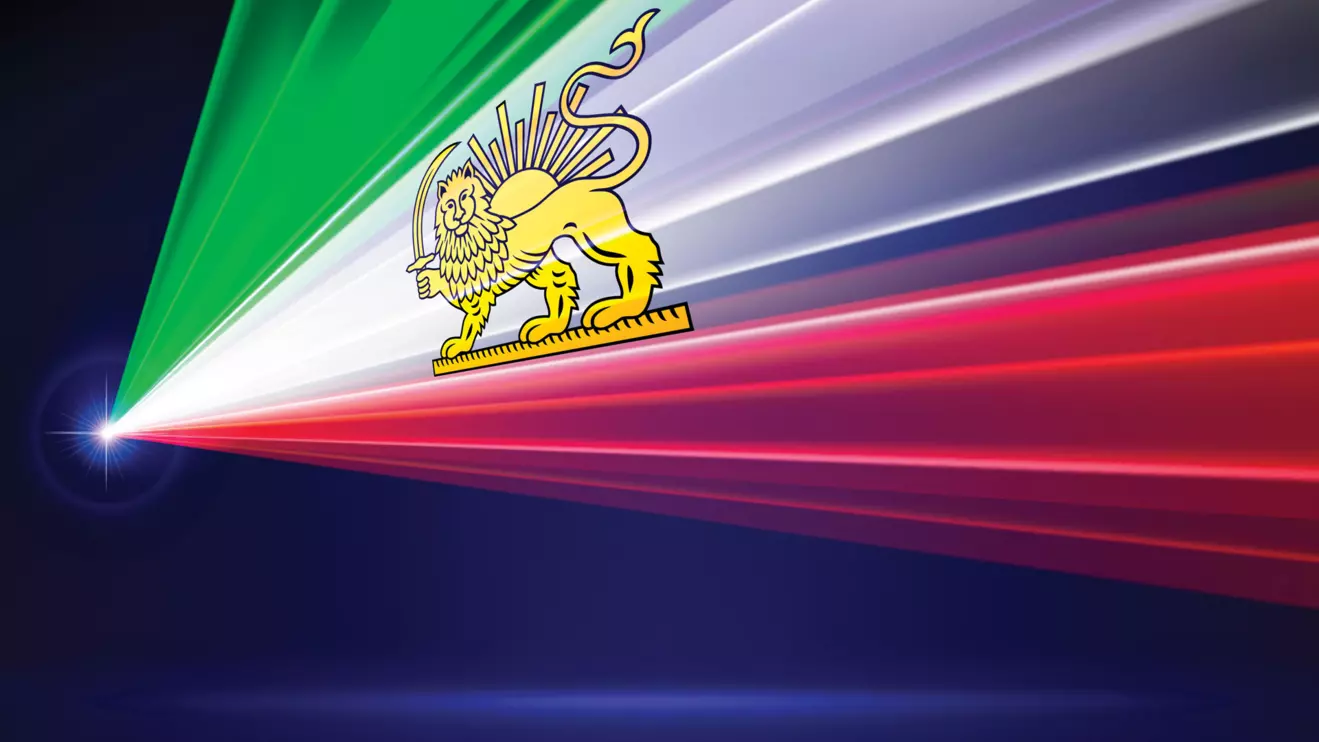
Los Angeles, home to the world's largest Iranian diaspora, sometimes called « Tehrangeles », is not exactly friendly territory for the Islamic Republic. Dozens of organisations are planning protests outside the stadium, waving the pre-revolutionary flag: green, white and red, topped with the lion and sun symbol that the mullahs erased in 1979.
Some opposition supporters holding tickets may enter the stadium, boo the Islamic Republic's anthem and display banners the regime finds intolerable.
Tehran's response? Threats. Iranian Sports Minister Ahmad Donyamali warned this week that Iran would be monitoring "flags and slogans" and implied the match could be stopped if hostile symbols appeared. The Football Federation president Mehdi Taj demanded FIFA ensure only the Islamic Republic's flag would be visible inside the stadium.
This is a regime that cannot even allow a football match to unfold without demanding ideological compliance from the crowd.
A Team Controlled by the Revolutionary Guards
Iran's national team is not merely a football squad. It operates under the influence of the Islamic Revolutionary Guard Corps, the same organisation that has suppressed protests, executed dissidents and helped drag the Middle East into war. When players wear that jersey, they wear the emblem of a theocratic military state, whether they choose to or not.
Many Iranian players are privately sympathetic to the opposition. Some showed solidarity with protesters at the 2022 Qatar World Cup by refusing to sing the national anthem. The regime noticed, and has since tightened its grip.
Fifteen members of Iran's coaching and support staff were denied US visas. The team was forced to relocate their base camp to Tijuana, Mexico, at the last minute. Tehran maintained uncertainty about participation until the very end, partly strategic, partly because the regime is terrified of what its own citizens might say when given a global platform and relative freedom.
The Islamic Republic has spent 46 years silencing Iranians at home. In Los Angeles on Monday, it will discover - not for the first time - that it cannot silence them everywhere.
FIFA's rules prohibit political accessories in stadiums. But enforcement has always been inconsistent. The world will be watching to see whether the governing body of football protects the rights of Iranian dissidents to express themselves, or quietly defers to the demands of a sanguinary theocracy that has no business dictating what flags free people may wave.