Diplomacy
Trump's Middle East vision is bigger than Peace. It is about building the future
President Trump understands something most diplomats refuse to acknowledge: the Middle East cannot remain a museum of old hatred.
The Israeli military announced on Sunday it had intercepted a missile launched from Yemen before it could penetrate Israeli airspace. The attack was later claimed by Iranian-backed Houthi rebels.
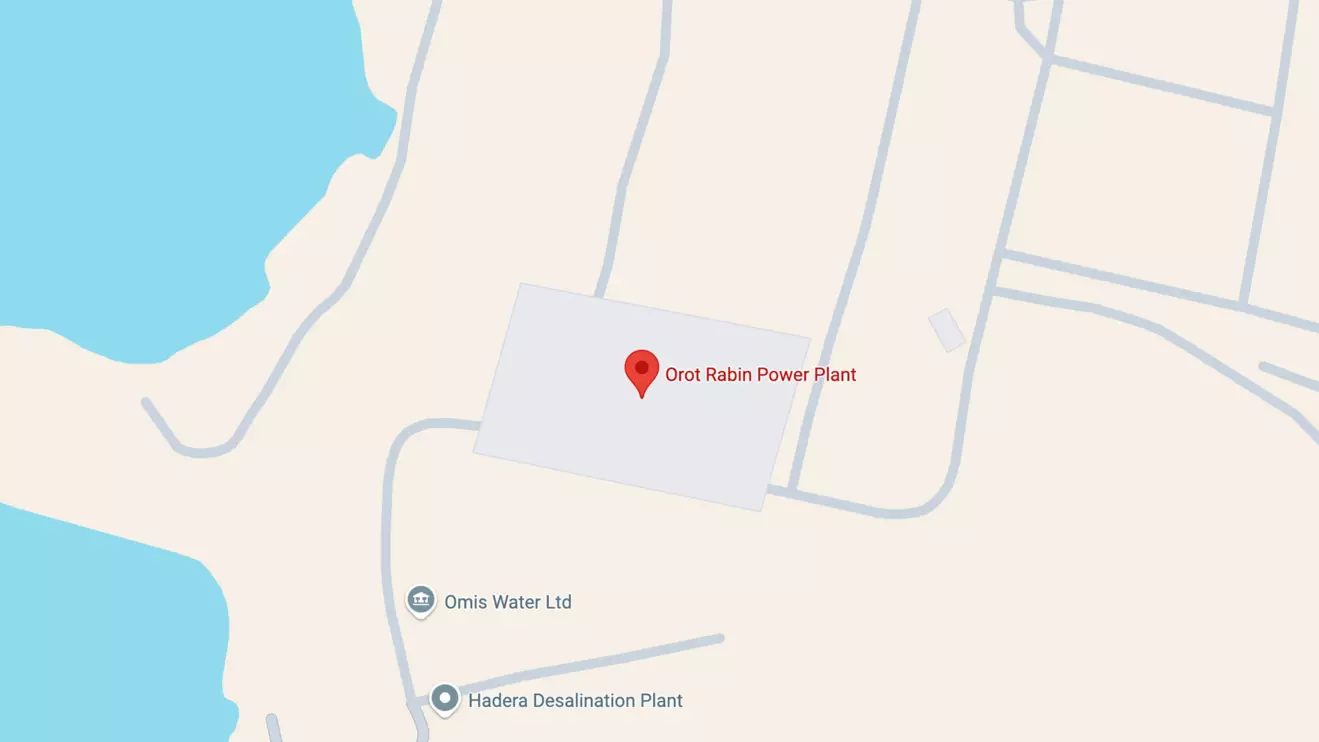
The operation aimed at the Orot Rabin power plant, located south of Haifa © Google
The Israeli military announced on Sunday it had intercepted a missile launched from Yemen before it could penetrate Israeli airspace. The attack was later claimed by Iranian-backed Houthi rebels.
"Following alert sirens that sounded in Talmei Elazar (northern Israel), a missile launched from Yemen was intercepted before entering Israeli territory," the Israeli Defense Forces (IDF) stated in a message on Telegram.
The interception marked a significant escalation, as the missile reportedly targeted critical infrastructure within Israel.
Hours after the incident, Yemeni Houthi rebels took responsibility for the missile launch. According to Yahya Saree, the military spokesperson for the Houthis, the operation aimed at the Orot Rabin power plant, located south of Haifa in northern Israel.
The missile used in the attack was described as a "hypersonic ballistic missile," according to Saree.
The Houthis declared the strike part of their broader military objectives against Israel, accusing the state of actions harmful to Yemen and the region.
The U.S.-led coalition carried out three strikes on Houthi targets east of the Yemeni city of Saada, according to local and Saudi Arabian outlets.
By Antoine Khoury
President Trump understands something most diplomats refuse to acknowledge: the Middle East cannot remain a museum of old hatred.
U.S. President Donald Trump said on Friday he would soon decide on a proposed deal to extend the ceasefire with Iran, though the two countries still appeared to differ on significant issues that have been central to the conflict.
Iran said on Friday it was looking for actions, not words from the United States after sources said President Donald Trump was weighing an initial U.S.-Iranian agreement to extend a ceasefire and open the Strait of Hormuz.
To make this website run properly and to improve your experience, we use cookies. For more detailed information, please check our Cookie Policy.
Necessary cookies enable core functionality. The website cannot function properly without these cookies, and can only be disabled by changing your browser preferences.