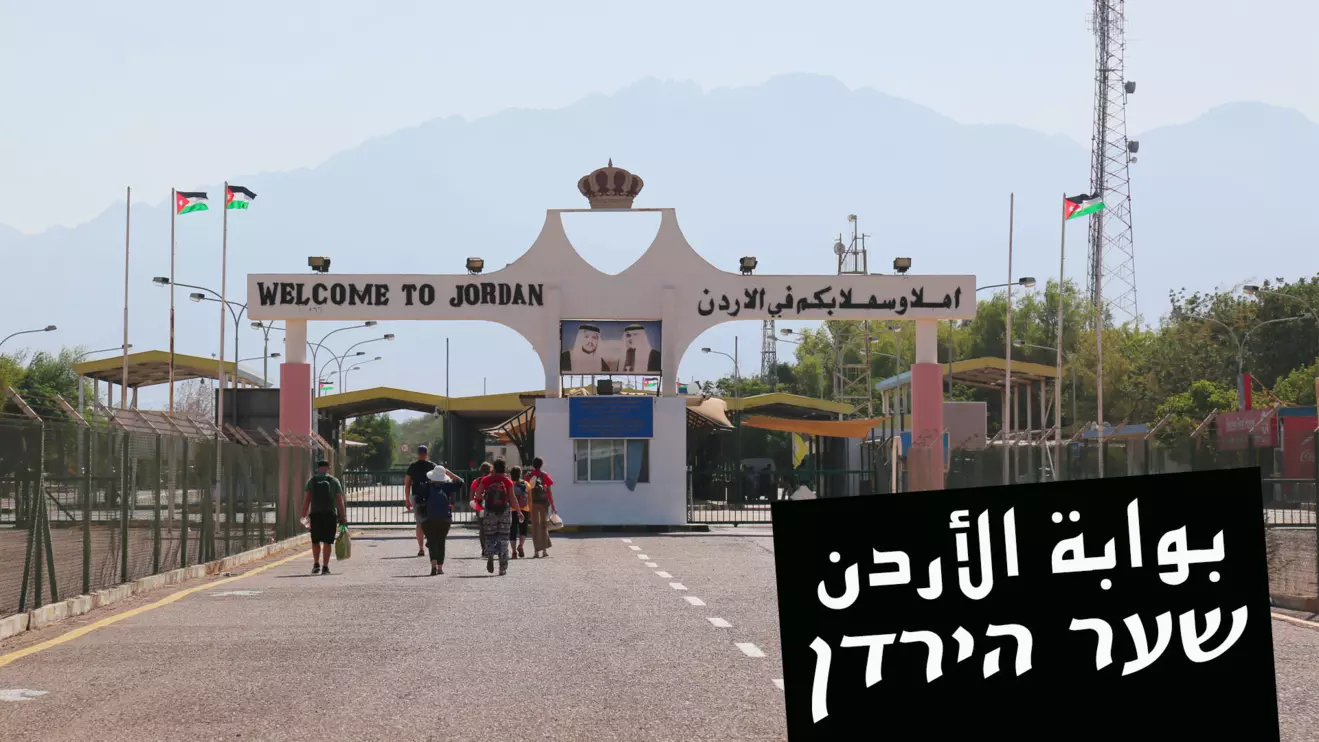
A long-delayed economic initiative between Israel and Jordan is gaining renewed momentum, as both governments move to advance the “Jordan Gateway” project despite ongoing regional tensions.
The development marks a notable instance of cooperation during wartime conditions, with reports indicating discreet backing from the United Arab Emirates.
The project, which envisions an joint industrial zone straddling the border between Israel and Jordan, was originally agreed upon nearly three decades ago.
However, a combination of political sensitivities, shifting regional dynamics, and bureaucratic delays repeatedly stalled its implementation. Now, amid the current conflict, officials appear to be revisiting the initiative with a renewed sense of urgency.
According to emerging reports, the Israeli government is expected to approve the full advancement of the project in the near future.
The move is said to be supported at both governmental and ministerial levels, signaling a coordinated effort to strengthen economic ties with Jordan even as broader geopolitical tensions persist.
Analysts note that the timing of the revival is particularly significant
Behind the scenes, the involvement of the UAE has reportedly played a key role in pushing the project forward. While not formally announced, Emirati support is believed to include diplomatic facilitation and potential investment, reflecting Abu Dhabi’s broader strategy of fostering regional economic cooperation following normalization agreements in recent years.
The “Jordan Gateway” project is designed to create a cross-border industrial hub that would enable joint manufacturing, trade, and employment opportunities for both Israeli and Jordanian stakeholders.
Proponents argue that such economic interdependence could serve as a stabilizing force in an otherwise volatile region, offering tangible benefits to communities on both sides of the border.
Analysts note that the timing of the revival is particularly significant. Advancing a bilateral economic initiative during a period of conflict may indicate a strategic effort to maintain, and even deepen, regional partnerships despite security challenges.
For Jordan, which has long balanced its peace treaty with Israel against domestic and regional pressures, the project could provide economic incentives while reinforcing its diplomatic positioning.
If approved and implemented, the industrial zone would represent one of the most concrete examples of sustained Israel–Jordan cooperation in years. It would also underscore the growing, albeit often quiet, role of Gulf states like the UAE in shaping economic and political dynamics across the Middle East.
While challenges remain, including logistical coordination, political sensitivities, and public perception, the renewed push behind the “Jordan Gateway” suggests that economic pragmatism may be carving out space for collaboration, even in the shadow of conflict.