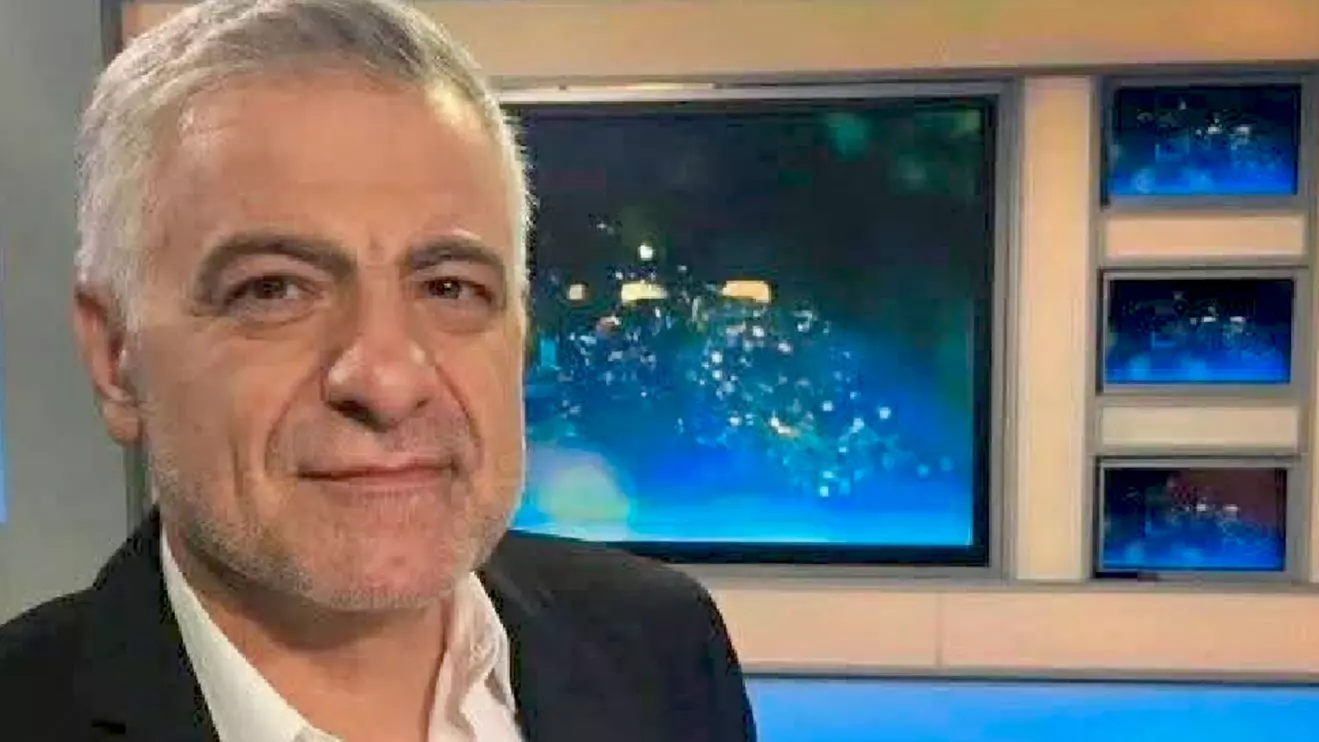
A Israeli airstrike hit the Zokak el-Blat district in central Beirut Wednesday morning, killing Mohammad Cherri, director of political programs at Hezbollah's al-Manar television, along with his wife.
The announcement came from al-Manar itself, the very propaganda machine Cherri helped run.
Mohammad Cherri was not a journalist. He was not a media professional in any meaningful sense of the word. He was an active operative of a designated terrorist organization who used a television studio as his weapon of choice.
Al-Manar is not a television channel. It is Hezbollah's propaganda arm, a sophisticated media operation that also runs radio stations, newspapers and websites, all designed to serve one purpose: advancing the agenda of an Iranian-backed terrorist organization and inciting hatred against Israel and the West.
The channel is banned in numerous countries, including the United States, the European Union, Australia and Canada, precisely because its content crosses the line from journalism into terrorist incitement.
A Media Empire Built for War
Hezbollah understood long before most that information is a weapon. Al-Manar has been broadcasting since 1991, producing content that glorifies suicide bombers, celebrates the killing of Israeli civilians and serves as Tehran's regional megaphone.
Its "political programs" director was not covering the news. He was manufacturing narratives in service of a militia that has killed thousands of civilians across the Middle East.
When a state targets a terrorist organization's command structure, its weapons depots and its military commanders, the world calls it war. When it targets the propaganda infrastructure that recruits, radicalizes and incites, the infrastructure without which the organization cannot function, the world sometimes hesitates.
It should not.
Al-Manar is not press freedom. It is a weapon with a broadcast license.
And on Wednesday morning in Beirut, Israel treated it accordingly.