Iran
Hormuz, missiles and Hezbollah: Why the US-Israel Iran rift is growing
US President Donald Trump has shared with Israel the draft of an agreement set to end the war between the United States and Iran, according to The Guardian.
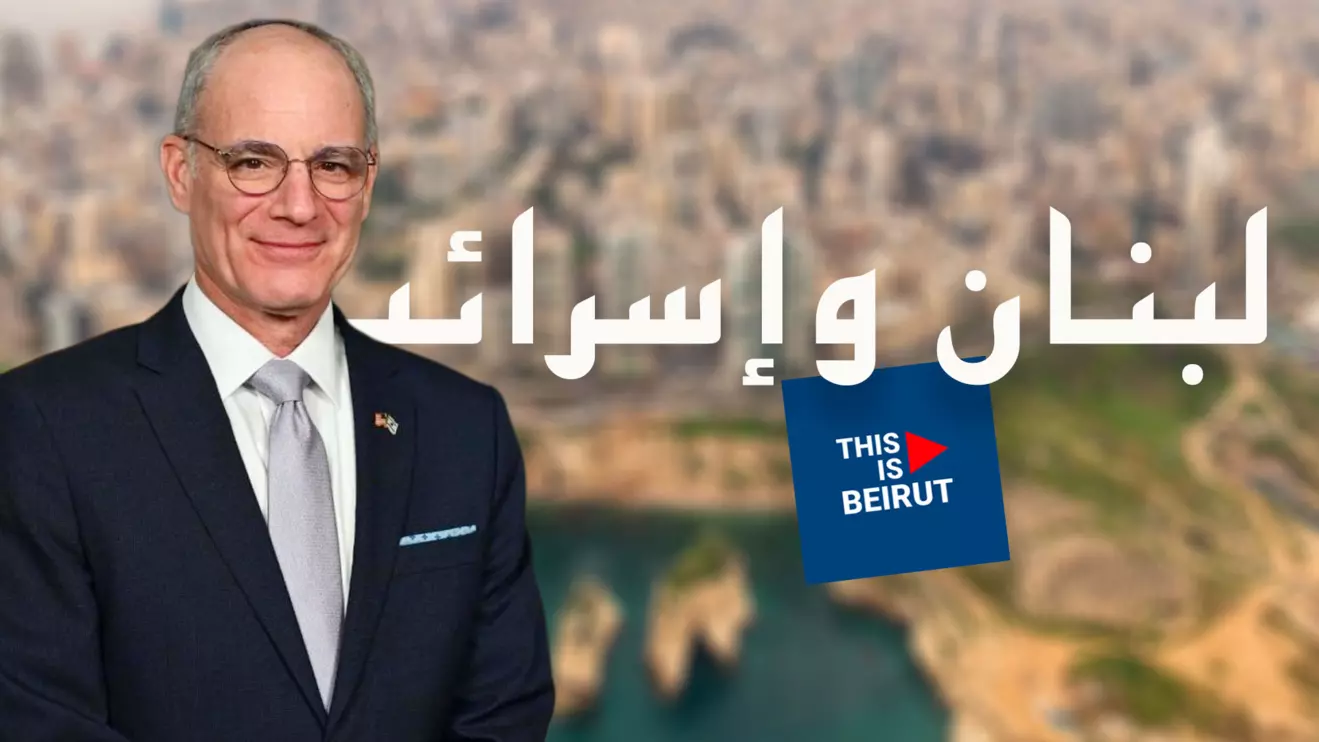
Israeli Ambassador to the United States Yechiel Leiter has outlined Israel's vision for a negotiated resolution with Lebanon, in an interview with This is Beirut.
Yechiel Leiter © Mena Today
Israeli Ambassador to the United States Yechiel Leiter has outlined Israel's vision for a negotiated resolution with Lebanon, in an interview with This is Beirut.
The diplomat described a two-track approach: the first focused on security cooperation aimed at strengthening the Lebanese Armed Forces (LAF) against Hezbollah, the second centered on a parallel civilian track working toward a future peace agreement between the two countries.
Ambassador Leiter was unequivocal on Israel's intentions regarding its presence in Lebanon. Israel has no interest in remaining on Lebanese soil, he stressed, and would withdraw once Hezbollah is dismantled. He emphasized that Israel's military presence is driven solely by the need to protect its civilians from attacks launched by the group.
The statement signals that Israel views the LAF as a credible partner in curbing Hezbollah's influence, a significant diplomatic signal at a time when Lebanon is navigating a delicate political transition and international pressure mounts for a lasting ceasefire framework.
US President Donald Trump has shared with Israel the draft of an agreement set to end the war between the United States and Iran, according to The Guardian.
The United Nations has added Israeli security forces to its annual blacklist of parties suspected of committing sexual violence in conflict zones, a move that has drawn sharp criticism over the organization's deeply entrenched hostility toward the Jewish state.
France has asked for the public prosecutor to investigate the treatment of French nationals who were part of a recent activist flotilla heading for Gaza, French Foreign Minister Jean-Noel Barrot said on Friday.
To make this website run properly and to improve your experience, we use cookies. For more detailed information, please check our Cookie Policy.
Necessary cookies enable core functionality. The website cannot function properly without these cookies, and can only be disabled by changing your browser preferences.