Four days. That’s all that separates Israel from an election billed as the most consequential in its history. And yet, if the polls are right, Israelis may wake up on October 28 to the most familiar result of all: no winner.
Start with the numbers, because in Israel the numbers are the story. Most polls outside right-wing media put Gadi Eisenkot’s Yashar ahead as the largest party with 20 to 23 seats, Likud trailing at 19 to 21. Sounds like a changing of the guard?
Not so fast. Neither bloc comes anywhere near the magic number of 61. One recent survey gave the anti-Netanyahu camp 54 seats against 48 for the prime minister’s allies. Another, from Channel 13, actually put Netanyahu’s bloc one seat ahead.
Translation: the real winners on Tuesday night may not be the big parties at all, but the kingmakers.
Can Netanyahu survive? Never bet against him
Benjamin Netanyahu has been written off more times than anyone can count. He is still here. And he holds a quiet trump card: deadlock itself.
If no coalition emerges, Israel could slide back into the cycle of repeat elections that paralysed the country from 2019 — with Netanyahu staying on as caretaker prime minister.
He also has a louder trump card: Donald Trump, whose full-throated endorsement Netanyahu publicly welcomed. Whether American enthusiasm moves Israeli voters is another matter.
But his weakness is real. His traditional allies, the ultra-Orthodox parties, are now a liability. In a Maariv poll, 83% of voters said they oppose including Haredi parties in the next coalition.
After three years of war and reservists stretched to breaking point, the draft exemption for yeshiva students has become the most explosive domestic issue in the country. Even Likud now insists on ultra-Orthodox service.
The Arab vote: the elephant in the Knesset
Then there is the question every Jewish party pretends to have answered. The Arab parties, which together poll around 14 seats, could decide who governs.
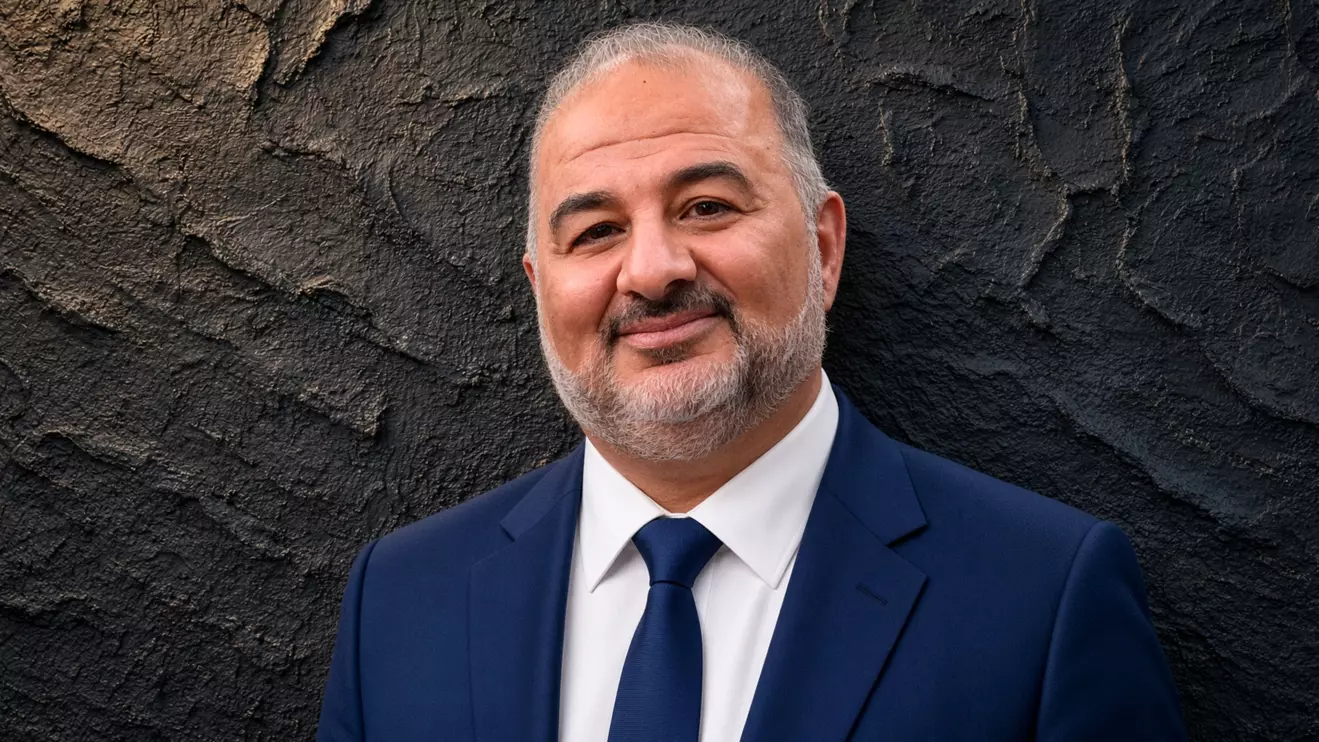
Mansour Abbas and his Ra’am party, kingmakers in 2021, want that role again. Arab voters, mobilised by a reunited Joint List and anger over record levels of violent crime in their communities, may turn out in force.
But the door remains half-closed. Bennett has vowed not to repeat his 2021 alliance with an Arab party. Eisenkot has refused to rule it out explicitly, and Netanyahu is hammering him for it. The irony is striking: one-fifth of Israel’s citizens could hold the keys to power, while most of the political class treats them as untouchable.
Iran, Lebanon, Gaza: whoever wins inherits the fire
Here is the uncomfortable truth for anyone hoping a new face means a new direction. On security, the gap between the main contenders is narrow. Eisenkot, a former army chief, has vowed to destroy Hamas. Bennett has long championed striking Iran itself rather than its proxies.
And the in-tray is brutal. On Iran, the ceasefire that halted this year’s war looks fragile, with reports that Washington and Jerusalem are drafting plans for renewed strikes after the US midterms.
On Lebanon, there is a sliver of hope: Israeli and Lebanese officials met in Florida this week on a framework to disarm Hezbollah and gradually withdraw Israeli troops from the south. On Gaza, the picture is bleak: Israeli intelligence says Hamas has no intention of disarming, and US-led efforts toward a comprehensive deal have stalled.
The next prime minister will face the same question his predecessors dodged: is there a political horizon beyond military victory? Destroying Hamas’s arsenal is one thing. Building something that prevents the next Hamas is quite another.
Complicated stakes, complicated country
Israel votes in a democracy under strain, a society split over religion and the army, a region on the edge of renewed war. Tuesday’s ballot will not settle these fractures. At best, it will decide who gets to manage them.
Expect exit polls at 10 p.m. Expect drama. And expect weeks of horse-trading before anyone can truly claim victory.
In Israel, the election is only the beginning.