Iran
Trump downplays duration of renewed Iran strikes
President Donald Trump said on Wednesday that the renewed U.S. campaign against Iran would not continue for "too long" after the biggest exchange of fire between Tehran and Washington since July.

Israeli Prime Minister Benjamin Netanyahu is expected to meet U.S. President Donald Trump on Wednesday in Washington, where they will discuss negotiations with Iran, Netanyahu's office said on Saturday.
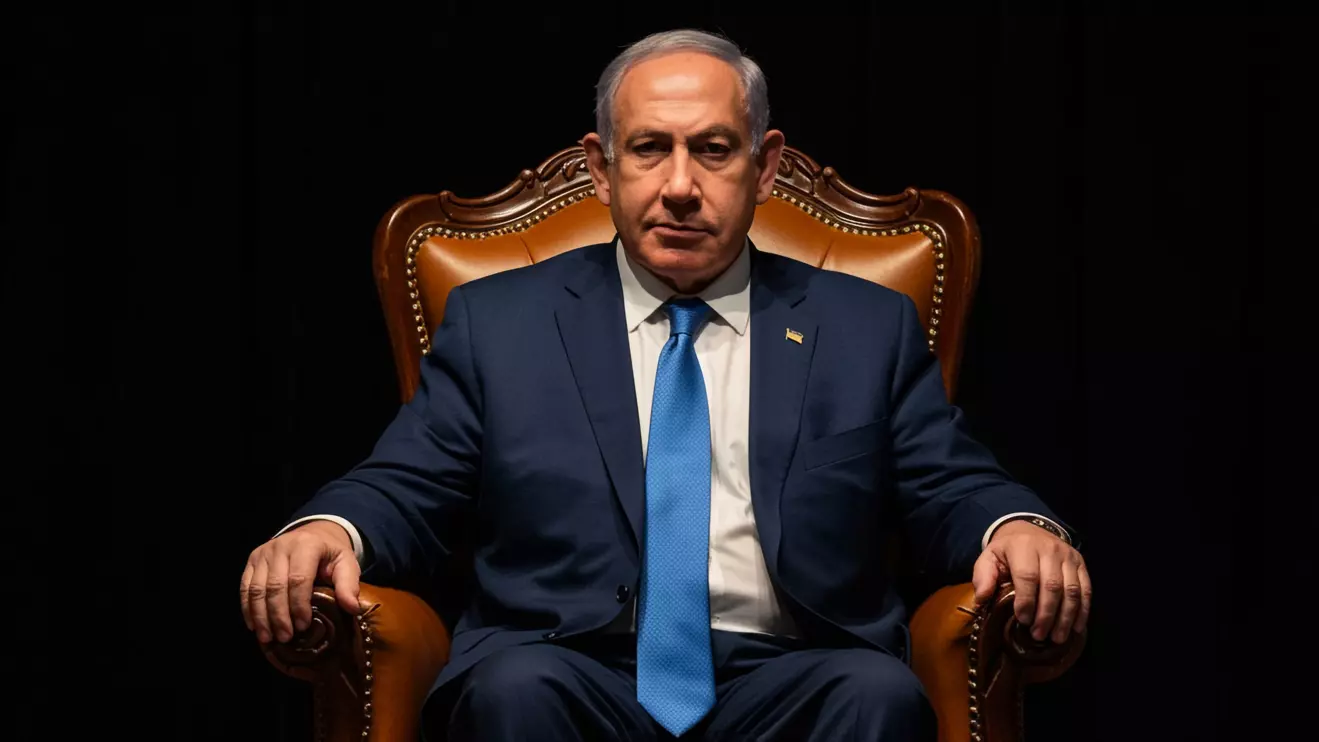
Benjamin Netanyahu © Mena Today
Israeli Prime Minister Benjamin Netanyahu is expected to meet U.S. President Donald Trump on Wednesday in Washington, where they will discuss negotiations with Iran, Netanyahu's office said on Saturday.
Iranian and U.S. officials held indirect nuclear talks in the Omani capital Muscat on Friday. Both sides said more talks were expected to be held again soon.
A regional diplomat briefed by Tehran on the talks told Reuters Iran insisted on its "right to enrich uranium" during the negotiations with the U.S., and that Tehran's missile capabilities were not raised in the discussions.
Iranian officials have ruled out putting Iran's missiles - one of the largest such arsenals in the Middle East - up for discussion, and have said Tehran wants recognition of its right to enrich uranium.
PRIME MINISTER SEEKS MISSILE CURBS
"The Prime Minister believes any negotiations must include limitations on ballistic missiles and a halting of the support for the Iranian axis," Netanyahu's office said in a statement.
Wednesday’s meeting would be the seventh between Netanyahu and Trump since the U.S. president returned to office in January last year.
The pair had been expected to meet on February 18, but the talks were brought forward amid the renewed engagement with Iran. A spokesperson for Netanyahu did not immediately comment on why the date was moved up.
Last June, the U.S. joined an Israeli military campaign against Iran's uranium enrichment and other nuclear installations, marking the most direct American military action ever against the Islamic Republic.
Iran retaliated by launching a missile attack on a U.S. base in Qatar.
The U.S. and Israel have repeatedly warned Iran that they would strike again if Tehran pressed ahead with its enrichment and ballistic missile programmes.
World powers and regional states fear a breakdown in the negotiations would ignite another conflict between the U.S. and Iran that could spill over to the rest of the oil-producing region.
Iran has vowed a harsh response to any strike and has cautioned neighboring Gulf Arab countries that host U.S. bases that they could be in the firing line if they were involved in an attack.
Reporting by Muhammad Al Gebaly, Hatem Maher and Maayan Lubell
President Donald Trump said on Wednesday that the renewed U.S. campaign against Iran would not continue for "too long" after the biggest exchange of fire between Tehran and Washington since July.
Top aides to President Donald Trump are pushing to keep the Iran war from escalating before November's midterm elections to staunch Republican electoral losses, four people familiar with the discussions said, a strategy already under strain as the U.S. and Iran exchanged back-and-forth attacks overnight.
Russia has secretly helped Iran develop advanced supersonic cruise missiles, in what the Financial Times describes as one of the most significant known transfers of strategic military technology from Moscow to Tehran, according to an investigation published Wednesday.
To make this website run properly and to improve your experience, we use cookies. For more detailed information, please check our Cookie Policy.
Necessary cookies enable core functionality. The website cannot function properly without these cookies, and can only be disabled by changing your browser preferences.