Iran
The deal that stops the fighting but solves little
The U.S.-Israeli war on Iran was meant to break the Islamic Republic. Instead, the warring sides are edging towards an interim agreement that would leave Iran battered but not broken.
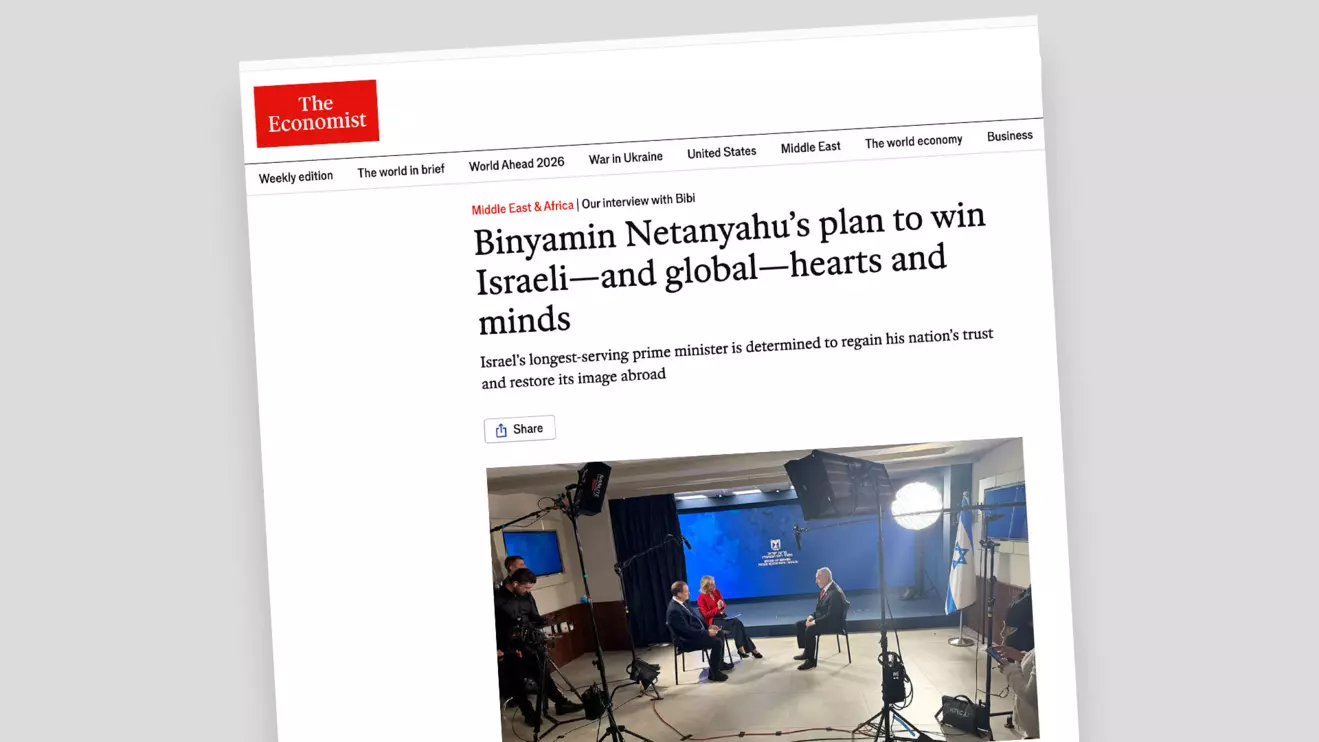
Israeli Prime Minister Benjamin Netanyahu said in an interview published on Friday that he hopes to "taper off" Israeli dependence on American military aid in the next decade.
In December, Netanyahu said Israel would spend 350 billion shekels ($110 billion) on developing an independent arms industry to reduce dependency on other countries © Mena Today
Israeli Prime Minister Benjamin Netanyahu said in an interview published on Friday that he hopes to "taper off" Israeli dependence on American military aid in the next decade.
Netanyahu has said Israel should not be reliant on foreign military aid but has stopped short of declaring a firm timeline for when Israel would be fully independent from the U.S.
"I want to taper off the military within the next 10 years," Netanyahu told the Economist. Asked if that meant a tapering "down to zero," he said, "Yes."
Netanyahu said he told President Donald Trump during a recent visit that Israel "very deeply" appreciates "the military aid that America has given us over the years, but here too we've come of age and we've developed incredible capacities."
In December, Netanyahu said Israel would spend 350 billion shekels ($110 billion) on developing an independent arms industry to reduce dependency on other countries.
In 2016, the U.S. and Israeli governments signed a memorandum of understanding for the 10 years through September 2028 that provides $38 billion in military aid, $33 billion in grants to buy military equipment and $5 billion for missile defence systems.
Israeli defence exports rose 13% last year, with major contracts signed for Israeli defence technology including its advanced multi-layered aerial defence systems.
Reporting by Emily Rose
The U.S.-Israeli war on Iran was meant to break the Islamic Republic. Instead, the warring sides are edging towards an interim agreement that would leave Iran battered but not broken.
The Israeli military said it had intercepted rockets fired by Hezbollah into Israel on Wednesday, while Lebanese security sources said an Israeli strike hit a car near Beirut, testing a U.S.-mediated deal that aims to get the sides to curb attacks.
Donald Trump is nothing if not an optimist. His latest statements on Iran, declaring that Tehran has agreed never to acquire a nuclear weapon and musing about a future meeting with Supreme Leader Mojtaba Khamenei, project a confidence that is either visionary or deeply puzzling, depending on your vantage point.
To make this website run properly and to improve your experience, we use cookies. For more detailed information, please check our Cookie Policy.
Necessary cookies enable core functionality. The website cannot function properly without these cookies, and can only be disabled by changing your browser preferences.