Israel launched a massive surprise assault on Hezbollah across Lebanon on Wednesday, striking what Defence Minister Israel Katz described as "hundreds" of the group's members in command centres throughout the country.
Lebanese health authorities reported more than a hundred killed and wounded since the start of the day.
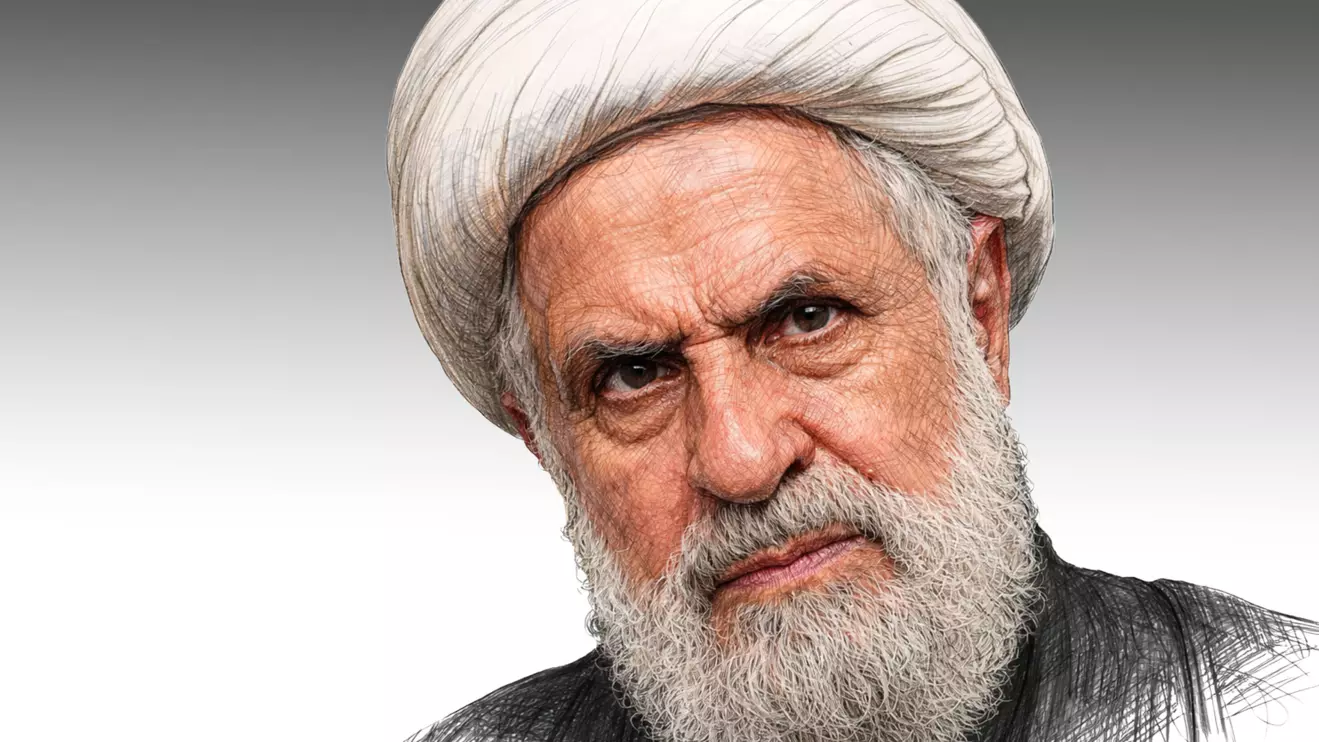
Katz called it "the hardest blow" dealt to the Iran-backed militia since the pager operation of September 2024, the ingenious sabotage attack that triggered the previous escalation. "We had warned Naim Kassem that Hezbollah would pay a heavy price for attacking Israel," he said in a video statement. "Today we fulfilled part of that promise."
He then delivered a pointed personal warning to Hezbollah's secretary general: his turn would come. The message was unmistakable, a direct reference to Israel's campaign of targeted assassinations against Iranian and Hezbollah leadership that has already claimed several senior figures.
The strikes came hours after the United States and Iran announced a two-week ceasefire, ending more than a month of devastating regional war triggered by the Israeli-American strikes on the Islamic Republic in late February.
But Israel made its position on Lebanon unambiguously clear: the truce does not apply here. Rather than standing down, Jerusalem intensified its bombardment across the country.
Iran had pushed hard for Lebanon to be included in the deal. Washington said it was a bilateral arrangement. And Israel, unconstrained by a truce it never agreed to extend to its northern front, answered the question in the most direct way possible, with airstrikes.
For Hezbollah, Wednesday marked a brutal reminder that the ceasefire its patron secured in the Gulf had bought it no protection on its own territory.