Two Israeli banks will halt working with their Palestinian counterparts in the coming months citing risks of associating with possible terrorism financing and money laundering, Israeli officials said, fuelling concerns of a Palestinian economic crisis.
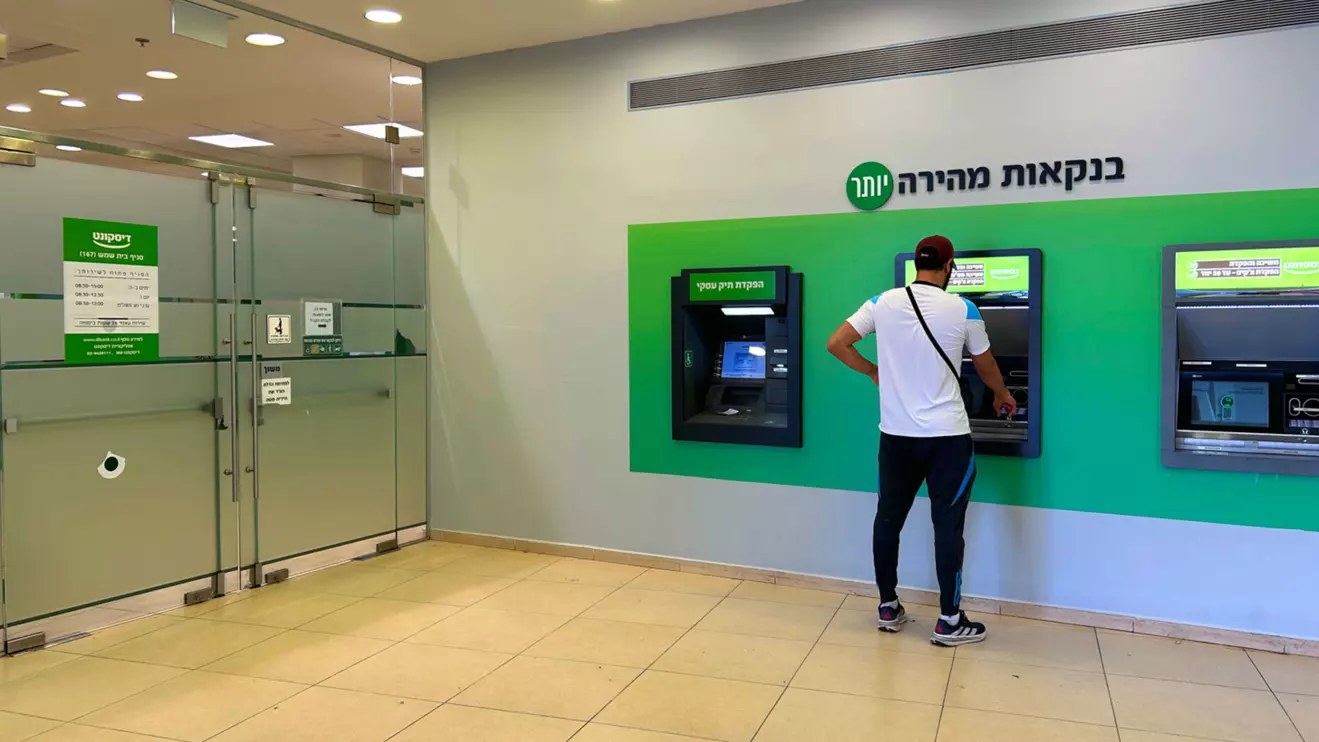
Israeli officials and the head of the Palestinian central bank said that Israel Discount Bank will stop its association with Palestinian banks on September 1 and Bank Hapoalim will follow suit on October 1. Both banks work with several Palestinian lenders.
The move comes against the backdrop of the Gaza war and deepening friction between Israel's right-wing government and the PA. Israeli Finance Minister Bezalel Smotrich, who oversees the waiver mechanism enabling cooperation between Israeli and West Bank lenders, has repeatedly withheld a portion of tax revenues Israel collects on the Palestinian Authority's behalf and publicly questioned the PA's legitimacy, straining an already fragile financial relationship.
Yahya Shunnar, governor of the Palestinian Monetary Authority, warned of regional economic instability should the Israeli banks sever their ties with Palestinian banks.
"These channels are a cornerstone of the infrastructure that underpins our trade, our commerce, our government operations, and the livelihoods of millions. Their disruption would have profound consequences — not only for Palestinians but for Israelis (and) for regional stability," he told diplomats in a meeting in Ramallah on Thursday.
Israel's finance ministry said the correspondent banking relationship is important and discontinuation "could have negative implications for economic stability in the region and could also lead to increased risks of money laundering and terrorist financing due to a shift to unregulated, cash-based alternative financial channels."
Yet, it said, the Palestinian Authority's activities in "financing terrorism through various means have created a severe risk environment for the Israeli banks that maintain financial interfaces with it."
The PMA's Shunnar, however, said that over the past decade the PA had built up its anti-money laundering framework to international standards. The United States and the UK, he said, assessed that the PA's "counter-terrorism financing practices meet or exceed international standards when the concern raised is financial integrity risks."
The U.S. Treasury has previously urged the Israelis to maintain banking ties with the West Bank to avert an economic crisis there that could also affect Israel's security.
Shunnar said Discount and Hapoalim process 51 billion shekels ($16.6 billion) a year in transactions for the PA while 90% of Palestinian trade — such as food, fuel and medicines — passes through Israel. Trade and the supply chain would be at risk of collapse, he added.
Shunnar also noted that billions of shekels in cash remain frozen in Palestinian banks.
WAIVERS
Israeli officials said the issue mainly stems from waivers that the finance minister signs every so often which allow cooperation between Israel's banking system and Palestinian lenders in the West Bank.
The waiver lets Israeli banks process shekel payments for services and salaries tied to the PA without the risk of being charged with money laundering and funding terrorism. Without it, Palestinian banks would be cut off from the Israeli financial system.
The current waiver extends until the end of this year.
Banks, officials said, are not happy with the waiver system, not knowing whether the minister will sign it or not. As such, banks have asked the government for a more permanent solution.
Discount, Israel's fourth-largest bank, said in a statement it has provided banking services on a temporary basis for years while waiting for a permanent solution "which has not been provided to date."
"We recognize the importance of economic stability and believe it is essential to put in place a stable and permanent solution," the bank said. "At the same time, in light of the increasing risks associated with providing these services, and given our responsibility to our depositors and shareholders, we brought our concerns to the attention of the relevant authorities."
Hapoalim, Israel's second-largest bank, said: "The matter is currently under review."
The finance ministry said it was working with both banks to enable "the continuation of correspondent banking activities in a safe and responsible manner, while safeguarding the security and economic interests of Israel."
($1 = 3.0756 shekels)
By Steven Scheer and Ali Sawafta