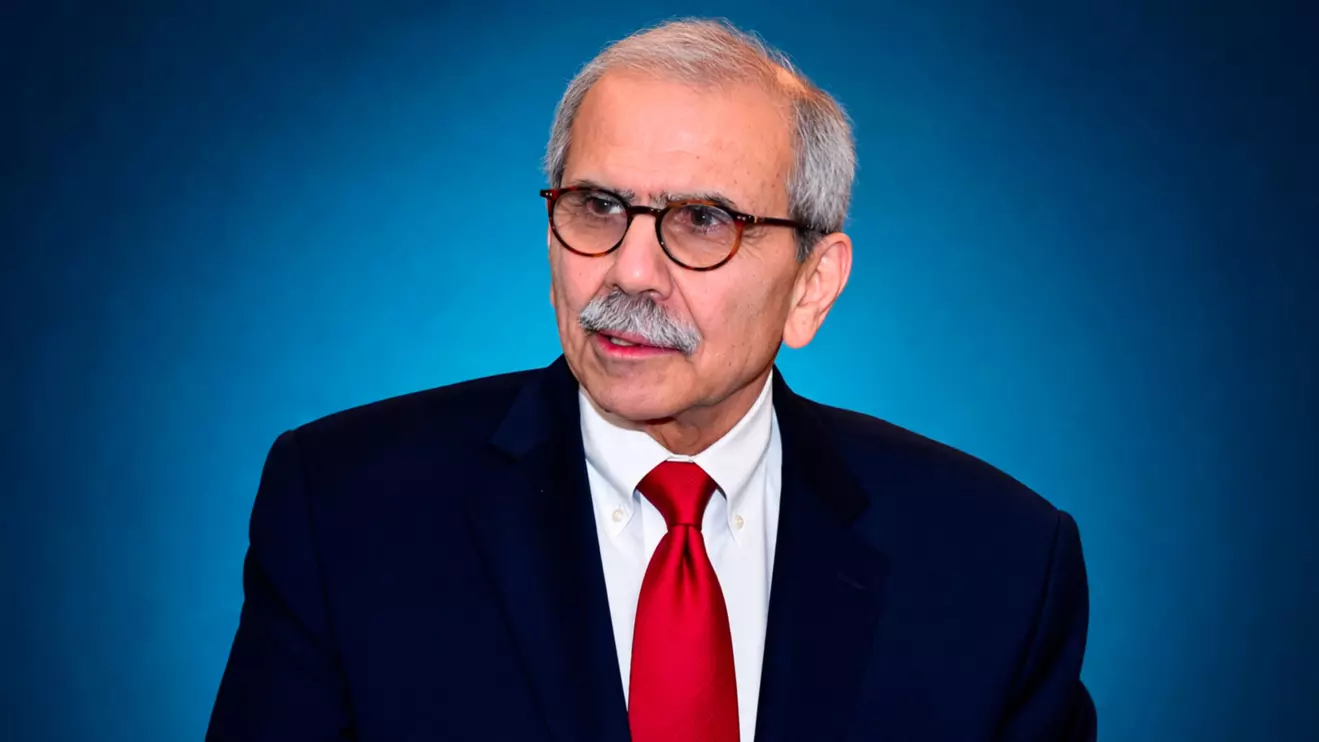
Lebanon's cabinet took a landmark step Thursday, formally tasking the army and security forces with establishing a monopoly on weapons in Beirut, with the explicit goal of declaring the capital a "Hezbollah-free weapons zone."
The decision, announced by Prime Minister Nawaf Salam following the Council of Ministers meeting, marks a direct challenge to Hezbollah's decades-long grip on the Lebanese capital. Salam said he had ordered security forces to intensify their deployment across Beirut and extend state control throughout the city.
The government also sent an unambiguous message to Tehran, echoing statements from both President Joseph Aoun and the Prime Minister: "Nobody negotiates in Lebanon's place, or in its name." The declaration was a pointed rebuke of Iranian pressure to include Lebanon in the US-Iran ceasefire framework, a move Beirut has firmly rejected as an infringement on its sovereignty.
The decision did not pass without resistance. The two Hezbollah ministers in the cabinet, Mohammad Haïdar (Labour) and Rakan Nassereddine (Health), voted against the measure, according to government spokesman Paul Morcos.
Their opposition was expected, but its public nature signals a government willing to put the confrontation on record.
For a Lebanese state that has spent forty years watching Hezbollah operate as a parallel authority within its own borders, Thursday's decision is either the beginning of a historic reckoning, or a declaration that will require considerable force to back up.